
How to Choose the Right Spray Foam Insulation Contractor for Your Commercial Property in Central, LA
Selecting the right spray foam insulation contractor for your commercial property requires evaluating their licensing credentials, experience with commercial projects, equipment quality, and ability to handle your building’s specific needs. The most critical factors include verifying proper insurance coverage, examining past commercial work, and ensuring they use professional-grade spray foam equipment that meets building codes.
A qualified contractor will provide detailed estimates, maintain current certifications, and demonstrate expertise in commercial building requirements. The selection process involves checking references, comparing quotes, and confirming they understand local building regulations and energy efficiency standards for commercial properties.
Essential Contractor Qualifications
Commercial spray foam insulation demands specialized skills beyond residential work. Experts must possess current licensing from the Louisiana State Licensing Board for Experts and maintain active insurance policies covering general liability and workers’ compensation.
Bonus Tip: Request to see current insurance certificates directly from the contractor’s insurance provider rather than copies, as these documents verify active coverage and policy limits.
Professional certifications from organizations like the Spray Polyurethane Foam Alliance (SPFA) indicate ongoing education and adherence to industry standards. These certifications require Experts to stay updated on application techniques, safety protocols, and product innovations.
Experience specifically with commercial projects matters significantly. Commercial buildings present unique challenges including larger surface areas, complex HVAC systems, and stricter building codes compared to residential applications.
Contractor Selection Criteria Comparison
|
Selection Factor |
High-Quality Contractor |
Substandard Contractor |
|
Licensing |
Current state license + specialty certifications |
Expired or missing licenses |
|
Insurance Coverage |
$1M+ general liability, workers’ comp |
Minimal or no insurance |
|
Commercial Experience |
5+ years commercial projects |
Primarily residential work |
|
Equipment Quality |
Professional spray rigs, backup equipment |
Consumer-grade or limited equipment |
|
Estimate Detail |
Itemized with material specs |
Vague pricing, no material details |
|
References |
Recent commercial clients available |
Few or no verifiable references |
|
Warranty Coverage |
Written warranty 10+ years |
Limited or verbal warranty only |
 Equipment and Material Standards
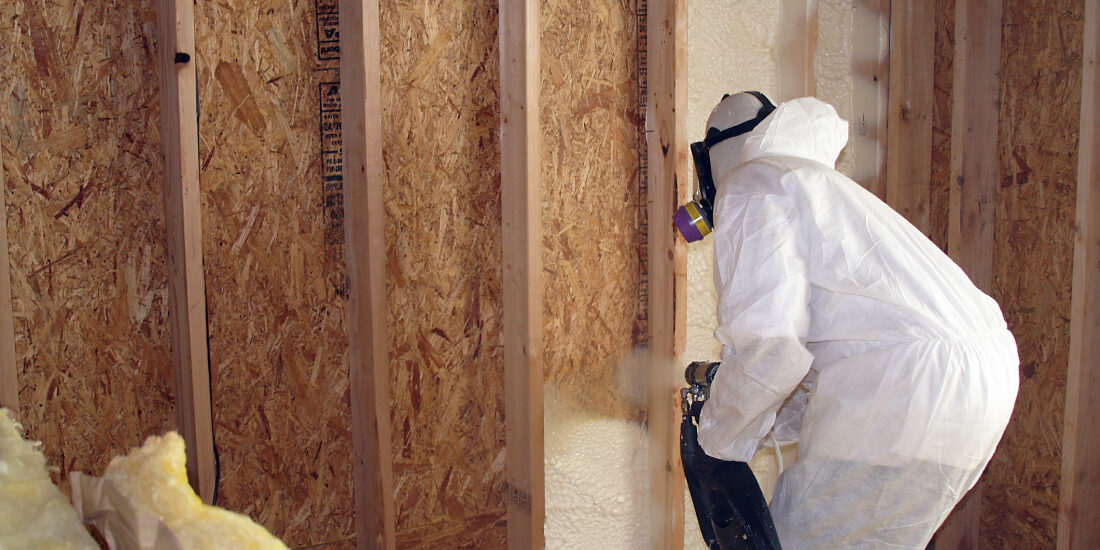
Professional spray foam Experts use commercial-grade equipment designed for large-scale applications. High-pressure spray rigs ensure proper chemical mixing and consistent application thickness across large surfaces.
Equipment quality directly impacts insulation performance. Professional rigs maintain precise temperature controls and pressure ratios essential for proper foam expansion and adhesion. Experts should demonstrate regular equipment maintenance records and backup systems for uninterrupted work.
Material quality varies significantly between manufacturers. Established Experts work with reputable suppliers providing consistent product specifications and technical support. They should explain the specific foam types recommended for your building and why those products suit your application.
Bonus Tip: Ask Experts to provide material data sheets showing R-values, fire ratings, and environmental certifications for proposed products.
Technical Specifications for Commercial Applications
|
Specification Category |
Requirements |
Importance |
|
R-Value per Inch |
6.0-7.0 (closed-cell), 3.5-4.0 (open-cell) |
Energy efficiency compliance |
|
Fire Rating |
Class 1 flame spread index |
Building code requirements |
|
Vapor Permeability |
<1.0 perms (closed-cell) |
Moisture control |
|
Adhesion Strength |
25+ psi tensile strength |
Structural integrity |
|
Application Temperature |
60-85°F ambient, 65-85°F substrate |
Proper curing and performance |
|
Thickness Tolerance |
±10% of specified thickness |
Code compliance verification |
Project Planning and Scheduling
Commercial spray foam projects require detailed planning to minimize business disruption. Qualified Experts address several key areas during project development:
- Timeline Development: Comprehensive project schedules include preparation phases, application windows, and curing periods to establish realistic completion dates
- Weather Monitoring: Professional Experts track temperature and humidity forecasts, adjusting schedules for optimal application conditions and communicating weather-related delays proactively
- Site Preparation: Requirements include protecting existing equipment, covering surfaces, and ensuring adequate ventilation during application while coordinating with other trades and building management to maintain safety standards
Things to Consider Before Making a Decision
Evaluate your building’s specific requirements before contractor selection. Consider building age, existing insulation condition, HVAC system compatibility, and planned renovations that might affect insulation installation.
Budget considerations extend beyond initial installation costs. Factor in long-term energy savings, maintenance requirements, and warranty coverage when comparing proposals. Lower initial bids often indicate compromised materials or abbreviated application processes.
Timeline flexibility matters for occupied commercial buildings. Experts must accommodate business operations while maintaining application quality. Discuss scheduling options including weekend or evening work to minimize operational disruption.
Local building code requirements vary by jurisdiction. Ensure selected Experts understand Central, LA specific requirements and obtain necessary permits before work begins.
Common Questions About Contractor Selection
How long does commercial spray foam insulation take? Installation duration depends on building size and complexity. Typical commercial projects require 2-5 days including preparation and curing time. Experts should provide realistic timelines based on your specific project scope.
What certifications should Experts possess? Look for current Louisiana contractor licenses, SPFA certifications, and manufacturer training credentials. Additional safety certifications like OSHA 30-hour training demonstrate commitment to safe work practices.
How do weather conditions affect installation? Temperature and humidity significantly impact spray foam curing. Professional Experts monitor conditions closely and adjust application parameters or reschedule when necessary to ensure proper installation.
Cost Factors and Budgeting
Commercial spray foam pricing varies based on building size, foam type, application complexity, and access requirements. Closed-cell foam costs more initially but provides higher R-values and vapor barrier properties.
Labor costs reflect contractor expertise and local market conditions. Experienced commercial Experts command higher rates but deliver superior results and reduced long-term maintenance needs.
Bonus Tip: Request itemized quotes separating material and labor costs to better understand pricing structure and compare proposals accurately.
Additional costs may include permits, building preparation, equipment rental for access, and post-installation inspections. Comprehensive quotes include all anticipated expenses to avoid project surprises.
FAQ
Q: How do I verify a contractor’s commercial experience? A: Request references from recent commercial projects similar to yours. Contact these references directly to discuss contractor performance, timeline adherence, and post-installation support.
Q: What warranty should I expect for commercial spray foam insulation? A: Reputable Experts provide written warranties covering material defects and workmanship for 10-15 years. Warranty terms should specify coverage details and contractor responsibilities for addressing issues.
Q: Can spray foam insulation continue during business operations? A: Depending on building layout and ventilation, installation may proceed with minimal disruption. Discuss operational requirements with Experts to develop appropriate scheduling and safety protocols.
Q: How do I compare quotes from different Experts? A: Compare total project costs including materials, labor, permits, and additional services. Evaluate contractor qualifications, warranty terms, and project timelines alongside pricing.
Q: What happens if spray foam insulation doesn’t meet specifications? A: Quality Experts provide correction procedures and stand behind their work. Ensure contracts specify testing methods, acceptance criteria, and remediation processes for substandard installations.
Ready to Enhance Your Commercial Property’s Energy Efficiency
Selecting the right spray foam insulation contractor protects your investment and ensures optimal building performance. Focus on verified qualifications, commercial experience, and comprehensive project planning when making your decision.
Professional installation delivers long-term energy savings, improved comfort, and reduced maintenance costs. Apply these selection criteria to identify Experts who meet your commercial property’s specific requirements and deliver lasting value.
Contact Polyco Spray Foam for expert commercial insulation services backed by proven experience and professional-grade equipment. Our team specializes in commercial applications and maintains the certifications and insurance coverage your project demands.
Polyco Spray Foam
Phone: (225) 286-3546
Email: [email protected]
Author
With over 6 years of experience in the construction and insulation industry, Christian Wayne Purpera has developed a strong focus on energy efficiency and concrete repair. He founded Polyco alongside his father to provide reliable, high-quality solutions in both spray foam insulation and concrete lifting for residential and commercial clients. Christian specializes in spray foam insulation, concrete lifting and leveling, and helping property and business owners enhance energy performance and safety using modern, cost-effective techniques.
Reviewer
Alexander Davis, with 11 years in spray foam application, provided a review that helped us better address the concerns and goals of companies working in both residential and commercial projects.