
How to Depreciate Improvements on Rental Properties
Upgrading a rental property can come with a hefty price tag, but seasoned landlords understand that these improvements often pay off in the long run. Beyond increasing the property’s market value and appeal, certain upgrades may also open the door to valuable tax advantages that aren’t always obvious at first glance.
Instead of simply viewing improvements as an expense, think of them as a strategic investment. The right enhancements not only attract better tenants but can also be claimed through depreciation, helping you gradually recoup costs and potentially lower your overall taxable income.
In this article, we’ll break down the concept of rental property improvement depreciation. You’ll learn how it works and how you can use it to maximise your return on investment while staying tax-savvy.
Repair or Improvement?
The IRS offers some clarity on this in the 1040 Schedule E, stating that “repairs, in most cases, do not add significant value to the property or extend its life.” However, the line between repairs and improvements can get blurry. Take the example of a property owner looking to replace the siding on his building’s exterior. Can this cost be deducted as a repair, or is it something that needs to be depreciated?
Since replacing the entire siding qualifies as an improvement, it can’t be deducted in full immediately. However, replacing only the damaged or broken pieces would be considered a repair, which could potentially be deducted as an expense instead of being depreciated.
Rental Property Improvements Depreciation
Any work that boosts the property’s value or prolongs its lifespan is typically classified as a “capital expense.” This means these improvements should be treated as long-term assets and depreciated over several years. As a result, you can deduct a small portion of these costs each year, rather than claiming the entire amount upfront.
In general, if you’re adding a new feature or enhancing an existing one, that’s considered an improvement. Some upgrades, like a roof replacement or a kitchen renovation, tend to be more labour-intensive and costly. So, why does the IRS require these types of improvements to be depreciated instead of deducted all at once?
Common Rental Property Improvements
Here are a few common improvements that can help increase the value of your rental property:
- Roof Replacement: Replacing an old or damaged roof does more than just improve the property’s appearance—it helps prevent water damage and mould growth. It also enhances insulation, which can lower heating and cooling costs. This can be a major draw for eco-conscious tenants who are looking to reduce their utility bills.
- HVAC System Upgrade: Upgrading to a modern, energy-efficient HVAC system can lead to significant savings on energy costs. Many tenants are mindful of their carbon footprint, so this upgrade can appeal to them. Additionally, improved air quality and overall comfort from a new HVAC system can justify higher rental rates.
- Room Addition or Extension: Adding extra space, like a new room or an extension, can increase both the property’s square footage and its rental income potential. For example, converting a two-bedroom property into a three-bedroom home could attract families in need of more living space.
- Kitchen Remodel: The kitchen is often the focal point of a home, so a well-done remodel can have a huge impact on attracting tenants. Features like stainless steel appliances, granite countertops, and more efficient storage options can improve both the aesthetics and functionality of the space, making it more appealing to renters.
- Landscaping Improvements: While landscaping improvements like a new sprinkler system or other changes may not extend the life of the building, they can still increase the property’s overall value and curb appeal. However, it’s important to note that the IRS has specific rules around the depreciation of landscaping, with varying expectations on useful life.
How to Begin Depreciating Your Rental Property Improvements
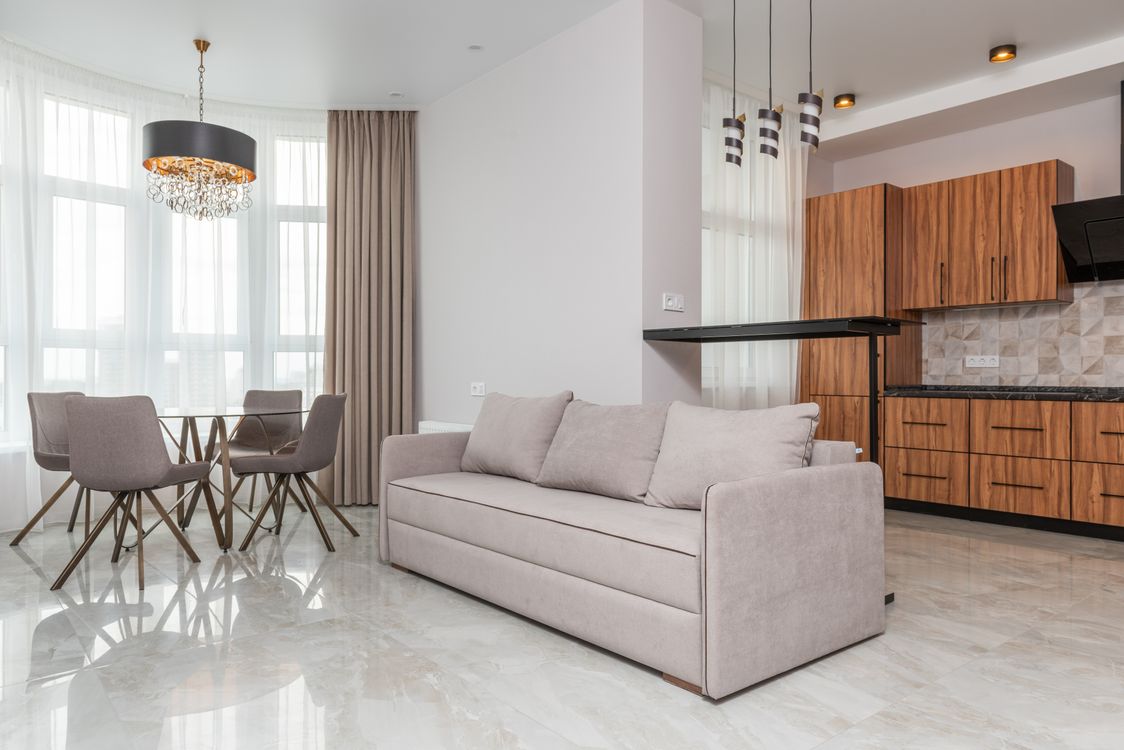
Let’s walk through the steps of how to start depreciating an improvement to your rental property. For this example, we’ll use a kitchen remodel.
1. Determine the Improvement’s Depreciable Basis
The first step is to figure out the depreciable basis of the improvement. This isn’t just the cost of the materials and labour, but also any associated expenses like permits, design fees, or architect costs. Let’s say your kitchen remodel costs a total of $20,000.
2. Choose the Correct Depreciation Method and Recovery Period
For most residential rental properties, the straight-line method is commonly used. This means you’ll deduct the same amount every year for the duration of the recovery period. However, it’s crucial to understand the difference between the method you use and the recovery period.
The recovery period can vary depending on what you’ve improved. For example, the general recovery period for the structural part of a building is 27.5 years. However, many items in a remodel, like kitchen appliances, fences, or landscaping, have shorter useful lives and need a different recovery period.
3. Calculate the Annual Depreciation Expense
Next, you’ll calculate how much you can deduct each year. Using the straight-line method, you should separate items that will depreciate more quickly, a process called cost segregation.
Continuing with our $20,000 kitchen remodel example:
If $5,000 of the cost was for new appliances with a 5-year life expectancy, you can depreciate those at a faster rate. So for the appliances, the annual depreciation would be: $5,000 ÷ 5 = $1,000 per year.
The remaining $15,000, which is for structural improvements with a 27.5-year recovery period, would be depreciated at: $15,000 ÷ 27.5 = $545.45 per year.
In total, for this remodel, your annual depreciation expense would be $1,545.45 ($1,000 for appliances and $545.45 for structural improvements). You can continue to claim this amount for the next five years until the appliances are fully depreciated. After that, only the $545.45 for the structural improvements will be deducted annually, assuming no other changes.
By breaking things down like this, you can speed up your depreciation rate deductions, creating larger tax benefits in the short term, while staying in line with IRS regulations.
4. Reporting Depreciation on IRS Form 4562
To officially claim your depreciation deductions, you’ll need to file IRS Form 4562: Depreciation and Amortisation. On this form, you’ll detail the cost of the improvement, the date it was placed in service, and the annual depreciation amounts. Accurately completing this form is essential for compliance and for maximising the tax benefits available to you.
By properly depreciating your rental property improvements, you can significantly reduce your taxable income and enjoy long-term financial benefits. Whether it’s a kitchen remodel or any other improvement, understanding the depreciation process, from calculating your expenses to reporting them accurately, helps maximise your tax deductions while keeping you compliant with IRS regulations. With careful planning, you can ensure your property remains both profitable and tax-efficient.
Conclusion
By properly depreciating your rental property improvements, you can significantly reduce your taxable income and enjoy long-term financial benefits. Whether it’s a kitchen remodel or any other improvement, understanding the depreciation process, from calculating your expenses to reporting them accurately, helps maximise your tax deductions while keeping you compliant with IRS regulations. With careful planning, you can ensure your property remains both profitable and tax-efficient.