
How to Maintain and Sharpen Blades on an Automatic Chop Saw
Maintaining and polishing blades on an Automatic Chop Saw is essential for achieving correct, green, and secure cuts in woodworking or metalworking tasks. When properly cared for, the saw’s overall performance improves substantially, and the sturdiness of the device is significantly superior. This guide outlines step-via-step techniques to help you hold sharp blades, improve slicing outcomes, and ensure your Automatic Chop Saw keeps to carry out at its pleasant. Understanding and making use of these practices can lessen downtime, lower alternative charges, and maximize general productiveness to your workshop.
1. Understanding the Role of Blade Sharpness in Saw Performance
The sharpness of the blade at once impacts how well the Automatic Chop Saw plays. A dull blade will now not be the most effective gradual down slicing velocity however it also increases stress on the motor and reduces the accuracy of the reduce. Rough, burned, or chipped cuts are clear signs and symptoms that the blade requires attention. Recognizing those early signs and symptoms facilitates save you fabric damage and guarantees the saw operates efficiently. The key to exceptional performance starts with figuring out how the blade impacts the overall system, so normal inspection ought to emerge as part of your recurring.
2. Cleaning the Blade Before Sharpening
Before even thinking about sharpening the blade, it’s important to ease it nicely. Over time, resin, sap, pitch, and metal shavings can accumulate at the enamel and the body of the blade, dulling its aspect and throwing off balance. Using a brush and an industrial blade cleanser or a household degreaser can efficiently put off built-up material. Allowing the blade to soak in the solution for a few minutes will make scrubbing less complicated. Cleaning guarantees that you aren’t mistaking dust for dullness and additionally prepares the floor for effective sprucing.
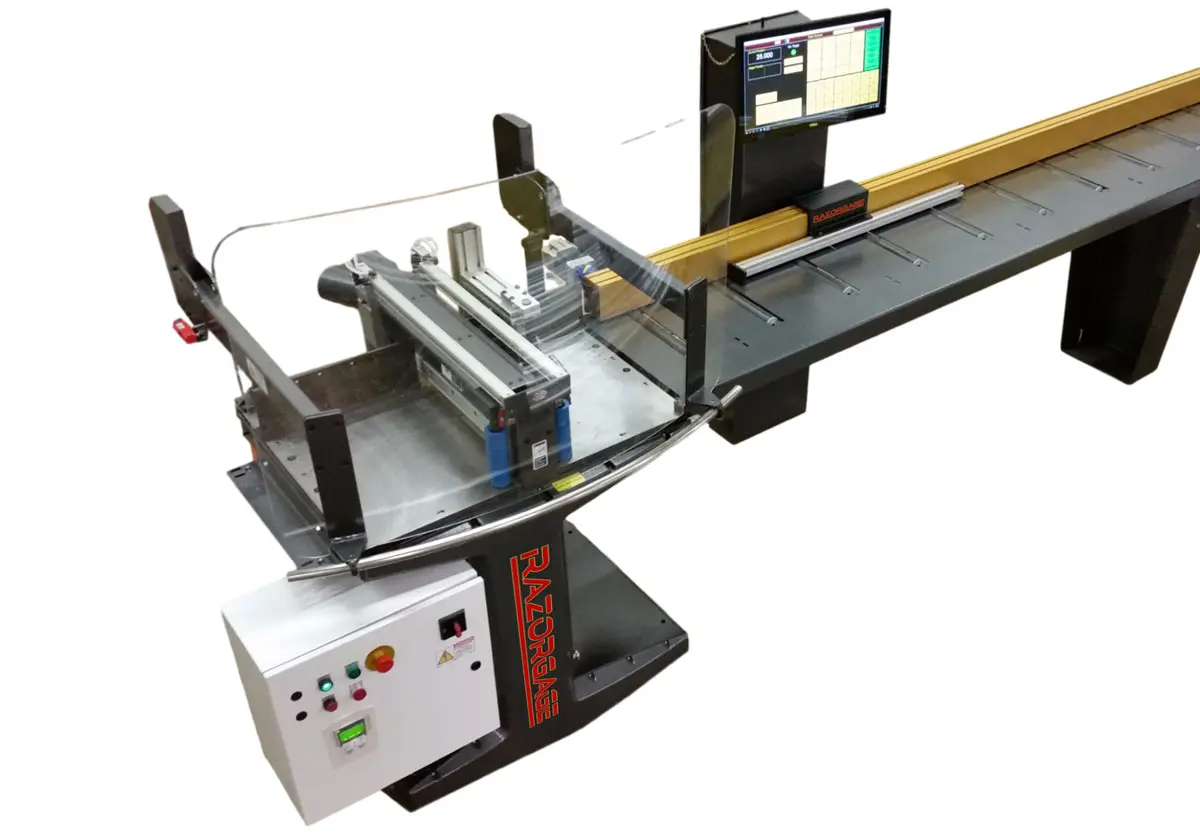
3. Inspecting for Blade Damage or Warping
Once the blade is smooth, inspection is the subsequent important step. Hold the blade up to the mild and look for any apparent signs and symptoms of harm consisting of chipped teeth, cracks inside the metal, or warping. If you observe any deformities or sizable wear, it is time to replace the blade rather than sharpening it. Small imperfections, however, can regularly be corrected through sprucing. Ensuring the blade is structurally sound prevents accidents and preserves the efficiency of your Automatic Chop Saw for the duration of use.
4. Choosing the Right Sharpening Tool for the Blade Type
Different blades require exclusive sprucing gear. Carbide-tipped blades, which can be not unusual in Automatic Chop Saws, frequently require a diamond record or specialized sharpening equipment to repair the brink without causing harm. Steel blades, on the other hand, may be sharpened using a guide document or a bench grinder. Knowing your blade’s fabric and tooth configuration facilitates you choosing the right device, fending off over-sprucing or choppy edges. Investing in nice sharpening equipment or kits tailored in your blade types will improve the final results of your upkeep efforts.
5. Removing the Blade from the Chop Saw Safely
Before any polishing can occur, the blade ought to be removed accurately from the Automatic Chop Saw. Always disconnect the electricity source first to dispose of the risk of accidental start-up. Use an appropriate wrench or locking mechanism designed for your saw model to dispose of the blade cautiously. Handle the blade by using its middle and keep away from touching the enamel immediately to prevent injury. Place it on a flat, stable floor for sprucing. This step, though often rushed, is vital in your safety and guarantees the blade stays undamaged for the duration of elimination.
6. Sharpening the Blade Teeth Evenly and Precisely
When sprucing, the purpose is to keep the unique attitude and shape of each tooth to ensure a uniform cut. Each enamel needs to be filled with the identical number of strokes to keep stability throughout the blade. Skipping teeth or submitting erratically can bring about vibration and uneven cuts. Use a guide or marking gadget to keep tune of your progress across the blade. For carbide-tipped blades, handiest the the front side of every enamel must be filed except you’ve got the tools and capabilities to paint on the suggestions themselves. Patience and precision are the hallmarks of a successful blade polishing.
7. Reinstalling the Blade and Checking Alignment
After sprucing, the blade needs to be reinstalled with just as tons of care as while it became removed. Make certain the blade is established in an appropriate course, with teeth dealing with ahead as indicated. Tighten the locking bolt securely however no longer excessively to avoid adverse the arbor. Once established, rotate the blade manually to test for any wobble or imbalance. Misalignment can result in terrible cuts and increased put on. Ensuring a proper health and alignment protects the blade, the saw, and your materials.
8. Lubricating and Maintaining the Saw Itself
While the blade is the focus, the saw mechanism itself additionally needs renovation. Clean the whole slicing place, consisting of the fence, motor housing, and rails. Dust and particles can interfere with correct cuts and blade movement. Lubricate transferring parts including the pivot arm and slide rails the use of a dry lubricant designed for energy tools. Avoid over-lubricating as extra oil can appeal to dirt. This regular maintenance enhances blade sharpening by preserving the entire gadget working smoothly and lengthening the existence of your Automatic Chop Saw.
9. Monitoring Blade Life and Knowing When to Replace
Even the satisfactory sharpening and maintenance practices can’t make a blade last for all time. It’s crucial to music how often a blade is sharpened and how nicely it plays after each session. If you note that the blade dulls quickly, produces excessive noise, or burns cloth in spite of sharpening, it could be time for a replacement. Keeping a log of blade utilization and polishing records lets you make informed choices about when to put money into new blades. This proactive approach reduces guesswork and maintains your cuts smooth and green.
10. Enhancing Precision with Accessories Like an Automatic Saw Stop
Finally, for those trying to maximize each safety and accuracy, integrating accessories like an Automatic Saw Stop can be relatively beneficial. These gadgets halt the saw blade immediately upon touch with pores and skin or a delegated fabric, providing a primary protection upgrade whilst additionally assisting to lessen cloth waste. An Automatic Saw Stop can also hold reduced consistency with the aid of imparting measured stops, which work hand-in-hand with a pointy blade to ensure ideal consequences. When blended with diligent blade upkeep and normal sprucing, this accessory can dramatically enhance your typical cutting system.
By following those certain steps, you make certain that your Automatic Chop Saw stays in height for years yet to come. Proper blade preservation no longer best improves your undertaking’s outcome but additionally enhances the protection and performance of your whole workspace.