
How to Match Labels to Packaging Materials
Choosing the right label for your packaging might seem straightforward at first glance. But when you start peeling back the layers-literally and figuratively-you realize it’s a bit more complex. The wrong label can peel off, smudge, or simply not stick, ruining the presentation and even the integrity of your product. Matching labels to packaging materials isn’t just about aesthetics; it’s about functionality, durability, and customer experience.
Understanding Your Packaging Material
Before diving into label options, it’s essential to know what kind of packaging you’re working with. Different materials have unique surfaces, textures, and properties that influence how well a label will adhere and perform. Understanding these characteristics not only helps in selecting the right label but also ensures that your branding remains intact throughout the product’s lifecycle.
Common Packaging Materials
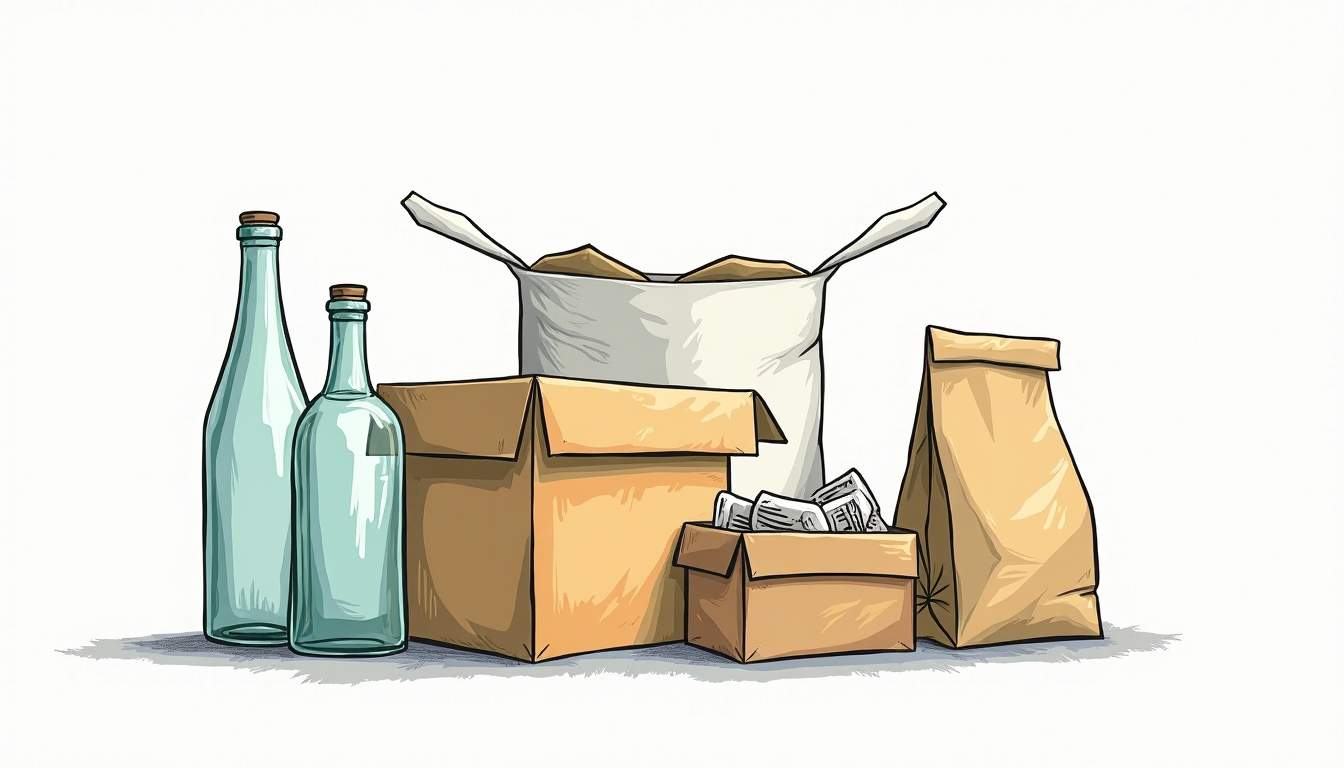
Packaging materials range widely, but some of the most common include glass, plastic, metal, cardboard, and paper. Each presents its own challenges and opportunities for labeling. For instance, glass is often favored for its aesthetic appeal and recyclability, making it a popular choice for premium products like beverages and cosmetics. However, the fragility of glass requires careful consideration in label placement to avoid damage during handling and transportation.
Plastic varies greatly—some plastics are smooth and glossy, while others are matte or textured. This diversity means that labels must be tailored to the specific type of plastic used, as some may require specialized adhesives to combat the effects of temperature fluctuations or moisture. Metals, often used for cans or tins, can be slick and sometimes cold to the touch, which affects label adhesion. Cardboard and paper are porous, absorbing adhesives differently and sometimes requiring special coatings or label types. Additionally, the environmental impact of these materials is becoming increasingly important, with many consumers favoring sustainable packaging options. For high-quality, customized labeling solutions, visit Libra Labels a key supplier and manufacturer in the industry.
Surface Texture and Finish
Surface texture plays a huge role in label selection. Smooth surfaces like glass and some plastics allow labels to stick easily, providing a clean and professional appearance. Rough or textured surfaces, such as corrugated cardboard or embossed packaging, may need stronger adhesives or flexible label materials that can conform to the surface. This adaptability is crucial for ensuring that labels remain intact throughout the supply chain and on store shelves, where they can be exposed to various conditions.
Finish matters, too. Glossy packaging can cause glare, so matte labels might be preferable for readability. Conversely, a glossy label can add a premium feel to matte packaging, enhancing the overall product presentation. The choice between matte and glossy finishes can also influence consumer perception; for example, a high-gloss label may evoke a sense of luxury, while a matte finish can convey a more organic or artisanal vibe. Think about the visual impact as well as the physical compatibility, as these elements work together to create a cohesive brand identity that resonates with your target audience.
Choosing the Right Label Material
Once you understand your packaging, the next step is selecting a label material that complements it. The label material affects durability, print quality, and how the label interacts with the packaging surface.
Paper Labels
Paper labels are versatile and cost-effective. They work well on cardboard boxes and some plastic surfaces, especially if the packaging isn’t exposed to moisture or extreme conditions. However, paper labels can tear easily and may not hold up well in wet environments.
For products like food boxes or shipping cartons, paper labels are often the go-to choice. They’re also ideal when you want a natural or rustic look. But if your packaging is glossy or non-porous, paper labels might not adhere well without a strong adhesive. Additionally, paper labels can be printed with vibrant colors and intricate designs, making them a favorite for brands looking to make a visual impact. The ability to customize paper labels with various finishes, such as matte or gloss, allows for further enhancement of the product’s aesthetic appeal.
Film Labels
Film labels, made from materials like polypropylene, polyester, or vinyl, are more durable and resistant to moisture, chemicals, and tearing. They’re excellent for plastic bottles, metal cans, or any packaging exposed to harsh conditions.
These labels often have a shiny finish, but matte film options are available. Film labels can conform to curved or irregular surfaces better than paper, making them a popular choice for bottles and jars. Their resilience also makes them suitable for products that require refrigeration or exposure to outdoor elements. Moreover, film labels can be printed with high-resolution graphics, allowing for detailed imagery and vibrant colors that stand out on the shelf, enhancing brand recognition and consumer appeal.
Specialty Labels
Sometimes, standard paper or film labels won’t cut it. Specialty labels include materials like foil, textured paper, or synthetic blends designed for specific effects or durability.
Foil labels add a metallic shine and are often used for luxury products or to highlight branding. Textured labels can add tactile interest, but they may require special adhesives. Synthetic blends combine the best of both worlds—durability and print quality. These specialty labels can also be designed to withstand extreme temperatures or exposure to oils and solvents, making them ideal for products in the automotive or chemical industries. Furthermore, the unique properties of specialty labels allow brands to create a memorable unboxing experience, which can enhance customer satisfaction and loyalty. By choosing the right label material, businesses can effectively communicate their brand story while ensuring the integrity and appeal of their products.
Adhesive Types and Their Importance
The adhesive on a label is just as critical as the label material itself. It determines how well the label sticks and how it behaves over time.
Permanent Adhesives
Permanent adhesives are designed to stick firmly and last for the life of the product. They’re ideal for products that shouldn’t lose their label, like pharmaceuticals or electronics. However, they can be difficult to remove and might damage the packaging if peeled off.
Removable Adhesives
Removable adhesives allow labels to be peeled off cleanly without leaving residue. These are great for promotional stickers, price tags, or reusable containers. Matching removable labels to packaging requires ensuring the adhesive isn’t too strong for the surface, which could cause tearing.
Specialty Adhesives
There are adhesives designed for specific challenges-cold temperatures, oily surfaces, or freezer conditions. For example, freezer-grade adhesives remain sticky even when frozen, making them perfect for frozen food packaging.
Understanding the environment your packaging will face is crucial in selecting the right adhesive.
Printing Considerations for Label and Packaging Compatibility
How a label is printed affects its durability and appearance on your packaging. The printing method and ink type must align with both the label material and the packaging surface.
Ink Compatibility
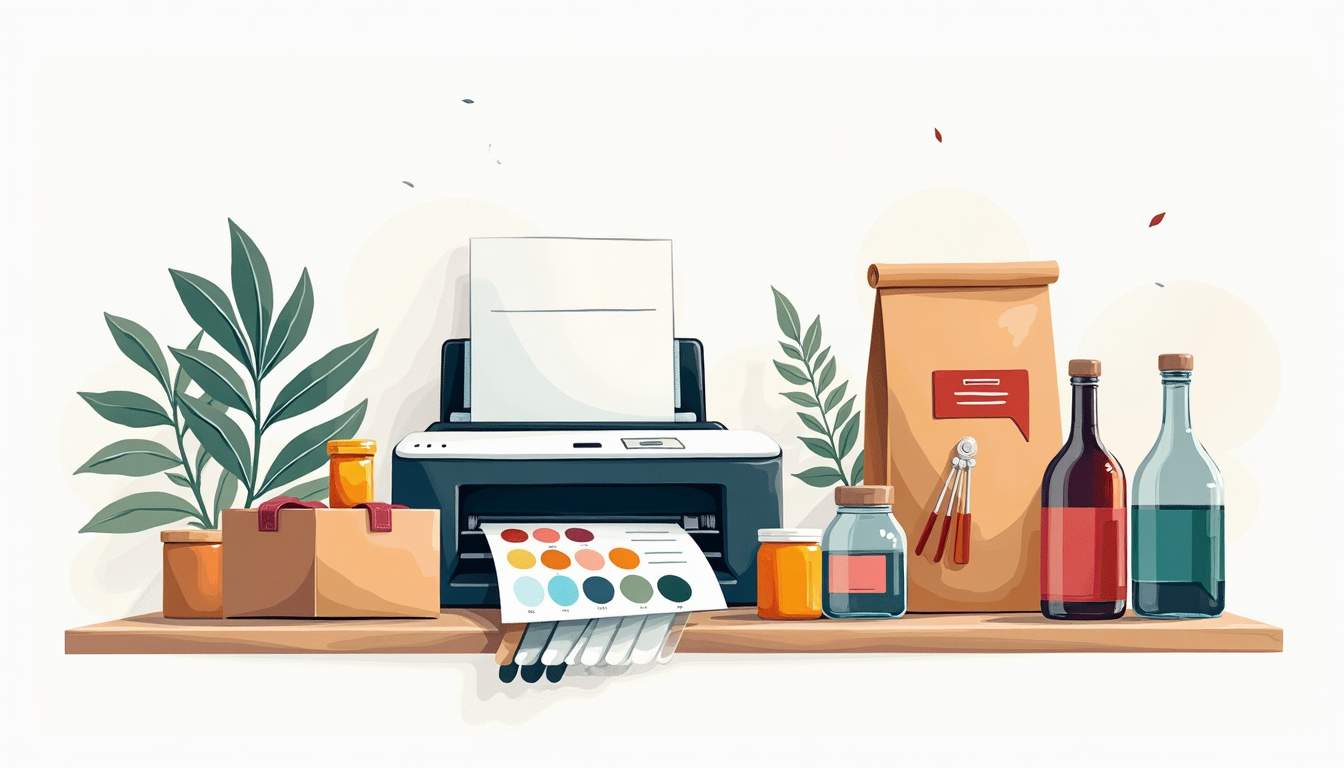
Some inks don’t adhere well to certain label materials or packaging surfaces. For example, solvent-based inks work well on plastic film labels but might bleed on paper. UV-curable inks offer durability and vibrant colors but require compatible materials.
Choosing the right ink ensures your label looks sharp and lasts as long as the packaging needs it to.
Printing Techniques
Common printing techniques include flexography, digital printing, and screen printing. Flexography is great for large runs and works well on paper and film labels. Digital printing offers customization and short runs but may have limitations on certain materials. Screen printing is durable and ideal for specialty labels but can be costly for small quantities.
Environmental and Regulatory Factors
Labels and packaging don’t exist in a vacuum. Environmental conditions and regulations can heavily influence your choices.
Exposure to Elements
If your product will be exposed to moisture, heat, sunlight, or chemicals, your label and adhesive must withstand these challenges. Waterproof labels and UV-resistant inks are essential for outdoor products or items stored in damp environments.
Food Safety and Compliance
Food packaging labels often have strict regulatory requirements. Adhesives and inks must be food-safe, non-toxic, and compliant with local regulations. Additionally, labels may need to withstand refrigeration or freezing without degrading.
Sustainability Considerations
Eco-conscious brands are increasingly seeking sustainable label and packaging solutions. Biodegradable labels, recyclable materials, and soy-based inks are popular choices. Matching labels to packaging with sustainability in mind can reduce environmental impact and appeal to green-minded consumers.
Testing and Quality Assurance
Before finalizing your label and packaging combination, testing is key. What looks good on paper might not perform well in real life.
Adhesion Tests
Simple tests like applying and peeling labels under different conditions can reveal adhesion strength and durability. Testing on actual packaging materials, not just samples, ensures accuracy.
Environmental Simulation
Simulating conditions like humidity, temperature changes, or exposure to chemicals can help predict label performance. This step is especially important for products with long shelf lives or harsh storage environments.
Print Durability
Check that your label’s print doesn’t smudge or fade over time. Rubbing tests and exposure to light can help evaluate print longevity.
Final Tips for Matching Labels to Packaging
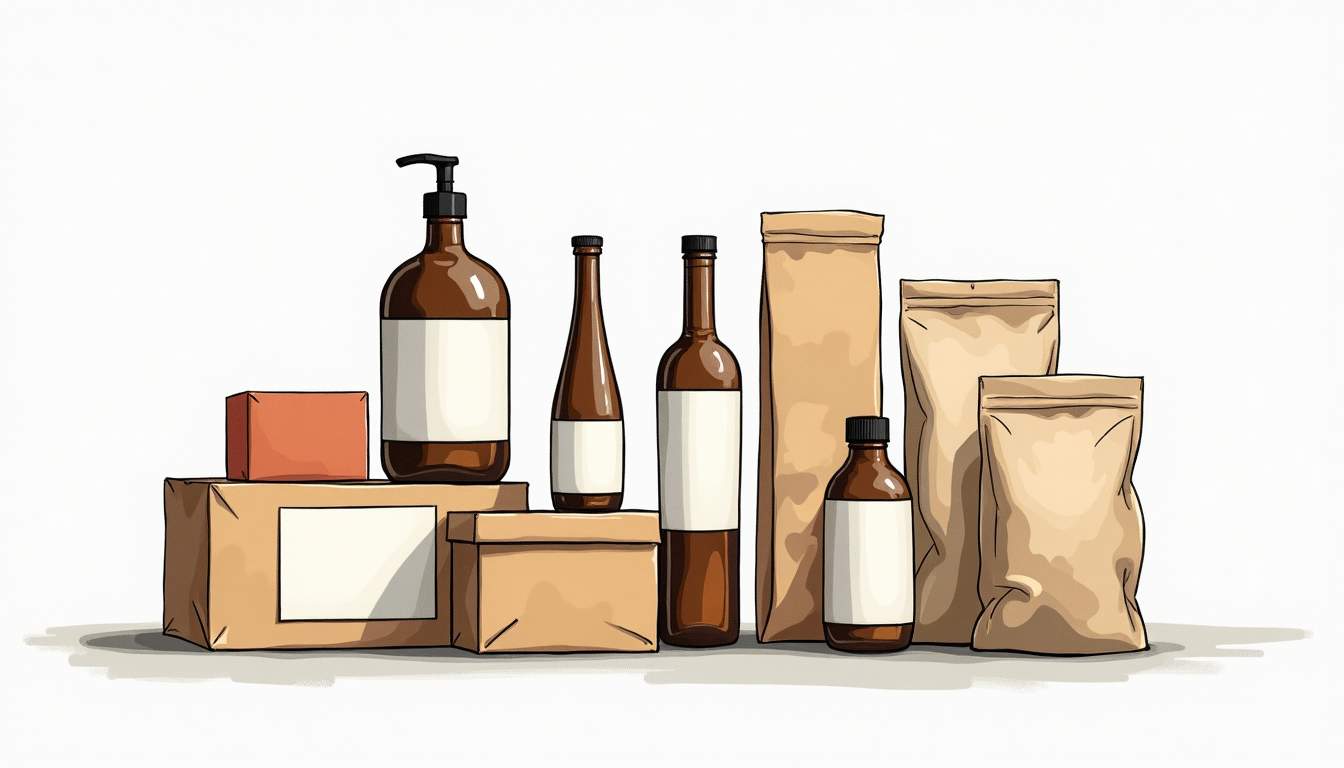
Matching labels to packaging materials is a balancing act. Here are some practical tips to keep in mind:
- Know your packaging inside and out: Material, texture, finish, and expected conditions all matter.
- Choose label materials that complement packaging: Don’t force paper labels onto slick plastics or expect film labels to stick well on rough cardboard without testing.
- Match adhesives to environment and surface: Consider permanent, removable, or specialty adhesives based on your needs.
- Consider printing methods and inks: Ensure compatibility for durability and visual appeal.
- Test before you commit: Small-scale trials can save headaches and expenses later.
- Think about sustainability: Eco-friendly options can enhance brand image and reduce waste.
Getting your labels right isn’t just about sticking something on a box or bottle. It’s about creating a seamless experience that protects your product, communicates your brand, and stands up to real-world conditions. With attention to detail and thoughtful choices, your labels and packaging can work together perfectly.