
How to Use News Calendars to Your Advantage in Forex
If you’re just getting started with CFD forex trading, one of the tools you’ll want to get familiar with is the economic calendar. It might not sound exciting at first, but it’s a game-changer. Knowing when key financial events are happening can help you prepare for market shifts, make smarter trading decisions, and steer clear of avoidable risks.
That said, not every economic calendar is built the same, and more importantly, not every trader knows how to use one properly.
In this article, we’ll break down how economic calendars work, the kind of information they provide, and how you can use them to sharpen your trading strategy.
What is an Economic Calendar?
If you’ve ever looked at a price chart, you’ll notice the market is always moving—prices go up, they go down. But sometimes, they spike or drop sharply, creating dramatic patterns and sudden shifts. While some volatility is just part of daily trading, the more intense price swings are often triggered by events outside the usual market behaviour.
Some of these events are completely unpredictable, like geopolitical tensions, natural disasters, or other major news stories. When something big happens, traders tend to react quickly to protect their investments, and that reaction can cause significant market movement.
But not all market-moving events are surprises. Plenty of them are scheduled ahead of time—things like economic reports, interest rate decisions, company earnings releases, or official government statements. These events are planned, but they still have the power to move the markets in a big way. And since they happen throughout the year, keeping track of them all can be a challenge.
That’s where the economic calendar comes in. It’s a handy tool that lists all the upcoming events likely to influence the markets. Even if your trading style is heavily focused on technical analysis, ignoring these scheduled releases could throw off your strategy. Economic calendars keep you informed about key developments and give you a better sense of where the market might be headed, so you can make more informed trading decisions.
Why Every Trader Should Use an Economic Calendar
When you place a trade, you’re stepping into a fast-paced world where banks, hedge funds, and thousands of other traders are all working to get an edge. To compete, it’s not enough to just read price charts—you also need to understand what’s moving the market.
Economic data releases are some of the biggest drivers of volatility in forex. Reports like inflation rates, employment figures, and central bank decisions can shift market sentiment in seconds. These aren’t just numbers—they’re signals that big institutional players watch closely before making their moves.
If you’re trading without checking an economic calendar first, you’re trading in the dark. You might think you’ve spotted the perfect setup, only to see the market suddenly spike or crash because a major news release just came out. That’s a painful way to learn a lesson.
Key Parts of an Economic Calendar
To use an economic calendar effectively, you need to understand the different elements it shows. Here’s what to look for:
- Date and Time: This tells you exactly when an event is set to happen. High-impact events can cause major price swings, so knowing the timing helps you plan or avoid risky moments.
- Currency Affected: Each event is tied to a specific country and currency. For example, if the U.S. releases employment data, it’s likely to affect all USD-related currency pairs.
- Event Description: This gives context. It could be a central bank rate decision, a GDP report, or inflation data. Knowing what the event is helps you understand why it matters.
- Impact Level, Actual, Forecast, Previous:
- The previous shows what the number was last time.
- The forecast is what analysts are expecting this time around.
- Actual is the newly released data, and it’s often the number that shakes the markets.
- The impact level (usually marked with colours or symbols) tells you how likely the event is to cause volatility.
Understanding these parts gives you a better read on market sentiment and helps you make more informed, confident trading decisions.
How to Use the Economic Calendar in Forex Trading
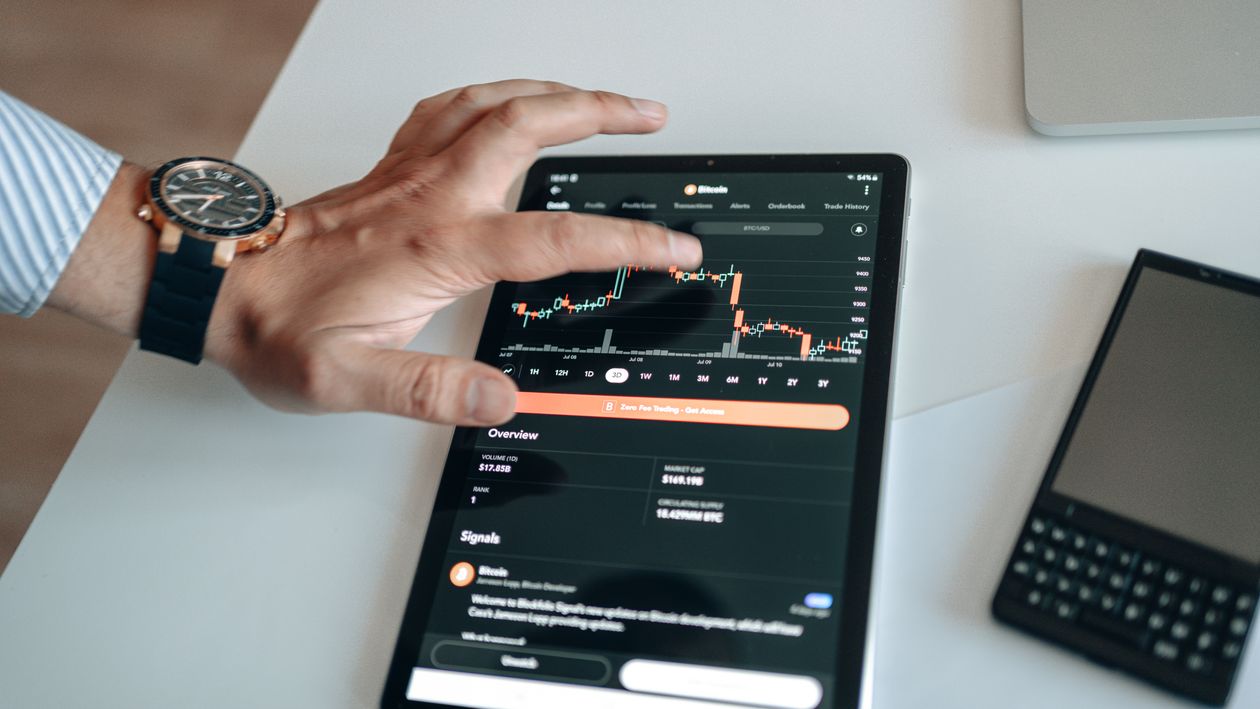
In forex trading, everything revolves around the value of national currencies. And since those values are directly influenced by the state of a country’s economy, it makes sense that economic news and data releases can have a major impact on the forex market.
Two Common Strategies for Trading Around Economic Events
Most forex traders rely on an economic calendar to stay ahead of key events that might shake up their chosen currency pairs. When big announcements are coming up, traders typically take one of two approaches: steer clear or jump in and ride the wave.
- Avoiding the chaos: Many traders prefer to stay out of the market during high-impact news releases. That’s because price movements can become unpredictable as a flood of traders rush in to react. It’s harder to find stable entry and exit points, and the risk of getting caught in a whipsaw increases.
- Capitalising on volatility: On the flip side, some traders see these moments as opportunities. They use short-term strategies—like scalping—to try and profit from rapid price swings. These tactics can be effective, but they’re high-risk and not ideal for beginners.
Key Economic Events to Watch
To use the economic calendar effectively, you need to know which events matter most. Here are some of the big ones to keep an eye on:
- Central bank decisions (like interest rate changes or monetary policy updates)
- Inflation reports (e.g., CPI or PPI data)
- Employment data (especially non-farm payrolls in the U.S.)
- Gross Domestic Product (GDP) figures
- Commodity price changes (like oil or gold, which can affect commodity-linked currencies)
Pay special attention to news involving major currencies, especially the U.S. dollar. As the world’s reserve currency, changes in the U.S. economy can ripple through global markets and impact almost every forex pair.
Don’t Rely on Just One Tool
While keeping an eye on economic events is crucial, it’s only one piece of the puzzle. The most successful traders combine fundamental analysis (like news and reports) with technical analysis (looking at price charts, indicators, and patterns). That way, they get a clearer picture of what’s happening and what might come next.
Final Thoughts
Forex trading is as exciting as it is challenging. And while building a solid trading plan is important, ignoring the economic calendar could lead to costly mistakes. This simple tool gives you a heads-up on events that could shake the market, helping you stay informed, avoid surprises, and make better trading decisions.