
Industrial Scale Solutions: Platform, Indicator & Accessories
When you step into a busy warehouse or a bustling manufacturing plant, one of the unsung heroes keeping operations smooth is the industrial scale. These machines do much more than just weigh items-they provide critical data that ensures accuracy, efficiency, and compliance across countless industries. But what makes an industrial scale truly effective? It’s the combination of a robust platform, a precise indicator, and the right accessories working seamlessly together.
The Backbone: Industrial Scale Platforms
The platform is where the action begins. It’s the surface that bears the weight of the product, material, or container. Choosing the right platform can make a huge difference in durability, accuracy, and ease of use.
Types of Industrial Scale Platforms
Platforms come in various shapes and sizes, designed to meet specific needs. For heavy-duty applications, steel platforms with reinforced frames are common. These can handle thousands of pounds without bending or warping. Stainless steel platforms are popular in food processing and pharmaceutical environments due to their corrosion resistance and ease of cleaning.
Some platforms feature low-profile designs to make loading and unloading easier, especially when dealing with pallets or heavy containers. Others come with built-in ramps or casters to improve mobility and ergonomics. Additionally, some advanced platforms incorporate integrated weighing technology, allowing for real-time weight monitoring and data collection, which can significantly enhance operational efficiency and accuracy in various industrial settings. To explore these solutions, you can visit Scales 4 U website for more details.
Material and Construction
The choice of material impacts the platform’s longevity and suitability for different environments. Carbon steel platforms are sturdy but may require protective coatings to prevent rust. Stainless steel platforms, while pricier, resist corrosion and stand up well to harsh cleaning chemicals. For outdoor use, platforms often have weatherproof coatings or are made from materials that can withstand moisture and temperature fluctuations. Furthermore, some manufacturers now offer composite materials that combine the best attributes of metal and plastic, providing lightweight yet robust platforms that are ideal for environments where weight is a concern.
Size and Capacity Considerations
Platform size must match the typical load dimensions to ensure stability and accurate readings. Oversized platforms can be less sensitive to small items, while undersized ones may not accommodate larger loads safely. Capacity is equally critical—scales must be rated to handle the maximum expected weight plus a margin for safety. Overloading a platform risks damage and inaccurate measurements. In addition, it’s essential to consider the frequency of use and the types of materials being weighed, as this can influence the choice of platform size and capacity. For instance, an operation that frequently weighs heavy machinery components may require a different setup than one that primarily handles smaller, lighter packages.
Precision at the Core: Scale Indicators
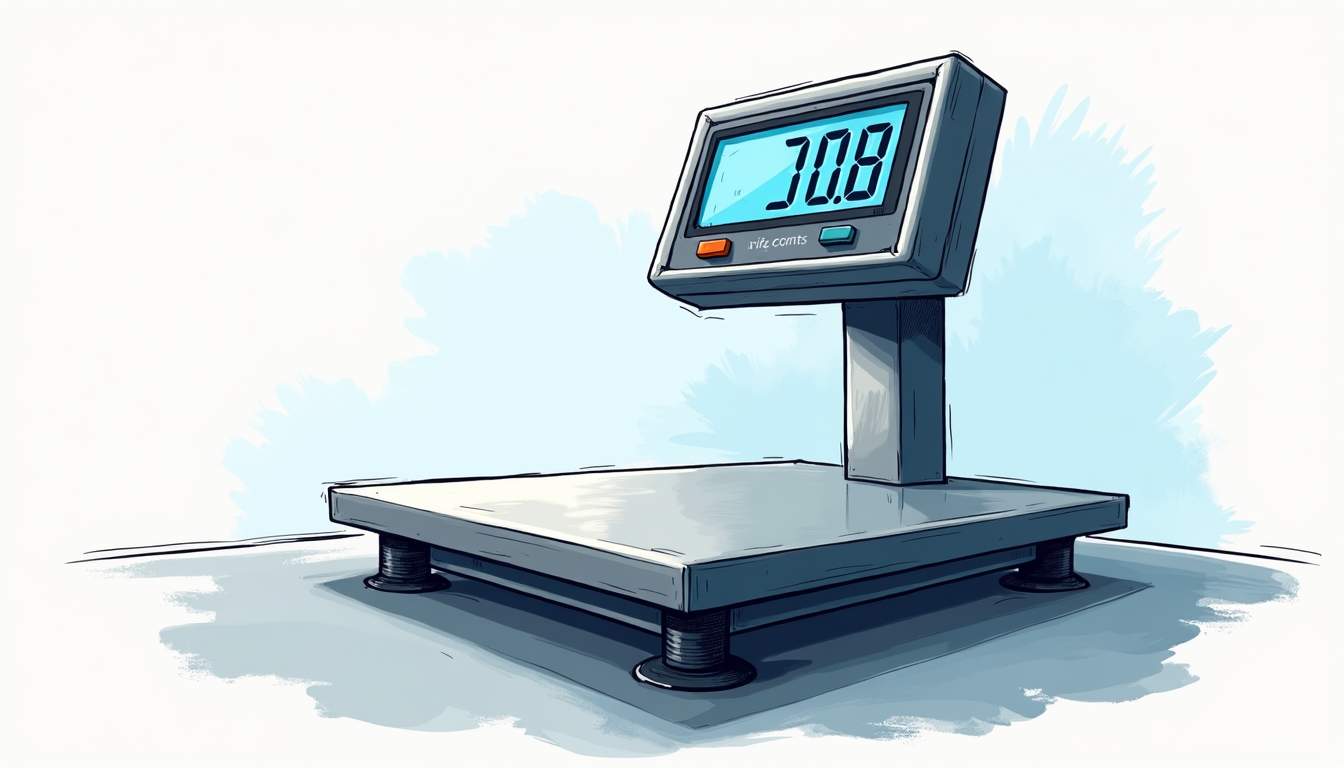
The indicator is the brain of the scale system. It converts the raw data from the platform’s load cells into meaningful weight readings and often offers additional functionality like data storage, communication, and user interface.
Types of Indicators
Basic indicators display weight digitally or on an analog dial. More advanced models provide features like programmable units, tare functions, and piece counting. High-end indicators can integrate with computers, printers, or warehouse management systems, enabling real-time data tracking and reporting.
Indicators vary in their display types too. Some have bright LED screens for easy reading in dim environments, while others use LCDs with backlighting for clarity and energy efficiency. Additionally, certain indicators are designed with ruggedness in mind, featuring protective casings that can withstand harsh conditions, making them ideal for outdoor or industrial settings where dust and moisture are prevalent.
Connectivity and Integration
Modern industrial indicators often come equipped with multiple connectivity options-USB, RS-232, Ethernet, or wireless. This allows seamless integration into broader operational workflows. For example, connecting the scale to inventory software can automate stock updates, reducing manual entry errors. The ability to interface with cloud-based systems also means that data can be accessed remotely, providing managers with insights into operations from anywhere in the world.
Some indicators support barcode scanning or RFID, enabling quick identification of products and linking weight data to specific batches or shipments. This functionality not only streamlines the inventory management process but also enhances traceability, which is crucial in industries such as food and pharmaceuticals where compliance with safety regulations is paramount.
User Interface and Ease of Use
Intuitive controls and clear displays reduce operator errors and training time. Touchscreen indicators with customizable menus help tailor the scale’s functions to specific tasks. Physical buttons remain popular for their reliability in harsh environments where gloves or dirt might interfere with touchscreens. Furthermore, many modern indicators offer multi-language support, catering to diverse workforces and ensuring that all operators can effectively utilize the equipment without language barriers.
In addition to user-friendly interfaces, some indicators come with built-in tutorials or help functions, guiding users through various features and troubleshooting processes. This educational aspect not only enhances usability but also empowers operators to make the most of the scale’s capabilities, ultimately leading to increased efficiency and productivity in their daily operations.
Enhancing Functionality: Industrial Scale Accessories
Accessories might seem like extras, but they can transform a simple scale into a versatile tool tailored to specific industrial needs.
Load Cells and Mounting Kits
Load cells are the sensors that detect weight on the platform. Upgrading or replacing load cells can improve accuracy or adapt a scale to new capacities. Mounting kits ensure the load cells are properly installed and protected from environmental damage or mechanical stress. The choice of load cell is critical; for instance, shear beam load cells are ideal for heavy-duty applications, while compression load cells are perfect for more compact setups. Additionally, the installation of load cells using high-quality mounting kits can minimize the risk of misalignment, which can lead to inaccurate readings and operational inefficiencies.
Printers and Labeling Systems
In many industries, printed weight tickets or labels are essential for tracking and compliance. Adding a printer to the scale system allows operators to generate weight tickets on the spot, complete with timestamps, batch numbers, or other relevant data. Label printers can produce adhesive tags for products, streamlining inventory and shipping processes. Moreover, modern printers can connect wirelessly to scales, enabling real-time data transfer and reducing the chances of human error. This integration not only enhances productivity but also ensures that all documentation is accurate and readily available for audits or inspections.
Remote Displays and Alarms
Remote displays can be installed in locations visible to operators or supervisors, improving workflow and safety. Audible alarms or visual indicators can alert staff when weights exceed limits or when scales require calibration, preventing costly mistakes. These systems can be customized to suit specific operational needs; for example, multi-color displays can indicate different weight thresholds, while programmable alarms can be set for various scenarios, ensuring that all team members are aware of critical changes in weight measurements. This proactive approach to monitoring can significantly reduce the risk of overloading equipment and enhance overall operational efficiency.
Protective Covers and Environmental Shields
Industrial environments can be tough on equipment. Dust, moisture, chemicals, and temperature extremes can degrade scale components. Protective covers and environmental shields help extend the life of scales by shielding sensitive electronics and mechanical parts from harsh conditions. These protective accessories are often made from durable materials that resist corrosion and impact, ensuring that the scales remain functional even in the most demanding settings. Furthermore, investing in high-quality protective solutions can lead to reduced maintenance costs and downtime, allowing businesses to maintain continuous operations without the interruptions caused by equipment failure.
Software and Data Management Tools
Software solutions complement hardware by providing data analysis, reporting, and compliance documentation. Many industrial scales come with proprietary or third-party software that can export data to spreadsheets, generate audit trails, or integrate with enterprise resource planning (ERP) systems. Advanced software can also offer features like real-time monitoring, allowing managers to track weight data remotely and make informed decisions quickly. Additionally, some systems provide customizable dashboards that visualize data trends, helping businesses identify inefficiencies and optimize their processes. This level of data management not only enhances operational transparency but also supports strategic planning and resource allocation.
Choosing the Right Industrial Scale Solution
Finding the perfect combination of platform, indicator, and accessories depends on understanding the specific demands of your operation.
Assessing Application Requirements
Start by considering what you’ll be weighing. Are the items bulky or small? Are they in containers or loose? What is the maximum weight? How often will the scale be used? The answers guide platform size and capacity choices.
Environmental factors matter too. Food processing plants require hygienic, easy-to-clean materials. Outdoor construction sites need rugged, weather-resistant designs.
Accuracy and Compliance Needs
Some industries demand legal-for-trade scales certified by regulatory bodies. Accuracy tolerances vary by application-pharmaceuticals require much higher precision than bulk material handling. Understanding these requirements ensures compliance and avoids costly penalties.
Budget and Total Cost of Ownership
Initial purchase price is just one part of the equation. Consider maintenance, calibration, potential downtime, and the cost of accessories needed to meet your operational goals. Investing in quality components upfront often saves money by reducing errors and extending equipment life.
Maintaining and Calibrating Industrial Scales
Even the best industrial scale solution requires regular maintenance and calibration to stay reliable.
Routine Maintenance Practices
Keep platforms clean and free of debris. Check for physical damage or corrosion. Inspect cables and connectors for wear. Lubricate moving parts if applicable. Regular maintenance prevents unexpected failures and maintains accuracy.
Calibration Procedures
Calibration adjusts the scale to known standards, ensuring measurements remain accurate over time. This process typically involves using certified test weights and following manufacturer or regulatory guidelines. Many scales support internal calibration routines, while others require professional service.
Documenting and Scheduling
Maintaining records of calibration and maintenance activities is crucial for quality control and regulatory compliance. Scheduling these tasks at regular intervals prevents drift in accuracy and helps identify issues before they impact operations.
Future Trends in Industrial Scale Technology
Technology continues to push the boundaries of what industrial scales can do.
Smart Scales and IoT Integration
Connected scales that communicate with cloud platforms enable real-time monitoring and predictive maintenance. This reduces downtime and offers insights into operational efficiency.
Advanced Materials and Design
New materials improve durability and reduce weight, making scales easier to move and less prone to damage. Modular designs allow customization and upgrades without replacing entire systems.
Enhanced User Interfaces
Voice commands, augmented reality overlays, and AI-driven diagnostics are emerging features that simplify operation and troubleshooting.
Conclusion
Industrial scale solutions are more than just weighing machines. They are complex systems that combine rugged platforms, intelligent indicators, and tailored accessories to meet the demanding needs of modern industries. Selecting the right components, maintaining them properly, and staying aware of technological advances ensures that these vital tools continue to deliver accuracy, efficiency, and reliability day after day.