
Instant vs. Storage Water Heaters – Which Is Right for You?
Choosing the right water heater for your home is a decision that impacts daily comfort, energy bills, and even your environmental footprint. With various options available, two of the most popular types are instant (tankless) water heaters and storage (tank) water heaters. Each has its unique advantages and potential drawbacks, and understanding these can help you make an informed choice that suits your lifestyle and household needs.
Understanding the Basics: What Are Instant and Storage Water Heaters?
What Is an Instant Water Heater?
Instant water heaters, often called tankless water heaters, heat water directly without the use of a storage tank. When you turn on the hot water tap, cold water travels through a heating element or a gas burner, heating the water on demand. This means you get hot water almost immediately, without waiting for a tank to fill up or heat.
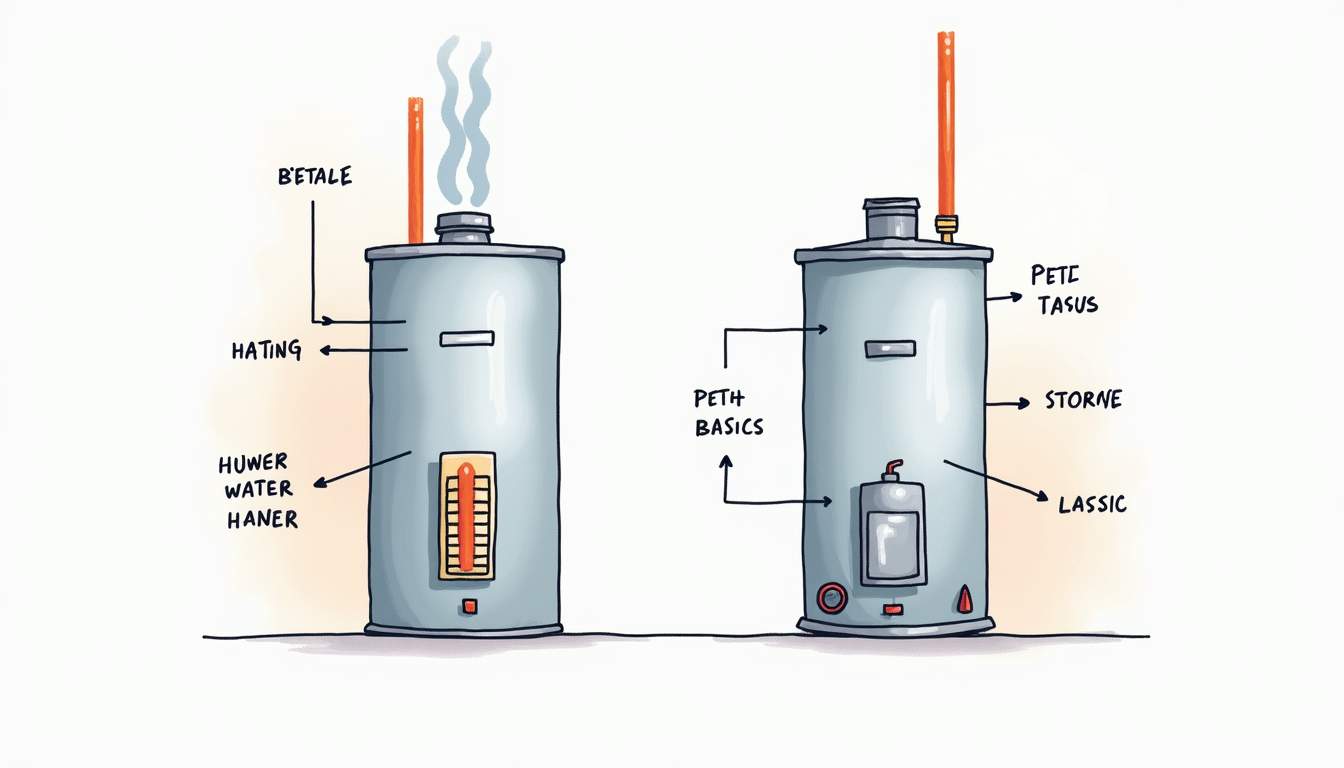
Because they don’t store hot water, these units are compact and can be installed in smaller spaces or closer to the point of use. This efficiency in design often translates to energy savings and reduced heat loss. Additionally, many instant water heaters are designed to be more environmentally friendly, as they only operate when hot water is needed, which can lead to lower energy bills and a reduced carbon footprint.
Another advantage of instant water heaters is their longevity. With proper maintenance, they can last for over 20 years, significantly longer than traditional storage water heaters. This durability can make them a more cost-effective option over time, despite the higher initial investment. Furthermore, many modern models come equipped with advanced technology, such as digital temperature controls and Wi-Fi connectivity, allowing users to monitor and adjust settings remotely for optimal convenience. For more information, you can visit Plumber Singapore to explore professional installation and maintenance services.
What Is a Storage Water Heater?
Storage water heaters, also known as tank water heaters, work by heating a large volume of water and storing it in an insulated tank until it’s needed. The water is kept hot and ready for use, so when you turn on the tap, hot water is immediately available, at least until the stored supply runs out.
These systems come in various sizes, typically ranging from 20 to 80 gallons, and are a common choice in many households. Their ability to deliver hot water to multiple outlets simultaneously makes them a reliable option for larger families or homes with high hot water demand. However, one of the downsides is that once the tank is depleted, there may be a waiting period for the water to reheat, which can be inconvenient during peak usage times.
<pmoreover, additionally,=”” also=”” an=”” and=”” appreciate=”” as=”” attractive=”” be=”” budget-conscious=”” come=”” compared=”” consistent=”” consumers.<=”” cools=”” costs=”” counterparts,=”” demand=”” despite=”” drawbacks,=”” due=”” especially=”” for=”” gas-powered=”” generally=”” have=”” heat=”” heaters=”” heaters,=”” higher=”” homeowners=”” hot=”” in=”” is=”” loss,=”” lower=”” making=”” many=”” models.=”” more=”” need=”” needs=”” of=”” often=”” option=”” over=”” p=”” particularly=”” predictable.=”” proper=”” regions=”” reheated.=”” reliability=”” require=”” simplicity=”” size=”” space=”” standby=”” storage=”” tank=”” tankless=”” tend=”” the=”” their=”” them=”” these=”” they=”” time=”” to=”” upfront=”” ventilation,=”” water=”” where=”” with=””>
Energy Efficiency and Cost Considerations
Energy Consumption: Instant Heaters Take the Lead
One of the biggest advantages of instant water heaters is their energy efficiency. Because they heat water only when needed, they avoid the standby heat loss that occurs in storage tanks. This means less wasted energy and potentially lower utility bills.
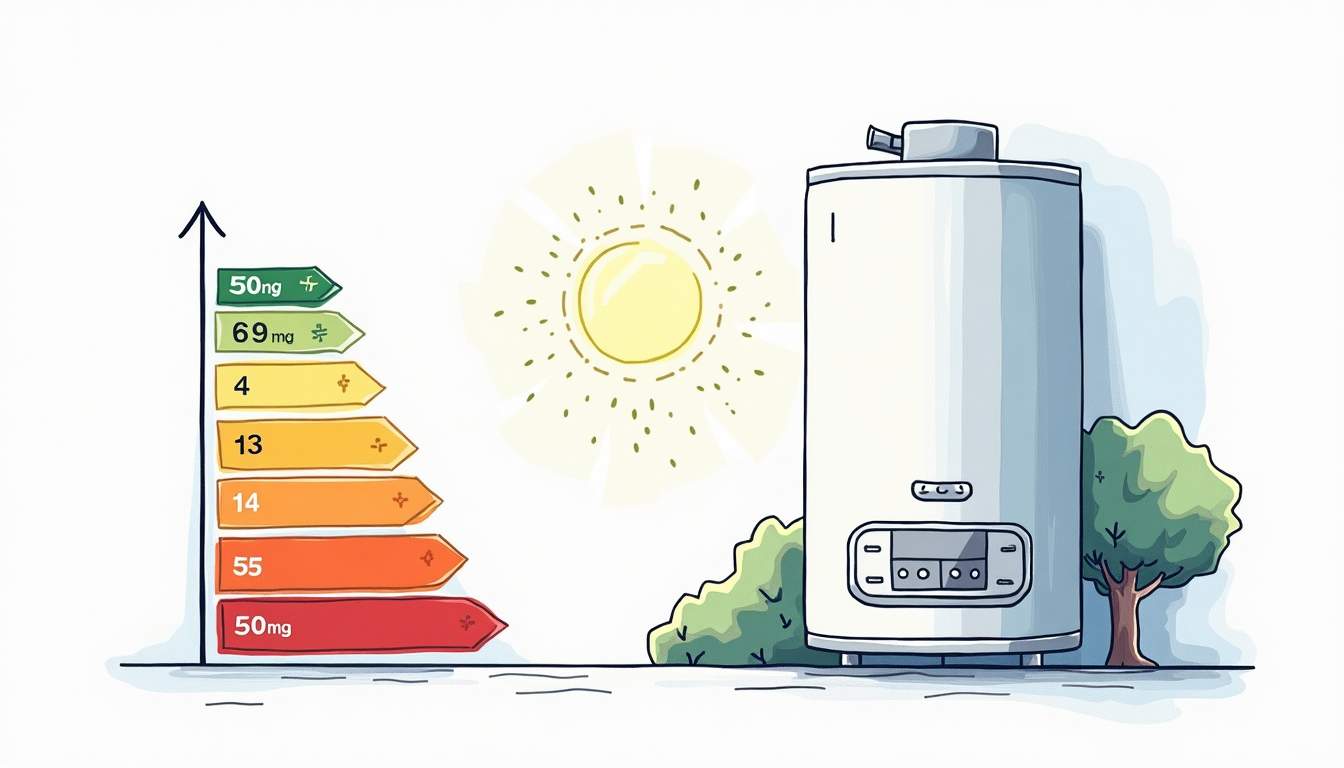
According to various studies, tankless water heaters can be 24% to 34% more energy-efficient for households that use 41 gallons or less of hot water daily. For larger households, the savings may be less dramatic but still noticeable over time. Additionally, many instant water heaters come equipped with advanced technology that allows for precise temperature control, ensuring that you’re not only saving energy but also enjoying hot water at your preferred temperature without fluctuation. This feature is particularly beneficial during peak usage times, such as morning routines or when running multiple appliances simultaneously.
Upfront and Installation Costs
While instant water heaters offer long-term savings, their initial cost is generally higher than storage water heaters. The unit itself can be more expensive, and installation may require upgrades to your home’s electrical system or gas lines, adding to the expense. Depending on the complexity of the installation, homeowners may also need to factor in the cost of permits or hiring a licensed plumber, which can vary significantly by region.
Storage water heaters typically have lower upfront costs and simpler installation requirements, making them a more budget-friendly option initially. However, the ongoing energy costs can add up, especially if the tank is large and the unit is older or less efficient. Furthermore, many homeowners overlook the potential costs associated with the maintenance of traditional water heaters, which can include not only sediment buildup but also issues related to rust and corrosion over time. These factors can lead to unexpected expenses that may offset the initial savings of a lower-priced unit.
Long-Term Maintenance and Lifespan
Maintenance needs differ between the two types. Storage water heaters require periodic flushing to remove sediment buildup, which can affect efficiency and lifespan. An average storage water heater lasts about 10 to 15 years with proper care. Regular inspections can help identify issues early, but many homeowners may neglect this aspect, leading to premature failures and costly replacements.
Instant water heaters usually have fewer maintenance requirements since they don’t store water, reducing the risk of sediment accumulation. They often last longer, with lifespans ranging from 20 to 25 years, making them a durable investment. Moreover, many modern models come with self-diagnostic features that alert homeowners to potential problems before they escalate, providing peace of mind. This proactive approach to maintenance not only enhances the longevity of the unit but also ensures that you consistently enjoy optimal performance without the hassle of frequent repairs.
Performance and Usage: Matching Your Household’s Needs
Hot Water Demand and Flow Rate
Instant water heaters provide hot water on demand but have a limited flow rate. This means they can struggle to supply multiple outlets simultaneously, such as running a shower and dishwasher at the same time. For smaller households or point-of-use applications like a single bathroom or kitchen sink, they work exceptionally well.
Storage water heaters, with their large tanks, can supply multiple outlets at once without a significant drop in water temperature or pressure. This makes them ideal for larger families or homes with high simultaneous hot water usage.
Space and Installation Flexibility
Because instant water heaters are compact and wall-mounted, they save valuable floor space. This is particularly beneficial in apartments, small homes, or areas where space is at a premium.
Storage water heaters require a dedicated space for the tank, which can be bulky and heavy. They are usually installed in basements, utility rooms, or garages, where space is less of a concern.
Water Temperature Consistency
Instant water heaters heat water as it flows through the unit, which can sometimes lead to slight temperature fluctuations, especially if multiple outlets are in use. Modern models often include advanced controls to help maintain consistent temperatures, but this is a consideration for sensitive applications.
Storage water heaters maintain a reservoir of hot water at a set temperature, offering steady and reliable hot water until the tank is depleted. However, once the tank runs out, there is a waiting period for the water to reheat.
Environmental Impact and Sustainability
Energy Efficiency and Carbon Footprint
Because instant water heaters only heat water when needed, they generally consume less energy and produce fewer greenhouse gas emissions over time. This makes them a greener choice for environmentally conscious consumers.
Storage water heaters, especially older models, can waste energy through standby heat loss, which increases their carbon footprint. However, newer models with improved insulation and energy-efficient features have reduced this impact significantly.
Water Conservation Considerations
Instant water heaters can contribute to water conservation since hot water is delivered almost immediately, reducing the amount of water wasted while waiting for it to heat. This is particularly useful in areas facing water scarcity.
Storage water heaters may cause more water waste if the hot water runs out and users have to wait for the tank to refill and reheat, especially in high-demand situations.
Making the Right Choice for Your Home
Assessing Your Household Size and Lifestyle
For small households or individuals who use less hot water, instant water heaters can be an excellent choice, offering energy savings and space efficiency. They are also suitable for secondary points of use, such as guest bathrooms or remote sinks.
Larger families or homes with high simultaneous hot water demand may find storage water heaters more practical, as they can supply multiple outlets without compromising water temperature or pressure.
Considering Your Budget and Long-Term Goals
If upfront cost is a major concern, storage water heaters are generally more affordable to purchase and install. However, factoring in energy savings and longer lifespan, instant water heaters may offer better value over time.
Homeowners looking to reduce their environmental impact and lower ongoing utility bills might prioritize instant water heaters despite the higher initial investment.
Installation Constraints and Space Availability
Space limitations can heavily influence the decision. Instant water heaters’ compact size makes them suitable for homes with limited space, while storage water heaters require more room for the tank.
Additionally, installation requirements such as electrical capacity and gas supply should be evaluated by a professional to ensure compatibility and safety.
Conclusion: Which Water Heater Is Right for You?
Both instant and storage water heaters have their strengths and weaknesses. Instant water heaters excel in energy efficiency, space-saving design, and long-term durability, making them ideal for smaller households or those seeking to minimize environmental impact. Storage water heaters offer reliable performance for high-demand households, with lower upfront costs and the ability to supply multiple outlets simultaneously.
Ultimately, the best choice depends on your household size, hot water usage patterns, budget, space constraints, and personal preferences. Consulting with a qualified plumber or energy specialist can help tailor the decision to your specific needs, ensuring comfort, efficiency, and satisfaction for years to come.
</pmoreover,>