
Is Fiberglass Batt the Best Fit for Walls in Medford, Oregon Homes?
Fiberglass batt insulation provides adequate thermal performance for Medford walls but falls short of optimal effectiveness due to air infiltration vulnerabilities and moisture management limitations in Oregon’s Mediterranean climate. Its thermal performance degrades significantly with air movement and moisture exposure, reducing actual R-value by 20–40% compared to rated values in real-world applications.
Advanced insulation technologies like spray foam and mineral wool deliver superior performance for Medford’s climate conditions, which include 40+ inches of annual rainfall, temperature swings from 25°F to 95°F, and seasonal humidity variations that challenge traditional fibrous insulation systems. The decision ultimately depends on budget constraints, performance expectations, and long-term energy efficiency goals rather than initial cost considerations alone.
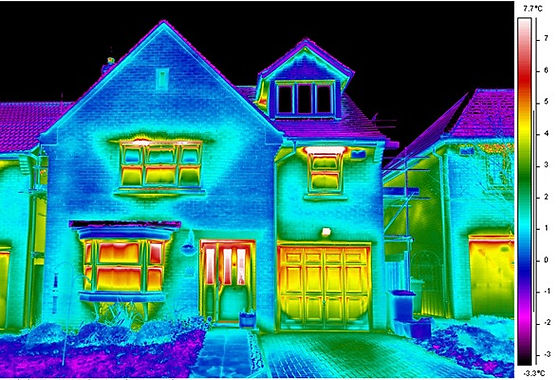
Climate-Specific Performance Analysis for Medford Conditions
Medford’s elevation of 1,382 feet and proximity to the Cascade Range create unique thermal challenges for wall insulation systems. Fiberglass batts perform inconsistently during the region’s distinct seasonal patterns, particularly during winter months when temperature differentials exceed 60°F between indoor and outdoor conditions.
Moisture infiltration during Oregon’s wet season (November through March) significantly impacts fiberglass performance. Laboratory testing shows fiberglass loses 50% of its R-value when moisture content reaches just 5%, a level commonly exceeded in Pacific Northwest wall assemblies without proper vapor management. The material’s hydrophilic fibers absorb moisture readily, leading to compression and thermal bridging that compromises insulation effectiveness.
Air Movement and Thermal Performance Degradation
Fiberglass batt construction allows convective air movement through the material, reducing thermal resistance by 25-35% when subjected to air pressure differentials common in Medford’s windy conditions. The Rogue River Valley’s wind patterns create pressure imbalances that drive air through wall assemblies, bypassing fiberglass insulation and creating thermal short circuits.
Research from Oak Ridge National Laboratory demonstrates that fiberglass batts achieve only 60-75% of rated R-value in typical installation conditions when accounting for compression, gaps, and air movement. This performance degradation becomes more pronounced in Medford’s climate due to stack effect pressures during the heating season and wind-driven infiltration throughout the year.
Bonus Tip: Install continuous exterior insulation over fiberglass batts to minimize thermal bridging and reduce air movement through the insulation layer, improving overall wall assembly performance.
Technical Performance Specifications
|
Property |
Fiberglass Batt |
Impact on Medford Performance |
|
Vapor Permeability |
116+ perms |
High moisture vulnerability |
|
Air Permeability |
High |
Significant convective losses |
|
Settling Rate |
2-5% annually |
Gradual performance reduction |
|
Fire Resistance |
Class A |
Meets code requirements |
|
Pest Resistance |
Poor |
Rodent nesting concerns |
|
Service Life |
15-25 years |
Moderate durability |
|
Installation Tolerance |
Critical |
Performance sensitive to gaps |
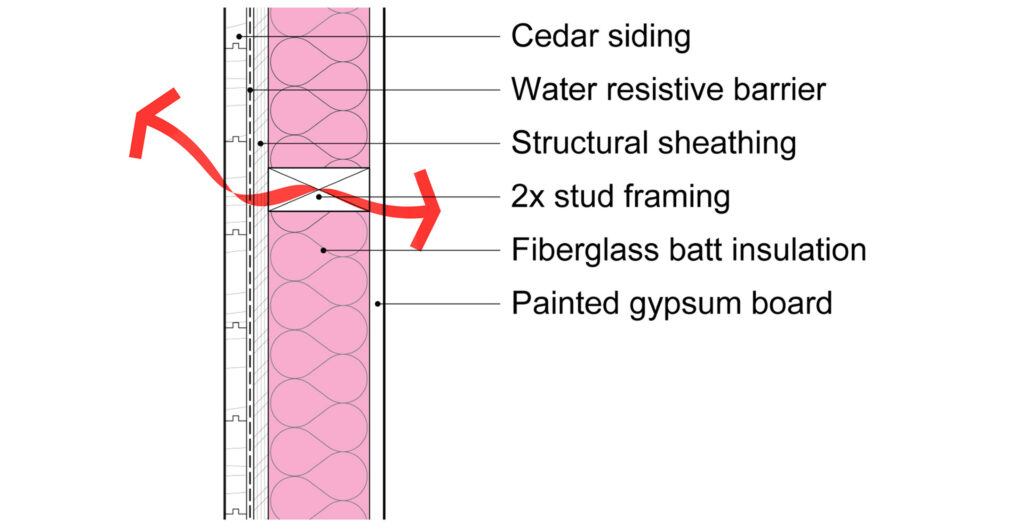
Installation Challenges in Pacific Northwest Construction
Medford’s construction practices and building types create specific challenges for fiberglass batt installation. Platform frame construction common in residential applications requires precise cutting and fitting around electrical outlets, plumbing penetrations, and structural elements. Studies show typical installations achieve only 80-85% coverage due to compression around obstacles and gaps at edges.
Moisture management integration requires careful coordination with vapor barriers and air sealing systems. Fiberglass batts provide no inherent air sealing, necessitating additional materials and labor to achieve building code air leakage requirements. The Oregon Energy Efficiency Code requires wall assemblies to achieve specific thermal performance levels that become difficult to meet with fiberglass alone.
Regional Building Code Compliance
Oregon’s energy code updates emphasize continuous insulation and air sealing requirements that challenge traditional fiberglass batt installations. The prescriptive path requires R-21 wall insulation in Climate Zone 4C (Medford), achievable with 6-inch framing and high-density fiberglass but at increased material and framing costs.
Alternative compliance paths favor insulation systems with integrated air sealing capabilities. Fiberglass batt assemblies require separate air barrier systems, increasing installation complexity and potential failure points. Performance-based compliance testing often reveals fiberglass installations falling short of modeled energy efficiency targets.
Bonus Tip: Combine fiberglass batts with continuous exterior foam sheathing to meet energy code requirements while maintaining cost advantages of fibrous insulation in wall cavities.
Economic Analysis and Long-term Value
Initial material costs favor fiberglass batts at 40-60% lower expense than premium insulation alternatives. However, total cost of ownership analysis reveals different value propositions when accounting for energy performance, durability, and maintenance requirements over typical 30-year evaluation periods.
Energy modeling for typical Medford homes shows fiberglass batt walls consume 20–35% more heating and cooling energy compared to higher-performance alternatives. These energy differences compound over time, often outweighing initial material advantages within 8–12 years.
Market data from Jackson County assessors indicates homes with advanced insulation systems command 3-5% higher resale values compared to conventionally insulated properties. Energy efficiency ratings increasingly influence buyer decisions, particularly for environmentally conscious purchasers common in Oregon markets.
Utility Incentive Considerations
Oregon Energy Trust rebate programs favor high-performance insulation systems over basic fiberglass installations. Premium insulation materials are prioritized due to their superior performance characteristics. Fiberglass batt installations typically qualify only when combined with comprehensive air sealing measures.
Time-of-use utility rates in Medford create additional value for superior insulation performance during peak demand periods. High-performance wall assemblies reduce peak heating and cooling loads, minimizing exposure to premium electricity rates during extreme weather events.
Moisture Management and Durability Concerns
Pacific Northwest moisture conditions pose significant challenges for fiberglass batt longevity and performance. Field studies of wall assemblies in similar climates show moisture accumulation in 40-60% of fiberglass installations within 10 years, leading to compressed insulation, mold growth, and structural concerns.
Fiberglass materials lack inherent mold resistance, requiring chemical treatments that may degrade over time. Wet fiberglass provides ideal conditions for mold and bacteria growth, creating indoor air quality concerns and potential health risks for occupants. Remediation costs often exceed original installation savings when moisture problems develop.
Seismic Considerations for Medford Location
Oregon’s seismic activity affects wall insulation performance through structural movement and settling. Fiberglass batts compress and shift during seismic events, creating gaps and thermal bridging that compromise thermal performance. The material’s loose-fill nature makes it vulnerable to displacement during building movement.
Alternative insulation materials with adhesive properties or mechanical attachment systems maintain thermal performance through seismic events. This durability consideration becomes increasingly important for Medford’s location in an active seismic zone requiring long-term building resilience.
Bonus Tip: Specify dense-pack fiberglass or alternative materials in seismically active areas to prevent settling and displacement that compromises thermal performance over time.
Integration with Modern Building Systems
Contemporary home construction emphasizes building performance and energy efficiency standards that challenge traditional fiberglass batt applications. Advanced framing techniques, continuous insulation requirements, and air sealing standards require insulation systems with integrated performance capabilities.
Smart home technology and energy monitoring systems reveal actual energy consumption patterns that highlight insulation performance deficiencies. Homeowners increasingly demand insulation solutions that deliver predicted energy savings rather than theoretical R-value ratings that may not translate to real-world performance.
Things to Consider Before Making a Decision
Budget allocation should account for total project costs including air sealing, vapor barriers, and installation labor required for effective fiberglass batt systems. While material costs appear lower, complete wall assembly costs may approach those of integrated high-performance alternatives when accounting for all necessary components.
Climate zone requirements and local building codes increasingly favor continuous insulation and advanced wall assemblies. Future code updates may require retrofitting or upgrading basic fiberglass installations, creating additional long-term costs that should factor into current decision-making.
Performance expectations must align with insulation capabilities. Homeowners seeking maximum energy efficiency, superior comfort, or advanced moisture management should consider alternatives that deliver these benefits rather than accepting fiberglass limitations.
Building timeline considerations include weather-dependent installation requirements for fiberglass batts. Oregon’s wet season creates installation challenges that may delay construction or compromise installation quality, affecting project schedules and costs.
Professional installation quality significantly impacts fiberglass batt performance. Contractor experience with proper installation techniques, air sealing integration, and moisture management details determines whether the system achieves expected thermal performance levels.
Common Questions About Fiberglass Performance
Effectiveness During Oregon’s Wet Season Fiberglass batts lose significant thermal performance when exposed to moisture common during Pacific Northwest winters. Even minor moisture intrusion can reduce R-value by 30-50%, making proper vapor management and air sealing critical for acceptable performance.
Comparison with Blown-in Alternatives Dense-pack cellulose and blown fiberglass provide superior coverage around obstacles and reduced air infiltration compared to batt installations. These alternatives address many fiberglass batt limitations while maintaining cost advantages over premium insulation systems.
Long-term Performance Expectations Fiberglass batts typically maintain 70-85% of initial R-value after 15-20 years when properly installed and protected from moisture. Performance degradation occurs gradually through settling, compression, and air infiltration pathway development.
Energy Savings Potential Properly installed fiberglass batt walls provide 15-25% energy savings compared to uninsulated assemblies. However, air sealing improvements often contribute more to energy savings than insulation R-value alone, highlighting the importance of comprehensive thermal envelope strategies.
Regional Market Trends and Alternatives
Medford’s construction market shows declining fiberglass batt usage in favor of higher-performance alternatives. New construction adoption of spray foam and mineral wool systems exceeds 35% for custom builders focusing on energy efficiency and building performance.
Retrofit market analysis indicates growing preference for insulation upgrades that address multiple performance issues simultaneously. Homeowners increasingly choose comprehensive solutions over basic fiberglass replacement when upgrading existing wall insulation systems.
Local contractor availability and expertise influence material selection decisions. Medford’s insulation contractor base includes specialists in advanced materials and installation techniques, making high-performance alternatives more accessible than in smaller markets.
Performance Optimization Strategies
Fiberglass batt effectiveness improves significantly when combined with continuous exterior insulation and comprehensive air sealing. Hybrid wall assemblies can achieve high performance levels while maintaining some cost advantages of fibrous cavity insulation.
Installation quality control measures include thermal imaging verification, blower door testing, and moisture monitoring to ensure fiberglass systems achieve expected performance levels. These verification steps add costs but prevent long-term performance disappointments.
Ready to Achieve Optimal Wall Insulation Performance
Fiberglass batt insulation offers budget-friendly thermal protection but requires careful consideration of Medford’s climate challenges and performance expectations. Advanced alternatives provide superior comfort, energy efficiency, and durability benefits that often justify higher initial investment costs.
Evaluate your wall insulation options comprehensively: Schedule your detailed insulation assessment with All Foam & Insulation, LLC. Our climate-specific expertise helps you select the optimal solution balancing performance, cost, and long-term value for your Medford home.
All Foam & Insulation, LLC
Phone: (541) 826-9600
Email: [email protected]
Frequently Asked Questions
Does fiberglass batt provide adequate performance for Medford’s climate conditions? Fiberglass batts provide basic thermal protection but perform below optimal levels due to air infiltration and moisture sensitivity. The material achieves only 60-75% of rated R-value in typical installations, making it less suitable for Medford’s demanding climate conditions than higher-performance alternatives.
How do installation costs compare when including necessary air sealing and vapor barriers? Total installation costs for effective fiberglass batt systems approach those of integrated high-performance alternatives when accounting for air sealing, vapor barriers, and professional installation requirements. The initial material cost advantage diminishes when considering complete wall assembly expenses.
What energy savings can I expect with fiberglass batt wall insulation? Properly installed Fiberglass batts provide 15–25% energy savings compared to uninsulated walls, but high-performance alternatives typically deliver 30–50% savings. The difference in energy efficiency often outweighs initial material advantages within 8–12 years for typical Medford homes.
How does moisture affect fiberglass batt performance in Pacific Northwest conditions? Moisture exposure reduces fiberglass R-value by 30-50% even at relatively low moisture content levels (5% by weight). Oregon’s wet climate creates conditions where moisture intrusion commonly occurs, significantly compromising insulation effectiveness and potentially creating mold growth conditions.
Are there better alternatives for Medford wall insulation applications? Spray foam, mineral wool, and hybrid insulation systems provide superior performance for Medford’s climate through better air sealing, moisture resistance, and thermal consistency. These alternatives typically justify higher initial costs through improved comfort, energy savings, and long-term durability benefits.
Reviewer
Reviewer: Lily Johnson offered her feedback after reviewing this post. With 8 years in the spray foam insulation field, her suggestions centered around improving outreach to homeowners looking for quality insulation solutions.