
Is Swiss Style CNC Machining Right for Your Next Project?
When it comes to producing high-perfection factors for diligence like aerospace, medical bias, automotive, and electronics, choosing the right manufacturing process is critical. For systems taking intricate details, tight forbearance, and complex shapes, fastener specialties manufacturing frequently turns to Swiss- style CNC machining. This technical approach combines advanced technology with unmatched perfection, enabling manufacturers to produce corridor that are delicate or insolvable to achieve with traditional machining styles. But is Swiss- style CNC machining the right choice for your coming design? Let’s explore what it is, its advantages, and the factors you should consider before deciding.
What Is Swiss- Style CNC Machining?
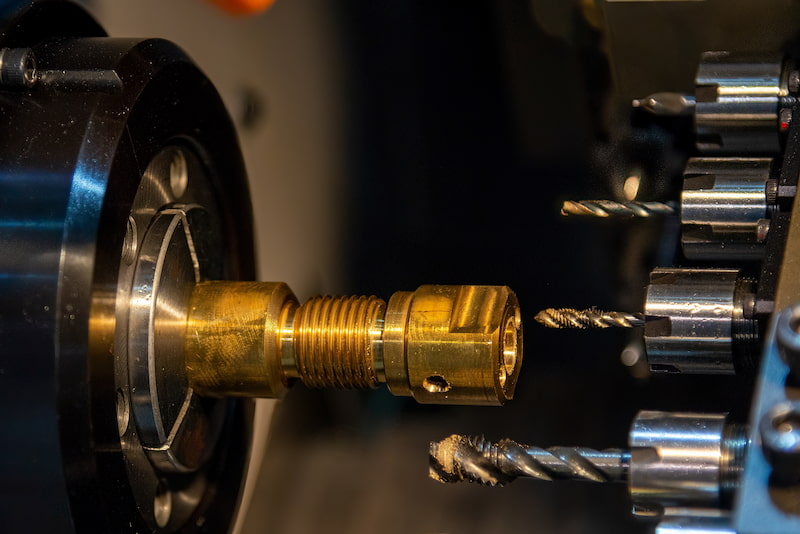
Swiss- style CNC machining, also known as Swiss screw machining or Swiss turning, is a perfection manufacturing process used for producing small, complex factors. Unlike traditional turning, Swiss- style machines feature a sliding headstock that supports the workpiece close to the slice tool. This setup provides exceptional stability, reduces deviation, and allows for extremely tight forbearance — frequently within a many microns.
The process is particularly well- suited for factors with high length- to- periphery rates, intricate vestments, and complex biographies. Common products include:
- Precision fasteners and screws
- Medical implants and surgical instruments
- Aerospace factors
- Electronics connectors and legs
- Artificial ministry factors
By keeping the workpiece supported throughout the machining process, Swiss- style CNC machines can produce corridor that are both largely precise and structurally sound.

Advantages of Swiss- Style CNC Machining
Swiss- style CNC machining offers a number of benefits that make it an seductive option for high- perfection manufacturing projects:
1. Exceptional delicacy
Because the material is supported close to the slice tool, Swiss- style machines can achieve extremely tight forbearance. This is pivotal for operations where indeed minor diversions can compromise performance, similar as aerospace fasteners, medical implants, or high- performance artificial factors.
2. Capability to Produce Complex Shapes
Swiss- style CNC machining can produce intricate features in a single setup, including vestments, grooves, and small- periphery dullsvilles. Multi-axis Swiss machines allow for indeed more complex biographies, reducing the need for secondary operations and assembly.
3. Thickness and repetition
Once a program is set up, Swiss- style CNC machines can produce thousands of identical corridor with minimum variation. This position of repetition is essential for diligence that calculate on exchangeable corridor and strict quality norms.
4. Effective Material Use
Swiss- style CNC machining is designed to minimize waste. Since the process frequently starts with bar stock, redundant material is reduced, and the small, precise cuts insure lower scrap compared to traditional turning styles.
5. Reduced Need for Secondary Operations
numerous factors can be completed in a single Swiss- style CNC setup, barring the need for secondary machining, assembly, or finishing processes. This saves time and reduces implicit crimes during product.
When to Consider Swiss- Style CNC Machining
Swiss- style CNC machining is ideal for systems that bear:
- High- Precision Components: Tolerances in the micron range and constantly accurate corridor.
- Small- Periphery, Long Parts: Components with high length- to- periphery rates, similar as perfection fasteners or shafts.
- Complex Features: vestments, grooves, and other intricate shapes.
- High- Volume product: Swiss- style machines exceed at producing large amounts of identical corridor efficiently.
- Critical Applications: Aerospace, medical, and electronics diligence where element failure is n’t an option.
still, Swiss- style CNC machining may be the most effective and dependable system to achieve the asked results, If your design aligns with these criteria.
Limitations to Keep in Mind
While Swiss- style CNC machining offers multitudinous advantages, it may not be the right fit for every design. Consider the following limitations:
- Setup Costs: Swiss- style CNC machines can be more precious to operate and maintain than conventional lathes, making them less cost-effective for low- volume or simple corridor.
- Size Constraints: Swiss machines are generally optimized for small- periphery factors; veritably large corridor may be more suited for traditional CNC turning centers.
- Technical moxie needed: Programming and operating Swiss- style machines requires professed technicians, which can impact supereminent times and product scheduling.
Understanding these limitations will help you determine whether Swiss- style CNC machining is the stylish fit for your specific design conditions.

How to Choose the Right Manufacturer
opting the right fastener specialties manufacturing mate is just as important as choosing the machining system itself. Look for a manufacturer who offers:
- pukka Processes: ISO 9001, AS9100, or other applicable instruments to insure quality and compliance.
- Swiss- Style CNC Capabilities: Advanced multi-axis Swiss lathes able of handling complex shapes.
- Material moxie: Experience with essence like titanium, pristine sword, aluminum, and brass, as well as engineering plastics.
- Quality Assurance: Robust examination processes, including CMM, ray dimension, and SPC.
- Collaboration: Design support, prototyping services, and the capability to gauge from small runs to full product.
A mate with both technological moxie and assiduity experience will insure that your design is executed efficiently, directly, and to the loftiest quality norms.
Operations Across diligence
Swiss- style CNC machining is used across a wide range of diligence:
- Aerospace: Fasteners, perfection legs, and structural factors that meet strict forbearance and safety conditions.
- Medical bias: Surgical instruments, orthopedic implants, and individual factors that bear biocompatible accoutrements and precise figure.
- Automotive: Engine factors, energy system corridor, and connectors that demand continuity and delicacy.
- Electronics: Small connectors, legs, and jackets for consumer and artificial electronics.
- Industrial Machinery: Precision shafts, bushings, and other factors essential for high- performance ministry.
These operations punctuate the versatility and critical significance of Swiss- style CNC machining in producing dependable, high- quality factors.
Allied Technologies International Inc. Experts in CNC Precision Turning
For businesses seeking high-quality CNC precision turning, Allied Technologies International Inc is a trusted mate in delivering perfection-finished products. Specializing in titanium and other advanced accoutrements , Allied Technologies International Inc combines state-of-the-art Swiss-style CNC machines with rigorous quality control to produce corridor that meet the tightest forbearance and assiduity norms. Their moxie spans aerospace, medical, artificial, and automotive operations, icing every element performs reliably under demanding conditions. Partnering with Allied Technologies International Inc guarantees perfection, thickness, and effectiveness for your most critical manufacturing systems.
Conclusion
Swiss- style CNC machining is a important tool for producing high- perfection, complex factors, particularly in operations where delicacy and trustability are consummate. For fastener specialties manufacturing and other diligence taking high- forbearance corridor, this process offers exceptional delicacy, repetition, and effectiveness. While it may involve advanced setup costs and technical moxie, the benefits frequently overweigh these considerations for systems demanding micron- position forbearance, intricate features, and harmonious performance.
When assessing whether Swiss- style CNC machining is right for your coming design, consider your part size, forbearance conditions, volume, and complexity. Partnering with a knowledgeable manufacturer who understands Swiss-style CNC processes, material selection, and quality assurance will ensure that your factors are produced with perfection, trustworthiness, and effectiveness — every time.