
Kenya eTA For Denmark Citizens
Kenya is the country of amazing contrasts where golden savannahs and turquoise coastline, modern cities and centuries-old traditions are in contact with each other. Kenya had been the dream of Denmark citizens and the country of world-class safaris, cultural diversity, and unrivaled sense of adventure.
Due to Kenya eTA (Electronic Travel Authorization), the process of traveling between Denmark and Kenya has become easier and simpler. This online system removes the complex process and enables passengers to make an online application prior to traveling. Kenya eTA will guarantee you a hassle-free beginning to your trip, whether you are a first-time traveler or a regular tourist.
In this new guide we will take you through all the information you need to know about the Kenya eTA as a Denmark citizen, including how to apply and the validity, and the best things to see and the best things to do during your visit.
Understanding the Kenya eTA for Denmark Citizens
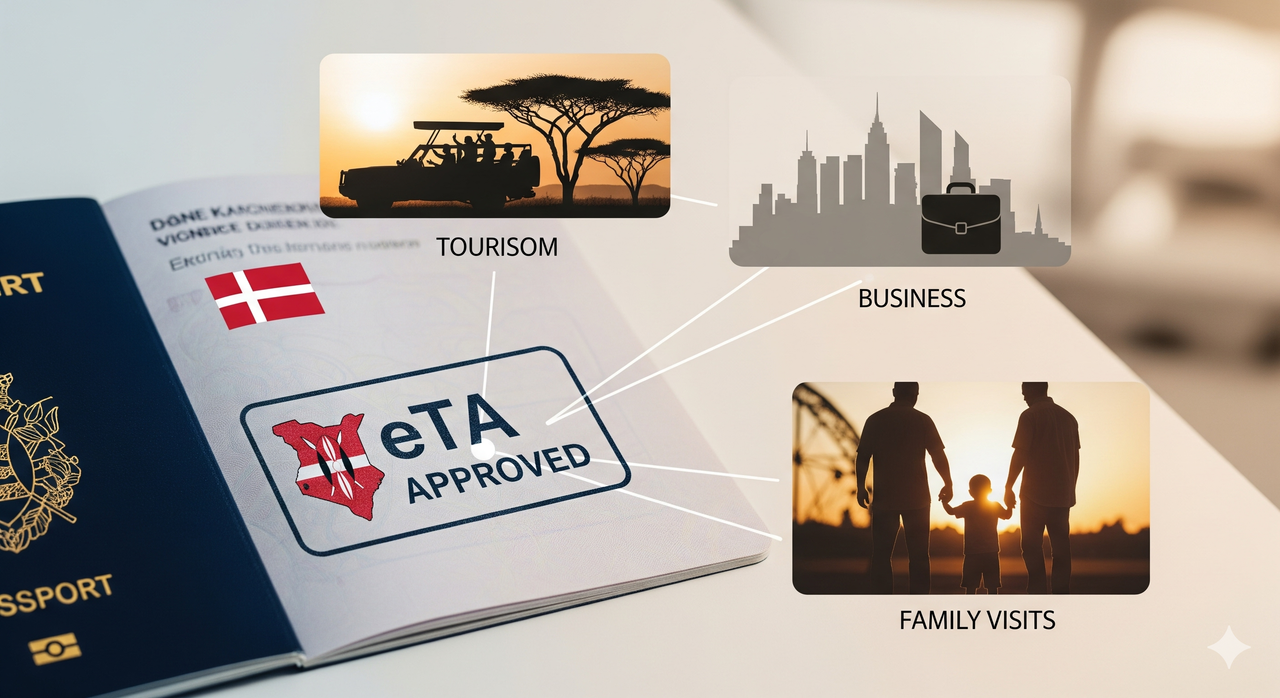
The Kenya eTA is an electronic travel authorization that is required by all Danish nationals visiting Kenya. It is also intended to be used on short term visits and is used in cases like:
- Tourism and leisure trips
- Business meetings and conferences
- Family visits and cultural exchanges
- Transit through Kenya to another destination
To the citizens of Denmark, the Kenya eTA eases the deportation to Kenya. The passport is electronically connected to the eTA after it is approved. This implies that all you have to do on arrival is to present your passport and the process is smooth and effective.
Why Danish Travelers Prefer the Kenya eTA
The Kenya eTA is not just a requirement—it’s also a convenience. Danish travelers benefit in several ways:
- No paperwork hassle – The application is fully online.
- Quick processing – Most eTAs are approved in just a few days.
- Peace of mind – You arrive knowing your entry clearance is ready.
- Flexibility – Ideal for different types of trips, whether leisure, business, or family-related.
Application Process for Denmark Citizens
Getting a Kenya eTA is simple if you know how to apply for Kenya eTA. Here’s a detailed guide:
Step 1: Prepare Documents
Danish travelers should gather:
- A valid Danish passport (valid for at least six months).
- A recent passport-style photo.
- Flight booking details.
- Accommodation proof (hotel booking or host details).
- Return or onward ticket, if required.
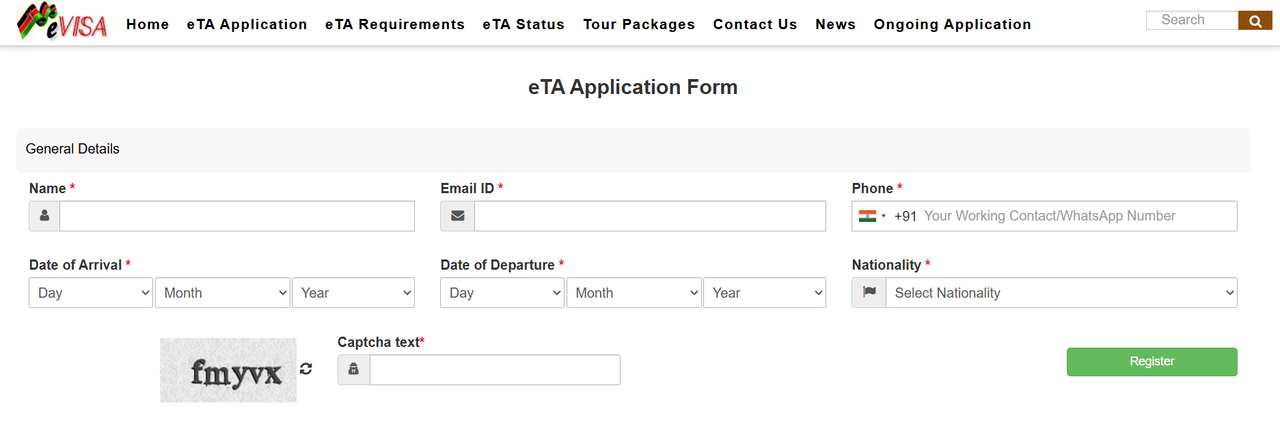
Step 2: Complete the Application Online
Fill in your personal information, passport details, and travel plans. Accuracy is important, as mistakes can cause delays.
Step 3: Pay the Processing Fee
The payment, including the Kenya ETA fee, can be completed securely online using a debit or credit card, or a digital wallet, ensuring a smooth application process.
Step 4: Receive the eTA
Once approved, the eTA is electronically connected to your passport. A copy may also be emailed to you.
Step 5: Travel to Kenya
When arriving, simply present your passport. Your eTA will be verified instantly without extra paperwork.
When is the Best Time for Denmark Citizens to Visit Kenya?
Kenya’s climate varies by region, but generally, it offers good weather throughout the year. Here are the best times:
- July to October – Perfect for safaris, especially the Great Migration in Maasai Mara.
- December to February – Dry season, excellent for wildlife viewing and photography.
- March to May – Rainy season, fewer tourists, lush landscapes, and lower prices.
- June and November – Transition months, often offering a mix of good weather and fewer crowds.
Top Travel Experiences in Kenya for Denmark Citizens
Kenya is the place of merging natural marvels with rich cultural heritage and providing Danish traveler with a great variety of memorable experiences. Kenya can offer you wildlife experience, adventure and cultural exploration whether you are an adventure, cultural tourist or a wildlife enthusiast. The following are the best places that the Danish citizens should not miss:
1. Safari in Maasai Mara
Maasai mara is the most renowned safari game park in the whole world and justifiably so. The great migration occurs between July and October and can be viewed by the Danish traveler visiting the Mara River as millions of wildebeest and zebras cross the river in search of a better pasture. In addition to the migration, the park provides all-year-round sightseeing of lions, elephants, cheetahs, giraffes and a myriad of other species. The game drive during sunrise or sunset is an indelible experience and the golden light shines on the African plains.
2. Nairobi Adventures
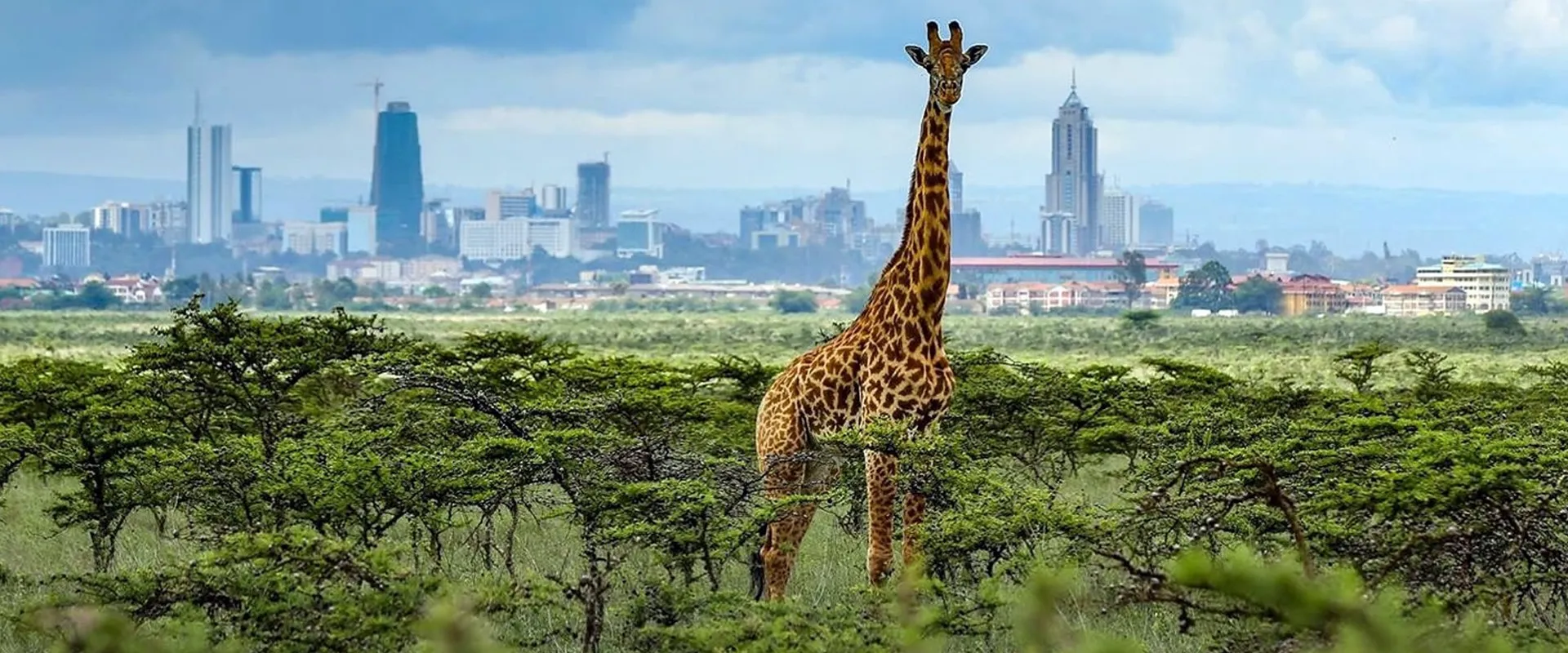
Nairobi is the entry point of many visitors of Denmark, and the city has numerous attractions itself. Nairobi national park is one of a kind since it is only a few miles off the city center and people may see lions and rhinos with tall buildings in the backdrop. The Giraffe Centre is a popular tourist destination that is close to the giraffes and the Karen Blixen Museum provides an understanding of the colonial and literary past of Kenya. The city is also an attractive destination as far as its markets are colorful and the Danish visitors can purchase handcrafted goods and souvenirs.
3. The Great Rift Valley
The Great Rift Valley which spans through Kenya includes lakes, spectacular scenery, and wildlife in great numbers. Lake Naivasha is ideal in boat rides where you are in a position to see the hippos and water birds. Crescent Island is also close to walking safari. The world-known flamingos, rhinos, and variety of birds make Lake Nakuru popular. To Danish tourists who like photography, the Rift Valley has spectacular background and an opportunity to experience nature at its most natural state.

4. Coastal Escapes
The Indian Ocean coastline in Kenya is also very enthralling. To unwind, visitors of Denmark can visit the Diani Beach, which has a white sandy beach and clear waters. Activities available are snorkeling, diving through coral reefs, kite surfing or even having a relaxing beach holiday. The ancient coastal city of Mombassa Kenya integrates culture and history with sites such as the Fort Jesus and the Old Town whereby the influence of Swahili, Arab and Portuguese merge. Malindi and Watamu have calmer beaches and marine reserves best suited to nature lovers.

5. Mount Kenya Adventures
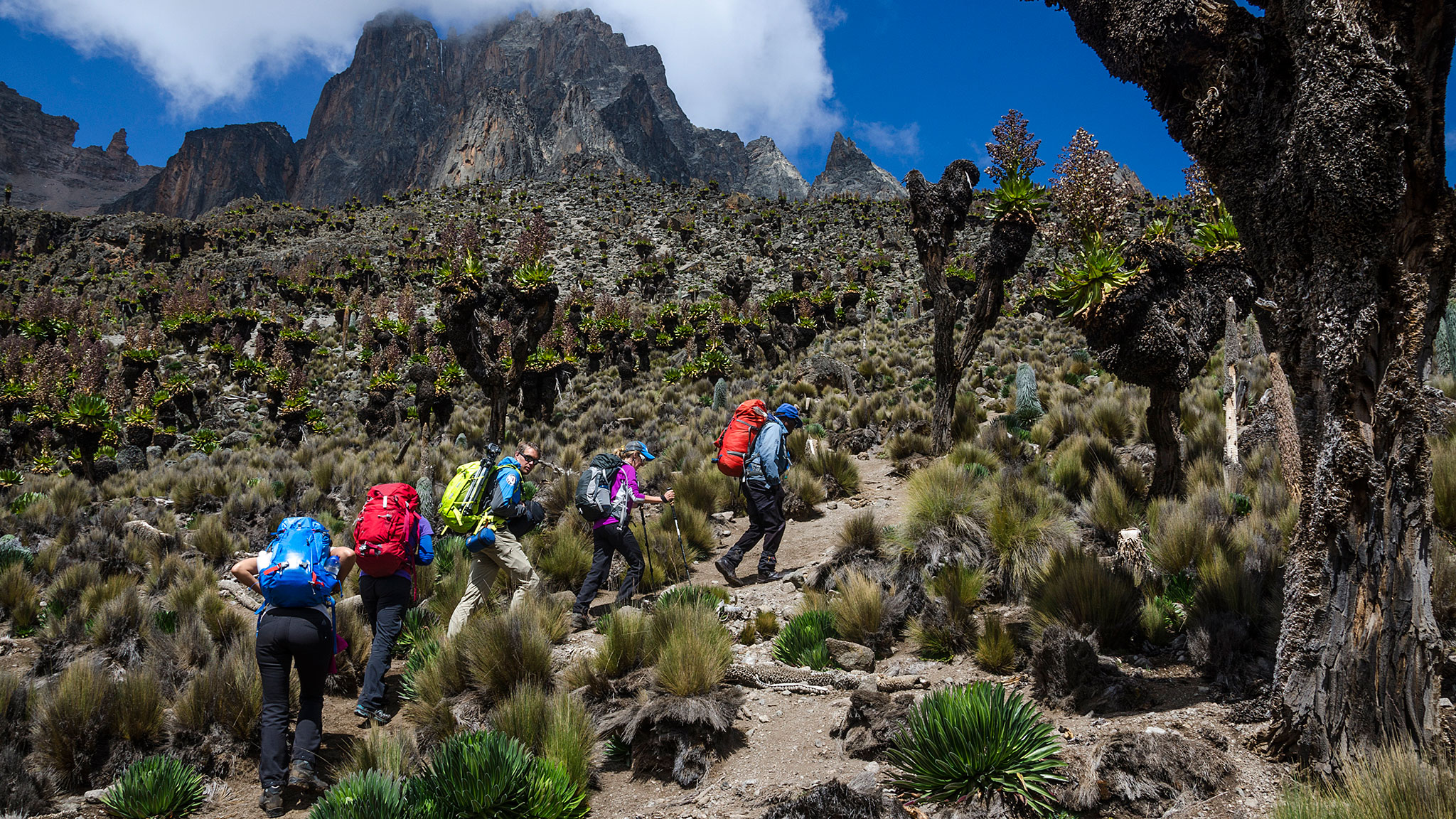
Mount Kenya presents a special adventure to those travelers in Denmark that are fond of outdoor challenges. Being the second-highest peak of Africa, it offers great trekking possibilities. The different routes are not challenging and so both advanced climbers and amateurs can have a go. Hiking through the forests, alpine meadows and rocky terrain not only gives it a physical challenge but also beautiful scenery, which includes glaciers close to the top.
6. Cultural Encounters
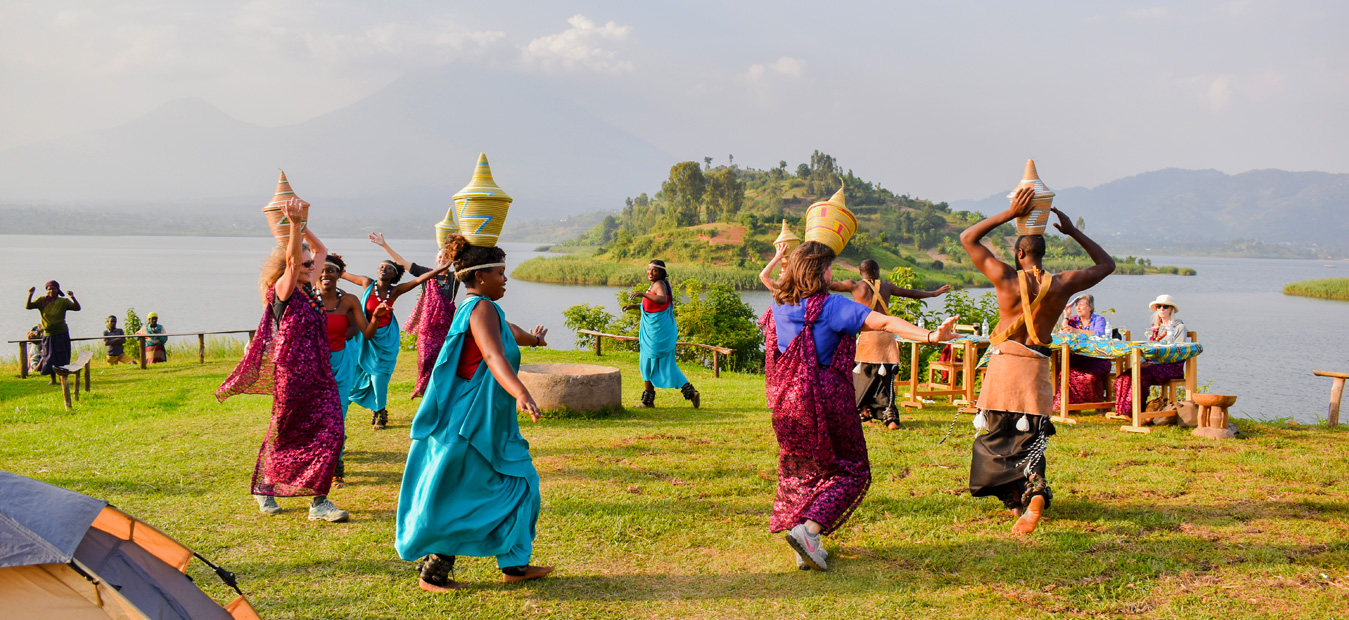
Kenya embraces over 40 ethnic groups, each of which has its traditions, music, dance, lifestyle. Maasai villages can be visited by Danish travelers to get to know of their traditions, traditional clothing as well as their pastoral way of life. Visitors to Samburu are exposed to the rich culture of a semi-nomadic community, whilst visitors to coastal areas encounter a mixture of African, Arab and Asian influences. Consumption of local ceremonies, tasting of the traditional food and exposure to the communities give the travelers a closer attachment to the country.
7. Amboseli National Park
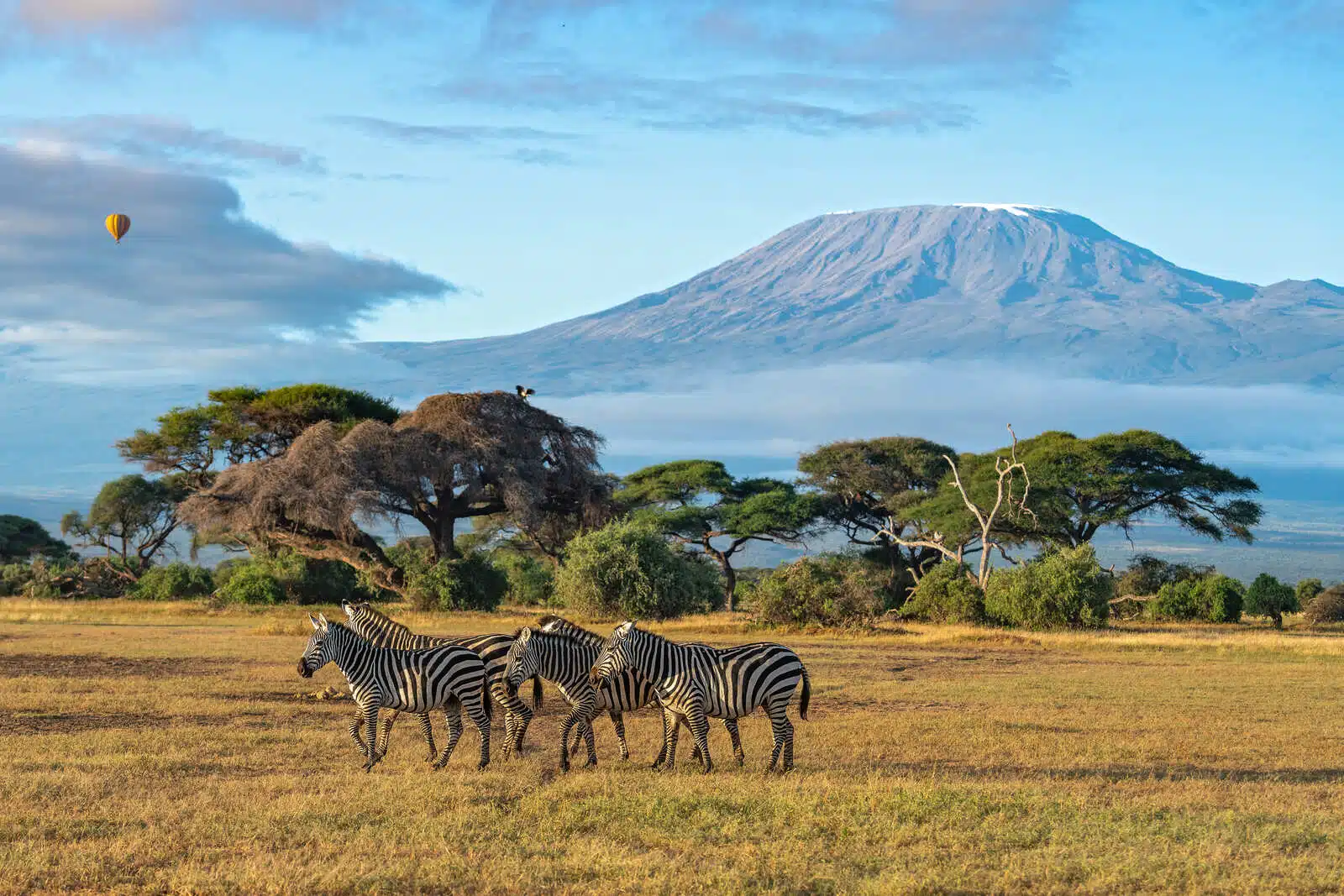
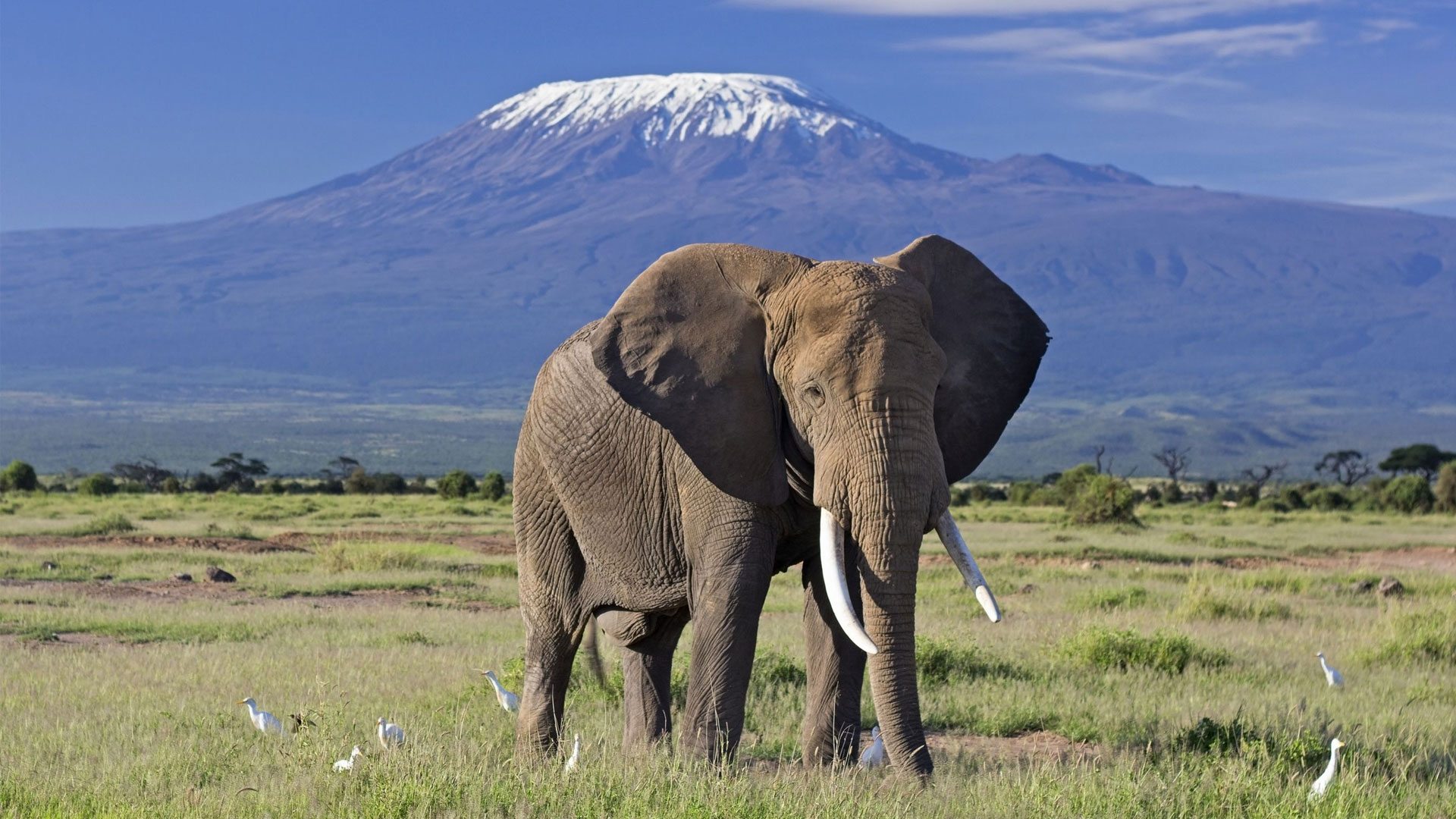
Amboseli National Park is the right place to be, in case the sighting of elephants is a priority. It is close to the border of Tanzania and is known to have large populations of elephants with Mount kilimanjaro as the beautiful background. The scenery of the park will be of particular interest to Danish photographers because images of elephants crossing the plains against the highest peak of Africa are iconic.
Travel Tips for Danish Citizens
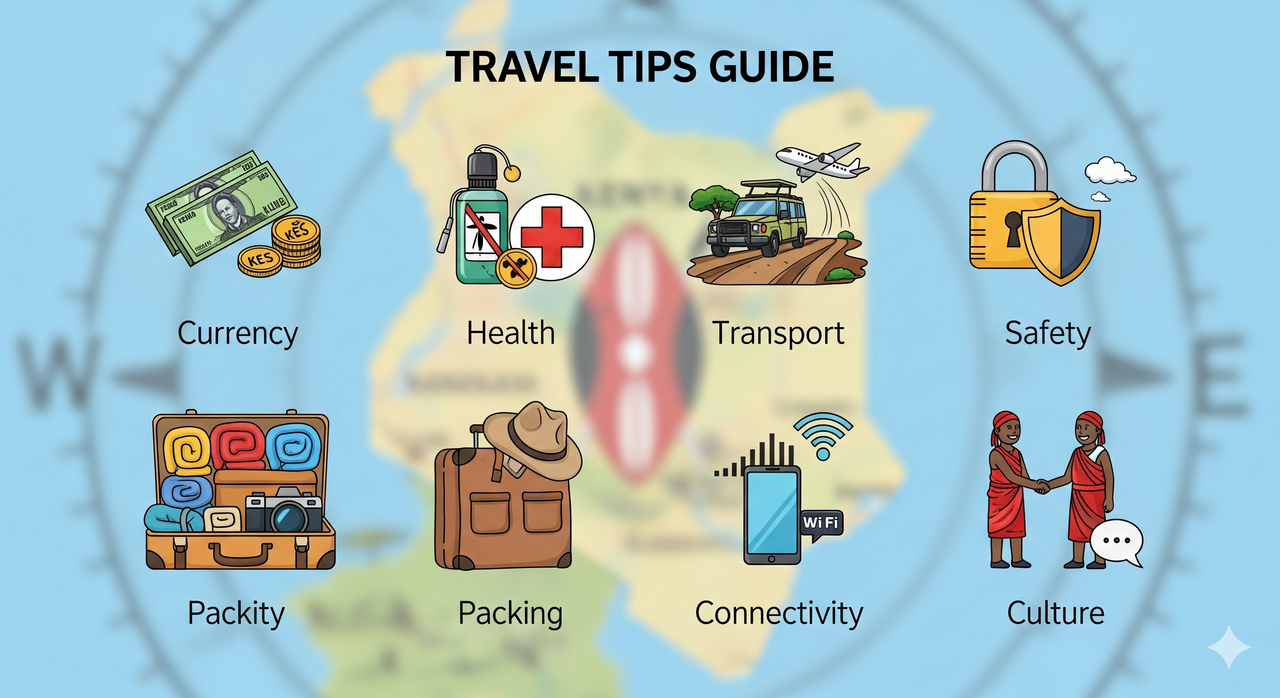
- Currency – The Kenyan Shilling is the local currency. Carry some cash for small purchases.
- Health – Check vaccination requirements, and carry anti-mosquito essentials.
- Transport – Domestic flights save time when traveling between safari parks.
- Safety – Stay alert in busy areas and use trusted transport providers.
- Packing – Lightweight clothes for the day, warm clothes for evenings, and good walking shoes.
- Connectivity – Local SIM cards are inexpensive and widely available.
- Cultural Etiquette – Greet people politely, dress modestly in rural areas, and ask before taking photos.
Conclusion
The Danish citizens are in love with Kenya as it is the ideal place to enjoy best and unique safari experiences, cultural experience, and stunning coasts. The Kenya eTA makes entry into the country a stress-free, quick, as well as easy process. Having the skills to apply online, the Danish travelers are able to get approved fast and concentrate on the most important thing, enjoying the trip.
Kenya is a place of experiences and the Maasai Mara rolling plains and the shinning beaches of Mombasa are some of the places that leave lasting memories. The Kenya eTA is to Denmark citizens not only an entry requirement but a journey to an adventure to remember.
Extended FAQs: Kenya eTA for Denmark Citizens
- Do all Denmark citizens need a Kenya eTA?
Yes, Danish travelers require an approved eTA before entering Kenya. - How long does processing take?
Usually a few days, but applying at least 7 days in advance is recommended. - Can I apply for my family’s eTA together?
Each traveler, including children, must apply separately. Parents can complete applications for minors. - Can the eTA be used for business trips?
Yes, it is valid for business visits like conferences and meetings. - What happens if I apply with incorrect information?
Mistakes may cause rejection. Always double-check before submitting. - Can Denmark citizens extend their stay?
Yes, extensions are possible inside Kenya depending on travel needs. - Is the Kenya eTA valid for multiple entries?
No, it is for single entry. A new application is needed for each trip. - What should I do if my eTA is delayed?
Most delays happen due to missing documents. Apply early to avoid stress.