
Knock Hard: Your Ultimate Guide To Training Gloves & Gear
Alright, let me tell you straight: choosing cheap gloves just to “test the waters” is a false economy. You’ll regret bruised knuckles, ruined wrists, and lost motivation. If you’re serious — or even semi-serious — about boxing, the best boxing gloves for training matter. Gear influences how fast you improve, how safe you stay, how confident you feel in the ring. For those hunting the best boxing gear for beginners, gloves are the first item you must nail. It’s that simple.
What Makes Training Gloves Different From Sparring Gloves
There’s nuance here. Training gloves are built to handle heavy bag work, pad rounds, mitt drills. Sparring gloves have extra padding, often a different shape, meant for absorbing impact from a human opponent. Don’t mix them up. Use your training gloves for punching bags and mitts, sparring gloves for practice with a partner. The best boxing gloves for training will have solid wrist support and good foam density. If they’re too sloppy or soft, you’ll damage your hands.
Material, Padding & Weight: What To Focus On
You’ll see “genuine leather,” “synthetic leather,” “multi-layer foam,” “gel inserts,” etc. Leather usually lasts longer. But decent synthetics are okay for starters. The padding must be dense yet forgiving — not mush, not rock. Weight class: for training, you’ll see options like 12 oz, 14 oz, 16 oz. Beginners often go 14 oz or 16 oz for general training—balance between protection and speed. Heavier gives more safety but slows your punches. Too light, and your hands will scream.

Wrist support is vital. Velcro straps that wrap well are better than flimsy cuffs. If your gloves wobble your wrist with every jab, you’ll hurt yourself. That’s real.
Top Picks For Best Boxing Gloves For Training (What I’d Use)
Let me drop a few gloves that deserve mention. These aren’t fluff picks—they’re ones I’d wear, or recommend to someone starting out.
- Title Gel World Bag Gloves — good all-around, nice gel padding, tough enough for heavy bag sessions.
- Everlast Pro Style Elite — budget-minded, decent for beginners hitting pads or slower bags.
- Rival RS100 Evolution — premium, close to pro level, great durability and feel.
- Sanabul Essential Boxing Gloves — solid starter gloves with nice padding, good comfort.
Each of these have strengths and trade-offs. You pick based on your budget, what kind of training you’ll do, and how serious you want to get. The best boxing gloves for training vary by person, but these are stars in the pool.
Other Essential Gear For Beginners
Beyond gloves, if you only pick one extra item — make it hand wraps. Cheap cotton wraps, 180 or 200 inches long. They protect your joints.
Next: a mouthguard. Trust me, a cracked tooth is not “part of the experience.”
Headgear (for sparring), shin guards (if you do kickboxing), good quality jump rope, boxing boots or stable shoes.
Don’t forget a gym bag, a towel, water bottle. Little things matter when training becomes regular. These are basic staples for best boxing gear for beginners.
How To Try On Gloves (Don’t Skip This)
If possible, go to a store and try gloves. Wrap your wrists first. Put them on. Clench your fist. Move around. Hit an air jab. Does your wrist feel “okay”? If it leans or bends, these gloves are no good. Try another.
If you can’t try (buying online), check return policies. Buy from places that allow exchange. Look at sizing charts. Read reviews carefully. Check real user photos.
Worst case: you’ll do your first few workouts slow and light until you confirm the gloves work.

Break-In Period & Maintenance
Don’t expect gloves to feel perfect day one. Some break-in is normal. Hit light bag rounds, then gradually increase force. A week or two might help foam “settle in.”
After every session, air them. Don’t shove them wet into your bag. Use glove deodorizers or sprinkle baking soda inside. Clean the outer surface with damp cloth (mild soap). Don’t soak or submerge.
If you’re careless, they’d stink or degrade fast. Good maintenance extends life — you want your best boxing gloves for training to last you months, years
Mistakes Beginners Make (And How To Avoid Them)
Thinking “lighter = faster = better” and ending up hurting their hands.
Buying totally cheap gloves (think “fits my budget only”) with zero support.
Never wrapping hands.
Skipping mouthguard because you “won’t get hit.”
Ignoring glove fit and ordering random sizes.
Not rotating gear (always using same gloves).
Underestimating care and smell issues.
These mistakes can ruin your early experience. Don’t fall into the trap.
Budget Options vs Premium Picks
If you’re broke, start with mid-tier glove — don’t go lowest. Spend a little but get decent gear. Mid-tier will survive more sessions and protect you.
Premium picks are nicer leather, better padding, greater durability, and better brand support. But those don’t guarantee success. If you rarely train, your expensive gloves will just sit.
Decide how serious you’re going, match gear to that. For best boxing gear for beginners, don’t overspend, but don’t underspend either. Find balance.
Where to Buy in India (or Online Safely)
In India (or wherever you are), local sports stores or specialized boxing shops are good. Try them if possible.
Online: check trusted marketplaces or dedicated boxing gear sellers. Watch shipping, customs, return policy.
Read reviews by Indian users (humidity, sweat issues, durability in tropical climates differ).
Make sure seller shows glove’s weight, dimensions, padding specs. Don’t just trust “heavy duty” labels.
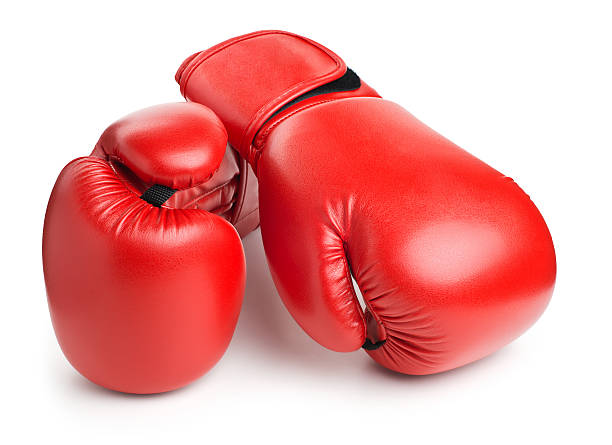
Putting It All Together: Your Starter Kit
Here’s what your first set might look like:
- One good pair of training gloves (14–16 oz)
- A pair of sparring gloves (if you spar)
- Hand wraps
- Mouthguard
- Double-end bag or heavy bag (if possible)
- Skipping rope
- Headgear (if sparring)
- A solid gym bag
Start small. Train consistently. Upgrade gear gradually. Mistakes only sting so much.
Final Thoughts & Your Path Forward
You now know what goes into choosing the best boxing gloves for training and what essential boxing gear for beginners looks like. Keep it real: don’t expect magic overnight. But with proper gear, safety, and consistency, you’ll surprise yourself.
If you want help choosing a glove from models, or customizing a starter kit, I’ve got your back. Visit Be Happy Boxing to pick gear that fits your fight style and start swinging strong. Get in, gear up, and fight smart.
FAQs
What is the best weight for training gloves for beginners?
Usually 14 oz or 16 oz works well for most adult beginners. This gives balance between protection and speed. Lighter ones (12 oz) are okay if you’re small, but risk injury.
Can beginners use the same gloves for bag work and sparring?
It’s better not to. Bag/sparring gloves have different padding and structure. If you must, at least keep extra pair for sparring. You’ll last longer, safer that way.
How long should boxing gloves last?
With good gear and care, 1–2 years for beginners is common. If you train heavily, premium gloves might last longer. But replace when foam breaks down or stitching fails.
Do I really need a headgear as a beginner?
Yes, if you plan sparring. Headgear helps reduce cuts, knocks, and gives confidence. Doesn’t prevent concussions totally, but better than bare skull.
Is synthetic leather bad?
Not always. Good quality synthetic (PU, etc.) can suffice for starters. But genuine leather is more durable, better feel long term.
What’s more important — glove or wraps?
Both are critical. A great glove with no hand wrapping is useless. Wraps protect your bones and joints; gloves add impact cushion.