
Learn More About All in Overhall Offerings and How They Meet Your Needs in Stuart, FL
When buildings struggle with uneven temperatures, high utility bills, or excessive noise, the root cause often lies in outdated or insufficient insulation. Property owners want a solution that improves comfort while reducing energy use and limiting ongoing repairs. Spray foam insulation in Stuart, FL offers a practical way to seal gaps, stabilize indoor conditions, and strengthen structures. It helps both residential and commercial properties perform more consistently throughout the year.
Spray Foam Insulation as a Reliable Solution for Stuart, FL Properties
Spray foam insulation delivers a tight seal that limits air leaks and supports temperature stability. In warm coastal regions like Stuart, this helps reduce cooling demands and keeps indoor spaces more comfortable. Many property owners also look for materials that resist moisture and last for many years. All in Overhall provides insulation systems designed to meet these expectations while keeping installations clean and efficient.
How Spray Foam Improves Building Performance
Spray foam expands to fill gaps and forms a continuous layer that controls airflow. This reduces temperature swings and lowers the load on HVAC systems. It also adds rigidity to walls and roofs, offering better resistance to wind and structural stress.
Comparison of Insulation Options
|
Insulation Type |
Air Sealing |
Moisture Resistance |
Longevity |
Ideal Use |
|---|---|---|---|---|
|
Closed-cell spray foam |
Excellent |
High |
Very long |
Roofs, exterior walls |
|
Open-cell spray foam |
Good |
Moderate |
Long |
Interiors, attics |
|
Fiberglass |
Moderate |
Low |
Medium |
Budget-focused spaces |
Services
All in Overhall offers a full range of solutions, including:
- Residential spray foam insulation
- Closed-cell spray foam
- Open-cell spray foam
- Commercial spray foam insulation
- Agricultural insulation
- Insulation removal
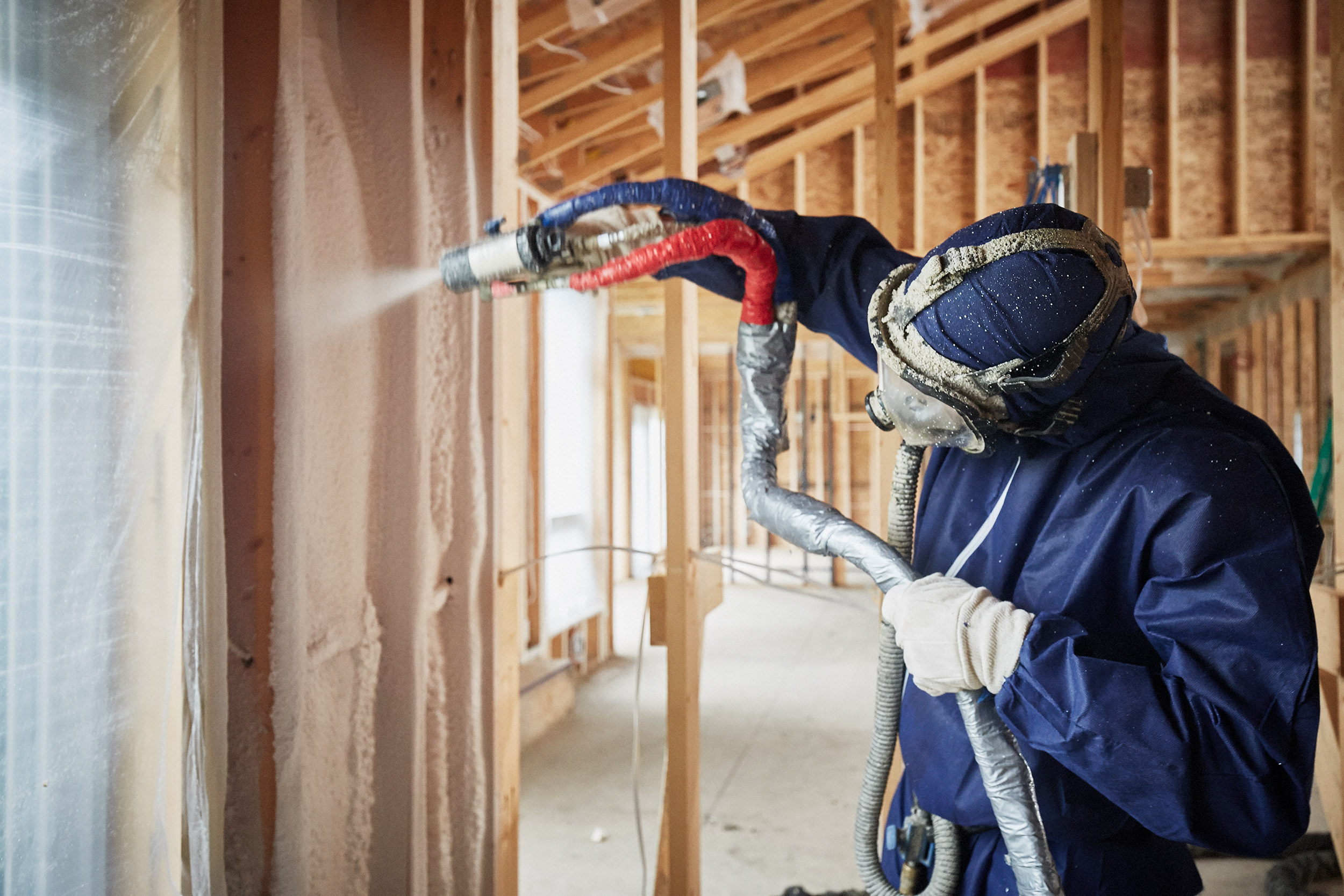
Understanding the Differences Between Closed-Cell and Open-Cell Systems
Choosing the right insulation requires understanding how each material performs. Closed-cell and open-cell spray foam share many benefits but fit different situations. Property owners who compare the characteristics can make clearer decisions that match their goals.
Closed-Cell Spray Foam
Closed-cell foam forms a dense barrier that blocks moisture and strengthens the structure. It works well in areas exposed to humidity or harsh weather. Because it creates a tight seal, it helps prevent condensation and protects building components.
Open-Cell Spray Foam
Open-cell foam expands more and provides good sound control while remaining lightweight. It is commonly used inside buildings where moisture exposure is limited. This option helps improve comfort while keeping material costs manageable.
Comparison Table
|
Feature |
Closed-Cell |
Open-Cell |
|---|---|---|
|
Density |
High |
Low |
|
Moisture barrier |
Strong |
Limited |
|
Structural support |
Yes |
No |
|
Noise reduction |
Moderate |
Strong |
Commercial Insulation Solutions for Different Building Types
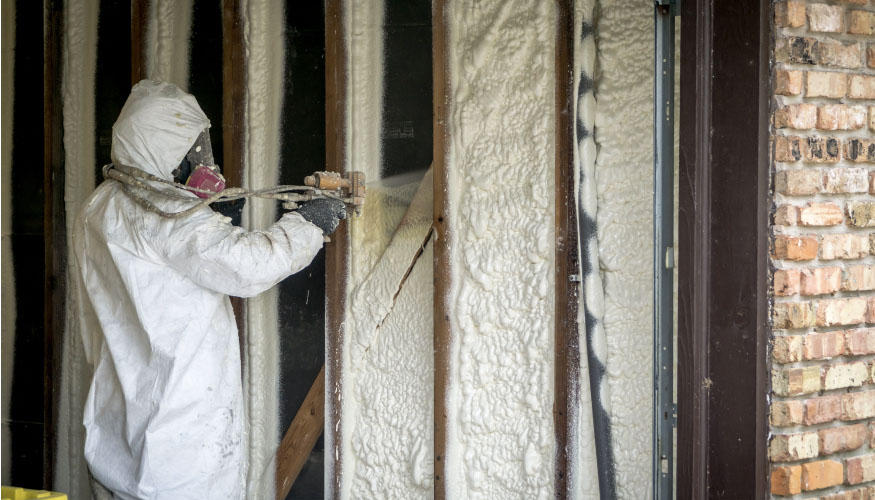
Commercial spaces often have large open areas and higher cooling needs. Spray foam helps reduce energy waste and keeps temperatures consistent across the entire building. This supports smoother day-to-day operations and creates a more comfortable environment for staff and visitors.
Key Advantages
Spray foam reduces air infiltration and helps control moisture. It also lowers the risk of mold growth and reduces the need for repairs. These qualities help buildings remain efficient and comfortable over the long term.
Common Applications
Spray foam is a reliable choice for warehouses, offices, retail areas, and industrial structures. It supports stable conditions and reduces the strain on mechanical systems.
Comparison Table
|
Criteria |
Spray Foam |
Traditional Materials |
|---|---|---|
|
Air infiltration |
Very low |
Higher |
|
Moisture control |
Strong |
Weak |
|
Installation time |
Fast |
Slower |
|
Maintenance |
Low |
Higher |
Specialized Insulation for Metal Buildings and Agricultural Structures
Metal buildings and agricultural facilities often experience rapid heat gain and condensation. Without insulation, these structures become uncomfortable and costly to cool. Spray foam helps control temperature swings and protects metal surfaces from corrosion.
Benefits for Metal Buildings
Spray foam bonds directly to metal panels, reducing condensation and preventing rust. It also improves comfort and lowers cooling expenses in large metal structures.
Advantages for Agricultural Structures
Spray foam helps maintain stable temperatures and reduces humidity. This supports healthier environments for livestock and preserves equipment and building materials.
Comparison Table
|
Option |
Air Sealing |
Moisture Control |
Durability |
|---|---|---|---|
|
Spray foam |
Excellent |
Strong |
Very high |
|
Fiberglass |
Moderate |
Weak |
Medium |
|
Reflective barriers |
Low |
Low |
Medium |
Installation Process and What Property Owners Can Expect
A transparent installation process helps property owners feel confident and prepared. Clear steps lead to consistent results and minimal disruption. Proper preparation and careful application ensure the insulation performs as expected.
Preparation
Teams inspect the space, remove old materials when needed, and clean surfaces. This creates a stable base for the foam and helps avoid issues during curing.
Application
Foam is sprayed in layers that expand and fill gaps. Once cured, excess material is trimmed to create a clean finish.
Follow-Up
Coverage and adhesion are checked before the project concludes. Property owners receive simple guidance on maintaining the insulation over time.
Common Questions
How does spray foam improve energy efficiency?
Spray foam seals gaps and limits air leakage, which reduces the workload on HVAC systems. This creates more stable temperatures and lowers energy use.
Can spray foam be used in older buildings?
Yes. It fills gaps, strengthens surfaces, and improves comfort even when older materials are present. It often delivers noticeable improvements in energy performance.
Is spray foam safe once installed?
Once cured, the material becomes stable and does not release emissions. Professional installation ensures safe handling during application.
Does spray foam reduce noise?
Open-cell foam provides strong sound absorption, while closed-cell offers moderate noise control. Both options help create quieter indoor environments.
Conclusion
Spray foam insulation contractor helps residential, commercial, and agricultural properties stay comfortable and efficient. Understanding how each type performs makes it easier to choose the right solution. Working with a dependable provider supports smooth installation and long-term results.
CTA
Good insulation supports comfort, lower energy use, and stronger structures. All in Overhall helps property owners achieve these outcomes through clear communication and careful workmanship. Call us at (561) 406-3835.
FAQs
What factors guide the best spray foam option for a property?
Building conditions, moisture exposure, and performance goals shape the choice between closed-cell and open-cell foam. Matching these factors helps achieve steady comfort and efficiency.
How long does spray foam last?
Properly installed spray foam remains stable for many years. Its resistance to air leaks and moisture helps maintain long-term performance.
Can spray foam help control humidity?
Closed-cell foam blocks moisture movement and reduces condensation. This helps maintain safer indoor conditions.
Does spray foam add structural strength?
Closed-cell foam increases rigidity in walls and roofs. This supports overall durability.
What maintenance is required after installation?
Spray foam needs minimal upkeep. Property owners should inspect surfaces occasionally and address any physical damage.
Author: Richard Hall founded ALL IN OVERHALL, Your Local Spray Foam Insulation Company in Jupiter, FL, on January 3, 2022, to provide honest and reliable insulation services across South Florida. He focuses on clear communication and careful workmanship to improve comfort and reduce energy costs.
Reviewer: Lucas Mitchell has 6 years of experience in spray foam insulation. He reviewed the article and helped refine the ideas to improve clarity and reach for homeowners seeking dependable insulation solutions.