Main Door Lock Replacement: Traditional vs Snap-Resistant Options
Replacing the main door lock is a crucial step in enhancing your home’s security. Whether you’ve recently moved into a new house, experienced a security breach, or simply want to upgrade your locks, understanding the differences between traditional and snap-resistant locks can help you make an informed decision. This article explores the features, benefits, and drawbacks of both options, guiding you through the process of choosing the best lock for your front door.
Understanding the Importance of Main Door Locks
Your main door lock is the first line of defense against unauthorized entry. It not only protects your family and possessions but also contributes to your peace of mind. A strong, reliable lock can deter burglars and reduce the risk of break-ins, while a weak or outdated lock might leave your home vulnerable.
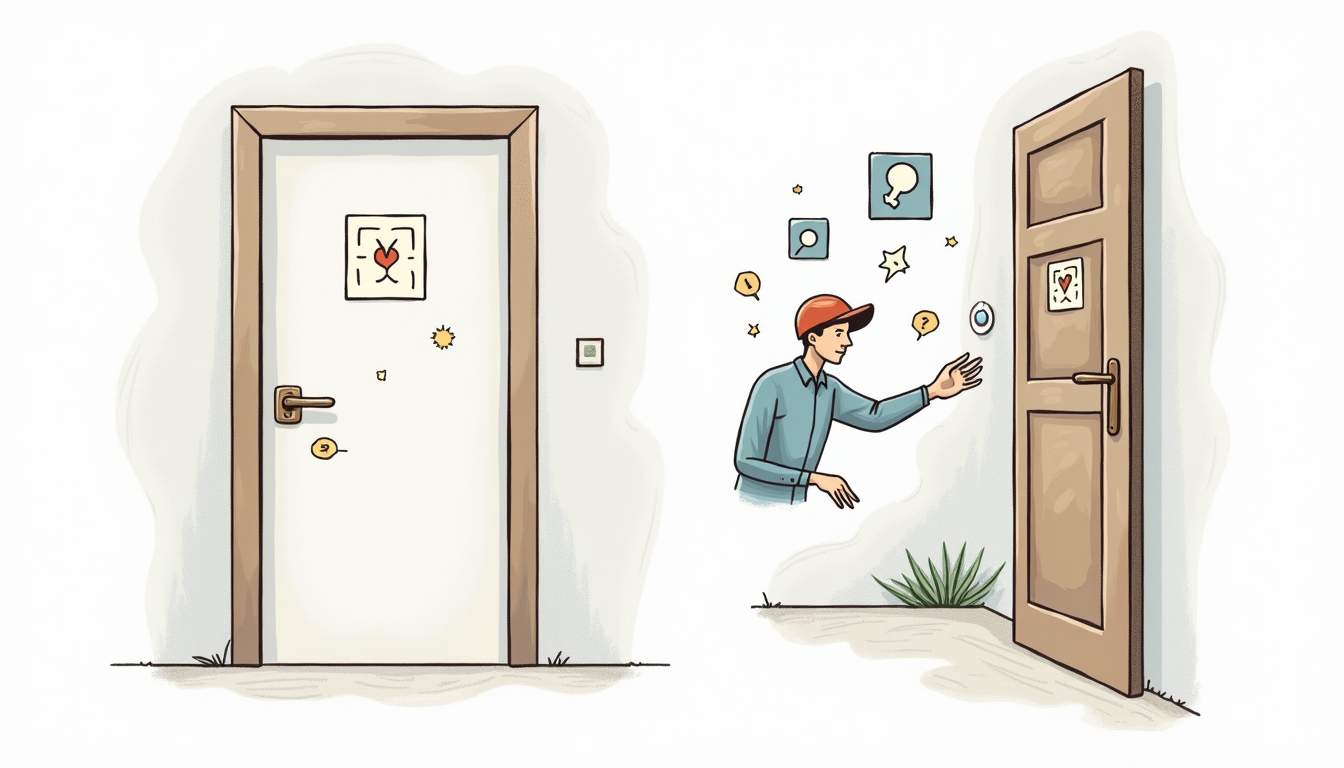
Many homeowners underestimate the significance of the lock’s design and security features. The type of lock you choose can influence how easily it can be picked, bumped, or forced open. Therefore, it’s essential to consider both the mechanical strength and the lock’s resistance to common burglary techniques when replacing your main door lock.
In addition to the physical attributes of the lock, it’s also important to consider the technology behind modern locking systems. Smart locks, for instance, offer advanced features such as remote access, keyless entry, and activity logs that can notify you of who enters and exits your home. These innovations not only enhance convenience but also provide an additional layer of security, allowing you to monitor your home from anywhere using your smartphone. However, with these technological advancements come new vulnerabilities; therefore, ensuring that your smart lock is from a reputable manufacturer and regularly updated is crucial to maintaining its security integrity.
Furthermore, the installation of your main door lock plays a pivotal role in its effectiveness. Even the most sophisticated lock can be compromised if not installed correctly. It’s advisable to hire a professional locksmith who can ensure that the lock is fitted securely and meets industry standards. Additionally, regular maintenance checks can help identify any wear and tear, ensuring that your lock remains functional and secure over time. To learn more about expert installation and reliable services, visit LockSmith Singapore website. By investing in both a quality lock and professional installation, you can significantly enhance the security of your home and safeguard your loved ones.
Traditional Door Locks: Features and Limitations
What Are Traditional Door Locks?
Traditional door locks typically refer to standard cylinder locks, such as the common Euro profile cylinder or the standard pin tumbler lock. These locks have been widely used for decades and are familiar to most homeowners and locksmiths. They work by aligning pins inside the cylinder with the correct key, allowing the lock to turn and the door to open.
Many traditional locks come in various grades, with higher grades offering better durability and resistance to physical attacks. However, despite their long-standing presence, traditional locks have some vulnerabilities that modern burglars often exploit. The simplicity of their design, while beneficial for ease of use, can also be a double-edged sword when it comes to security. For instance, many homeowners may not realize that the same basic design has been replicated across countless models, making it easier for intruders to understand and circumvent their mechanisms.
Common Vulnerabilities of Traditional Locks
One of the most significant weaknesses of many traditional cylinder locks is their susceptibility to lock snapping. Lock snapping is a method where burglars apply force to the lock cylinder, causing it to break or snap in two. This technique allows quick and easy access without the need for sophisticated tools or skills. In fact, studies have shown that lock snapping can be executed in mere seconds, making it a favored method among thieves looking to enter homes quickly and discreetly.
In addition to snapping, traditional locks can be vulnerable to lock picking and bumping. Lock picking involves manipulating the pins inside the cylinder to unlock the door without a key, while bumping uses a specially cut key to force the pins into the correct position. Both methods require some skill but are well-known among intruders. The rise of online tutorials and instructional videos has further democratized these techniques, empowering even amateur burglars with the knowledge to bypass traditional locks. As a result, homeowners are increasingly advised to consider additional security measures, such as smart locks or deadbolts, which can provide enhanced protection against these common vulnerabilities.
While traditional locks can offer basic security, their vulnerabilities highlight the need for more advanced options, especially in areas with higher crime rates or for homes requiring enhanced protection. Furthermore, the advent of technology has led to the development of hybrid locking systems that combine traditional mechanisms with electronic features, offering both the familiarity of a key and the advanced security of modern technology. These innovations not only address the weaknesses of traditional locks but also provide homeowners with peace of mind in an ever-evolving security landscape.
Snap-Resistant Locks: A Modern Security Solution
What Makes a Lock Snap-Resistant?
Snap-resistant locks are specifically designed to prevent the lock snapping technique. These locks incorporate reinforced cylinders, anti-snap lines, or protective features that make it difficult or impossible for burglars to break the lock by force.
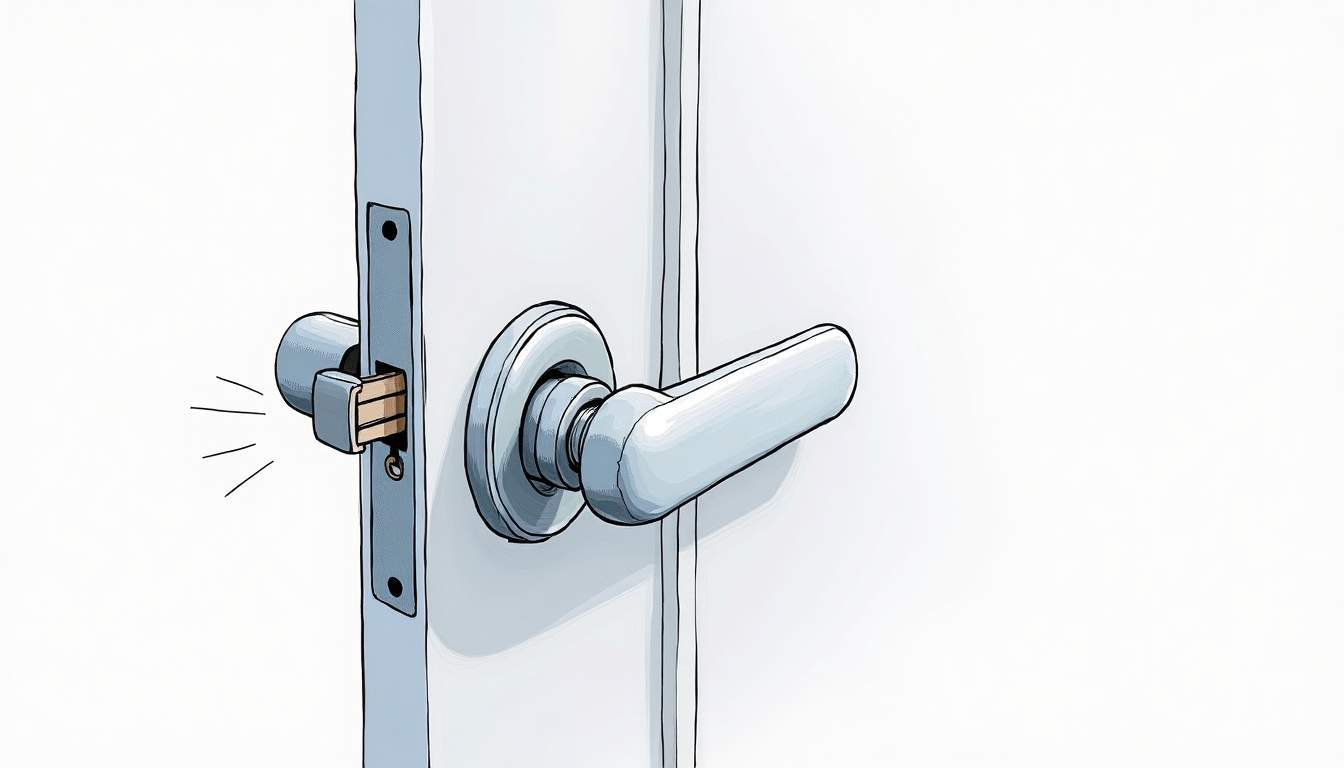
One common design includes a sacrificial section within the cylinder that breaks away under force, leaving the main locking mechanism intact and secure inside the door. Other models use hardened steel inserts or anti-drill plates to add layers of protection against physical attacks.
Benefits of Snap-Resistant Locks
The primary advantage of snap-resistant locks is their enhanced security against forced entry. By preventing the lock from snapping, these locks significantly reduce the chances of a burglar gaining quick access through brute force. This feature alone can deter many opportunistic intruders.
Additionally, snap-resistant locks often come with other security enhancements such as anti-pick pins, anti-drill plates, and bump-resistant mechanisms. This multi-layered approach makes them a comprehensive solution for modern home security needs.
Another benefit is peace of mind. Knowing that your lock is designed to withstand common burglary techniques can give you confidence in your home’s safety.
Comparing Traditional and Snap-Resistant Locks
Security Levels
When it comes to security, snap-resistant locks clearly outperform traditional locks. While traditional locks may provide adequate protection against casual attempts, snap-resistant models are engineered to resist more aggressive and sophisticated attacks.
Homeowners in neighborhoods with higher crime rates or those who prioritize security should strongly consider snap-resistant locks. They offer a robust defense that traditional locks cannot match, making them a worthwhile investment.
Cost Considerations
One factor that often influences the decision is cost. Traditional locks are generally more affordable upfront, with a wide range of prices depending on the brand and grade. Snap-resistant locks, due to their specialized design and materials, tend to be more expensive.
However, the higher initial cost of snap-resistant locks can be offset by the increased security and potential savings on insurance premiums. Many insurance companies offer discounts for homes equipped with high-security locks, which can help balance the investment over time.
Installation and Compatibility
Both traditional and snap-resistant locks are typically compatible with standard door preparations, making installation straightforward for most professional locksmiths. However, some snap-resistant models may require specific door thicknesses or additional hardware for optimal performance.
It’s essential to consult with a locksmith or security expert to ensure the lock you choose fits your door and meets your security requirements. Professional installation is also recommended to guarantee that the lock functions correctly and provides maximum protection.
Durability and Maintenance
Snap-resistant locks are often built with higher-quality materials, which can translate to better durability and longer lifespan. Traditional locks, especially lower-grade models, may wear out faster or become easier to manipulate over time.
Regular maintenance, such as lubrication and inspection, is important for both types of locks to ensure smooth operation and security. However, the robust construction of snap-resistant locks generally means they require less frequent servicing.
Additional Security Measures to Consider
Reinforced Door Frames and Strike Plates
Even the best lock can be compromised if the door frame or strike plate is weak. Reinforcing these components with heavy-duty materials and longer screws can prevent forced entry attempts that target the door’s structure rather than the lock itself.
Smart Locks and Electronic Options
For those interested in advanced technology, smart locks offer keyless entry, remote monitoring, and integration with home automation systems. While some smart locks include snap-resistant features, it’s important to verify their physical security ratings before installation.
Security Cameras and Alarm Systems
Complementing your lock upgrade with visible security cameras and alarm systems can deter burglars and provide evidence in case of an attempted break-in. These systems work best when combined with strong physical security measures.
Making the Right Choice for Your Home
Choosing between a traditional and a snap-resistant lock depends on various factors, including your budget, security needs, and the level of risk in your area. While traditional locks may suffice for low-risk environments, snap-resistant locks provide superior protection against common burglary methods.
Investing in a snap-resistant lock is a proactive step toward safeguarding your home and loved ones. When paired with reinforced door hardware and additional security measures, it creates a formidable barrier against unauthorized entry.
Ultimately, consulting with a professional locksmith can help you assess your specific situation and select the most appropriate lock. Their expertise ensures that your new lock not only fits your door but also meets the highest security standards.
Conclusion
Replacing your main door lock is more than just a routine maintenance task—it’s a critical upgrade that can significantly impact your home’s security. Traditional locks have served homeowners well for many years but are increasingly vulnerable to modern burglary techniques like lock snapping.
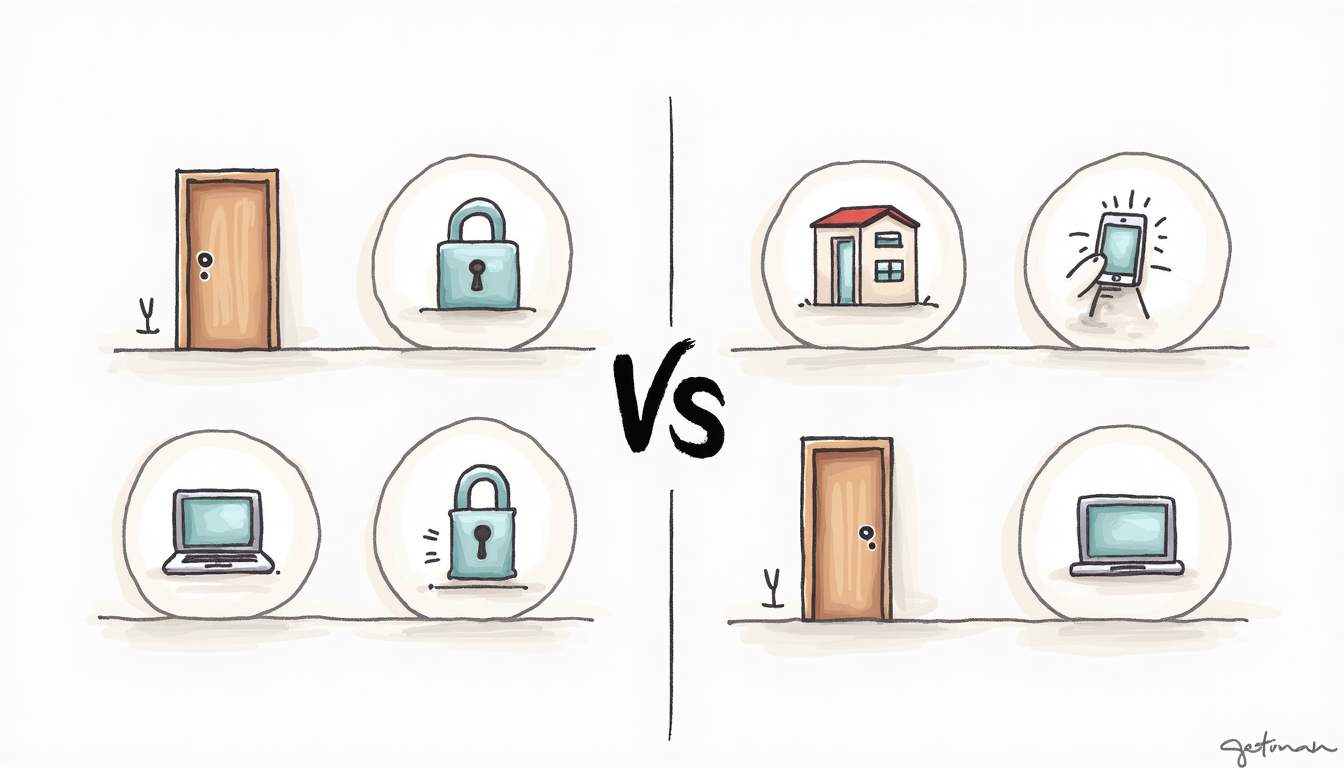
Snap-resistant locks offer a modern solution designed to counter these threats, combining physical strength with advanced security features. Although they may come at a higher price point, the benefits in terms of protection and peace of mind are substantial.
By understanding the differences between traditional and snap-resistant locks and considering additional security enhancements, homeowners can make informed decisions that enhance safety and protect their investment. Whether upgrading an existing lock or installing a new one, prioritizing security is always a wise choice.