
Managing Thermal Disruption During Retrofit Projects in New Lenox, IL Homes
Homeowners in New Lenox, IL retrofitting older houses often face a central challenge: how to manage thermal disruption effectively. The key is a combination of maintaining indoor comfort, controlling heat flow, and preserving building materials throughout the process. To do this successfully, retrofit projects must be planned with clear strategies to limit energy loss, minimize temperature fluctuations, and reduce long-term operational costs.
This guide provides practical, data-driven insights to manage thermal disruption during retrofits. It covers material choices, insulation methods, climate-specific challenges, and implementation best practices tailored for homes in New Lenox, IL.
Understanding Thermal Disruption in Retrofit Projects
Thermal disruption occurs when changes to a home’s structure—such as insulation updates, window replacements, or HVAC modifications—temporarily disturb the interior’s ability to maintain consistent temperatures. This can result in:
- Heat gain or loss during the retrofit period
- Increased HVAC loads
- Moisture accumulation and condensation risks
- Comfort complaints from occupants
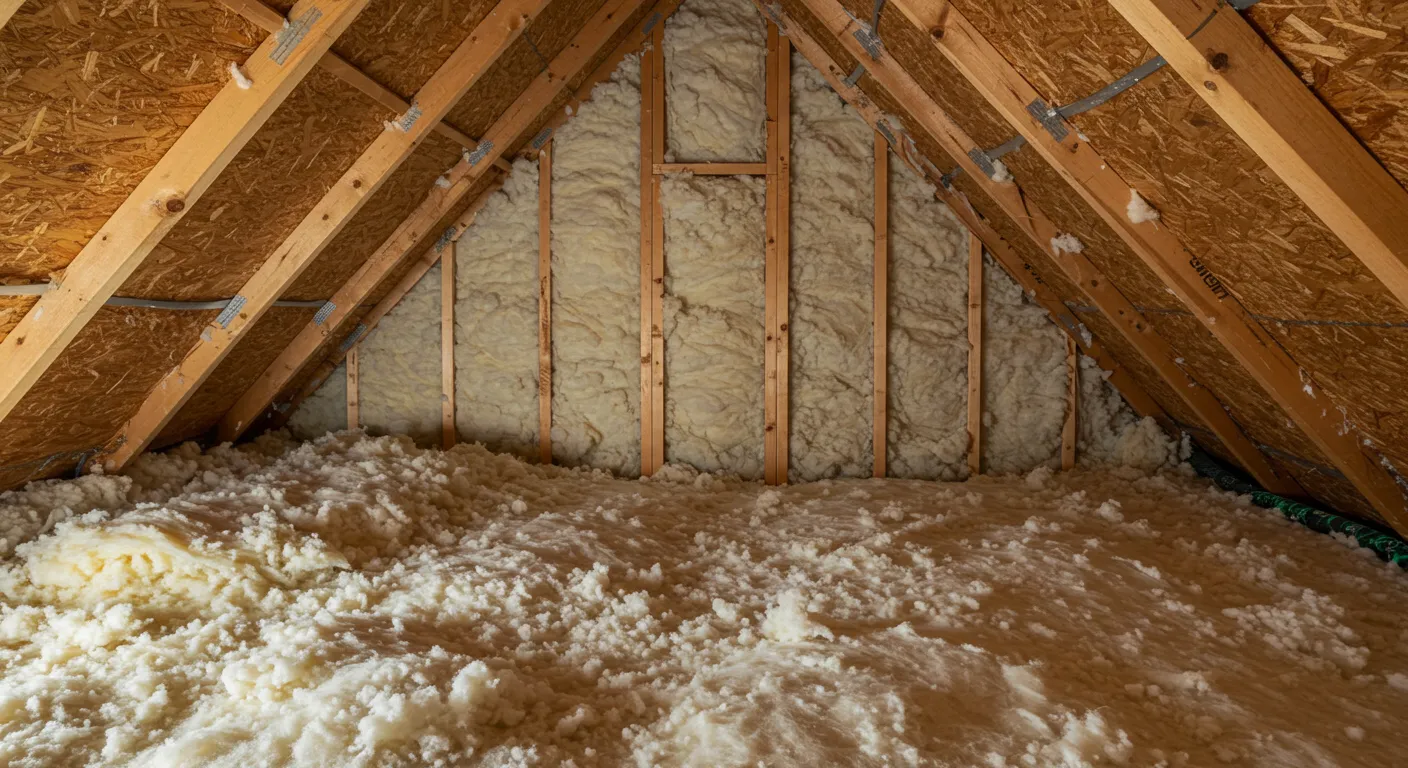
Primary Causes of Thermal Disruption in New Lenox Homes
Climate Conditions in New Lenox, IL
New Lenox experiences four distinct seasons. Winters are cold and dry, while summers are humid and hot. These extremes amplify thermal vulnerabilities during retrofits.
|
Climate Factor |
Typical Range (New Lenox, IL) |
Impact on Retrofits |
|
Winter Temps |
10°F to 30°F |
Risk of indoor heat loss |
|
Summer Temps |
75°F to 95°F |
Increased need for thermal barrier |
|
Humidity (Summer) |
65% to 85% |
Moisture control becomes critical |
|
Wind Speed (Annual) |
10–15 mph |
Drives infiltration and exfiltration |
Effective Materials to Minimize Thermal Disruption
Choosing the right insulation and air barrier materials is central to reducing disruption. Retrofit projects should use solutions that offer both high thermal resistance (R-value) and airtight sealing.
|
Material Type |
R-Value per Inch |
Air Seal Quality |
Moisture Resistance |
Application Areas |
|
Closed-cell Spray Foam |
6.0–7.5 |
Excellent |
High |
Walls, attics, rim joists |
|
Mineral Wool Batts |
3.0–3.3 |
Moderate |
Excellent |
Walls, ceilings |
|
Rigid Foam Board |
4.5–6.5 |
High |
Good |
Basement walls, exteriors |
|
Cellulose (Dense-pack) |
3.2–3.8 |
Good |
Moderate |
Wall cavities |
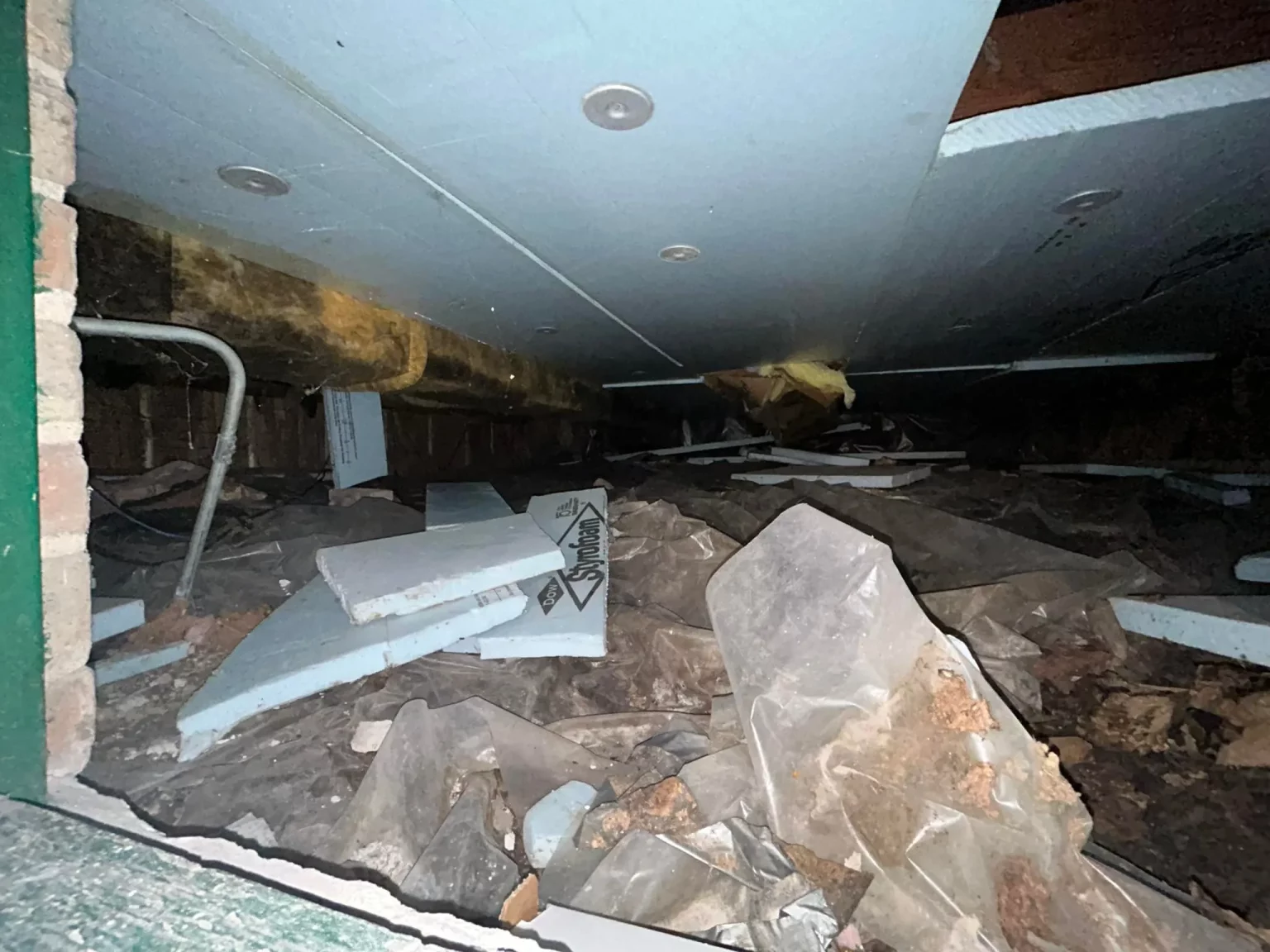
Bonus Tip: Use hybrid insulation approaches (e.g., closed-cell foam + blown-in cellulose) in complex wall assemblies to reduce disruption and improve performance.
Managing the Retrofit Process to Reduce Disruption
Step-by-Step Thermal Planning
- Thermal Imaging Assessment
Identify heat leaks before starting construction using infrared thermography. - Sequenced Work Planning
Retrofit in zones to maintain conditioned living space in remaining areas. - Temporary Air Sealing
Use plastic sheeting or temporary rigid barriers in open sections to control air movement. - Dehumidification Support
Run portable dehumidifiers in exposed areas to reduce moisture accumulation during warm seasons.
Bonus Tip: Schedule envelope retrofits during shoulder seasons (spring/fall) to avoid extreme weather interference.
Technical Data Table for Reference
|
Factor |
Target Range for Optimal Results |
|
Interior RH (Humidity) |
35–50% |
|
Indoor Temp During Retrofit |
68°F–72°F |
|
Spray Foam Curing Temp |
Minimum 40°F surface temp |
|
Continuous R-value (walls) |
R-13 to R-21, depending on location |
|
Blower Door ACH Target |
≤ 3.0 ACH50 for post-retrofit homes |
Things to Consider Before Making a Decision
- Building Age and Existing Envelope
Older homes in New Lenox may have balloon framing, making air sealing more difficult. - HVAC Compatibility
New insulation levels might require HVAC resizing or rebalancing. - Moisture Load Sources
Evaluate basement dampness, attic ventilation, and roof leaks. - Material Off-gassing and Health Impacts
Confirm product safety during and after installation, especially in occupied homes. - Cost-to-Benefit Ratio
Higher upfront costs may yield better long-term savings when thermal gains are maximized.
Bonus Tip: Consult energy audit reports to align retrofit plans with performance goals and rebate eligibility.
Common Questions
Why does my home feel drafty after some retrofits?
Unsealed gaps during partial retrofits can create new air pathways. Address all layers—walls, ceilings, and floors—to restore balance.
Is insulation alone enough to stop thermal disruption?
No. Without air sealing and moisture control, even high-R-value materials can underperform.
Do I need to move out during a retrofit?
Not always. Staged retrofitting and sealing off work zones can help you remain in the home safely.
What are the signs of poor retrofit planning?
Condensation on windows, musty odors, uneven temperatures, and increased HVAC cycling often signal thermal imbalance.
FAQ
What causes thermal disruption during a retrofit?
Exposing or modifying the thermal envelope temporarily weakens the building’s ability to regulate temperature.
How long does disruption typically last?
It varies by project scope, but most disruptions last from several days to a few weeks, depending on weather and scheduling.
Are there best seasons for retrofitting in New Lenox?
Spring and fall provide moderate temperatures that reduce HVAC stress and material constraints.
Do I need both insulation and air sealing?
Yes. Insulation resists heat transfer; air sealing stops conditioned air from escaping.
What’s the most effective material for New Lenox homes?
Closed-cell spray foam offers high R-value, excellent sealing, and moisture control—well-suited for this climate.
Summary
Managing thermal disruption during retrofit projects in New Lenox, IL homes demands careful planning, appropriate material choices, and climate-specific strategies. Identify weak points with pre-retrofit testing, choose high-performance insulation, and sequence the process to minimize comfort loss. Integrate moisture control and air sealing for lasting performance.
Ready to Achieve Consistent Comfort and Energy Efficiency?
Apply these insights now: Schedule your thermal assessment and retrofit planning session with South Chicago Insulation. Benefit from expert-guided strategies that align with your home’s unique structure and the New Lenox climate.
Contact South Chicago Insulation
📞 (779) 803-8025
📧 [email protected]
Author and Reviewer:
Author: Bob Gasca attended his first spray foam training in 2007 and has continued to pursue yearly trainings to stay current with the latest technology and practices. He is a certified Spray Foam Master Installer through the SPFA and a member of the SPFA. Additionally, Bob serves as a Spray Foam Worldwide Ambassador, sharing information with spray foam professionals globally. Recently, he returned from a building science training, where he expanded his knowledge on how weather conditions affect home performance, helping him better diagnose and improve home health for families. Bob specializes in finding solutions to complex moisture and air infiltration issues.
Reviewer: Noah Gonzalez reviewed this article and drew on 9 years of experience to offer suggestions that make the guidance more directly useful for insulation contractors.