
Maximizing Efficiency with Air Cooled Heat Exchangers
Air cooled heat exchangers are a critical thing in industrial cooling systems, designed to use up heat at once into the surrounding air. These structures function with out the want for water, making them best for regions with limited water supply. As one of the maximum sustainable heat switch products, air cooled warmness exchangers are broadly used across industries to enhance energy efficiency and decrease environmental impact. They operate by moving warmness from procedure fluids to air, supplying value-powerful and dependable cooling. The adaptability and coffee upkeep nature of these exchangers cause them to a desired preference in sectors together with strength generation, petrochemicals, and manufacturing.
How Air Cooled Heat Exchangers Work
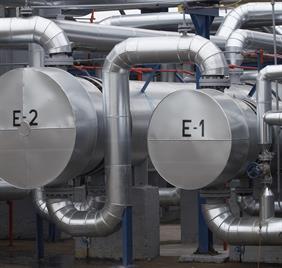
The middle precept in the back of air cooled heat exchangers is the pressured or natural movement of air across finned tube surfaces. As the hot manner fluid flows through the tubes, ambient air is drawn or pushed over the fins the use of fanatics or herbal convection. This lets in the warmth to dissipate into the atmosphere without using water-primarily based systems. Unlike liquid-cooled systems, these heat switch products do now not require additional water remedy or disposal systems, decreasing working charges and complexity. The effectiveness of these exchangers relies on right air float, tube arrangement, and fin floor place.
Key Components of Air Cooled Heat Exchangers
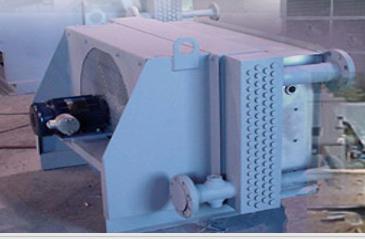
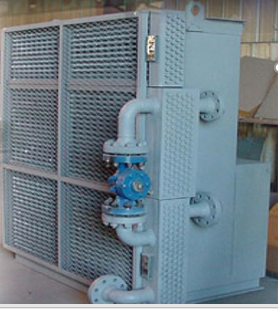
Air cooled warmness exchangers are built from numerous crucial additives consisting of finned tubes, tube bundles, plenum chambers, fans, and guide structures. Each element plays a function in enhancing thermal performance and making sure operational balance. Finned tubes growth the surface area for higher heat transfer, while fans offer the important airflow. Plenum chambers help distribute air flippantly across the package. All those additives work together to supply green thermal overall performance, making these warmness switch products crucial in critical business packages.
Advantages of Air Cooled Heat Exchangers
One of the principal blessings of air cooled heat exchangers is their potential to perform without a water supply. This substantially reduces water intake and associated remedy charges. These structures also are recognised for their ease of set up and upkeep. As passive warmth switch products, they require less infrastructure and are extraordinarily simpler to reveal. Additionally, their scalability allows them to be tailored to a huge variety of industrial strategies, making them an attractive option for organizations aiming to limit operational charges and environmental footprint.
Common Applications in Industry
Air cooled heat exchangers are applied in industries in which technique cooling is critical and water usage is restricted. They are generally seen in oil and gasoline facilities, chemical plant life, strength generation stations, and refineries. These warmth transfer merchandise are best for faraway installations or regions with limited water resources. By incorporating air as the number one cooling medium, industries benefit from continuous, price-powerful operation while complying with environmental policies. Their modular designs further decorate their versatility in each mobile and permanent setups.
Comparison with Water Cooled Systems
Compared to water cooled systems, air cooled warmness exchangers provide several operational and economic blessings. Water cooled systems frequently demand complex piping, cooling towers, and treatment facilities. In contrast, air cooled gadgets simplify the infrastructure and appreciably reduce down on water usage and associated costs. These warmth transfer products get rid of issues related to corrosion, scaling, and biological boom that regularly plague water-based totally systems. Although they’ll require large area for set up, the lengthy-term financial savings and environmental advantages outweigh the initial space requirements.
Design Considerations for Optimal Performance
Designing air cooled warmness exchangers calls for cautious attention of factors which include air float charge, ambient temperature, method fluid properties, and fin geometry. Engineers need to make sure that the fan and motor configurations are suitable for the particular operating surroundings. Material selection is important to resist high temperatures and corrosion. Choosing the proper combination of those parameters guarantees that these heat switch products supply maximum thermal performance and operational toughness. Proper orientation and format additionally play a big position in preventing hotspots and promoting uniform air distribution.
Environmental and Economic Benefits
Air cooled heat exchangers provide massive environmental blessings by using reducing water usage and minimizing the risk of thermal pollution. Since they operate the usage of ambient air, there is no discharge of heated water into local ecosystems. These heat switch products also reduce the want for chemical compounds used in water treatment procedures. Economically, they decrease power and maintenance fees, making them a sustainable investment for industrial operations. Their long lifespan and occasional operating costs make contributions to higher go back on investment while supporting corporate sustainability goals.
Maintenance and Reliability
Air cooled warmness exchangers are recognized for his or her low protection necessities. Regular cleaning of finned surfaces and inspection of fans and vehicles are typically enough to make sure smooth operation. Since there’s no touch with water, issues like scale buildup, corrosion, or microbial infection are simply eliminated. This will increase system reliability and decreases downtime. These warmth transfer merchandise are designed for continuous operation beneath varying environmental situations, similarly improving their recognition as reliable thermal control solutions.
Integration with Other Systems
Air cooled warmness exchangers may be seamlessly integrated with other thermal structures such as compressors, mills, and condensers. Their modular and scalable design lets in them to be customized to in shape inside current commercial setups. These warmness transfer products also can supplement closed-loop systems by using serving because the number one or supplementary cooling method. Their ability to perform in synergy with other device helps optimize typical technique efficiency, power utilization, and space management inside industrial facilities.
Innovations in Air Cooled Technology
Recent improvements in air cooled heat exchangers include the development of extra efficient fin geometries, variable-speed fan drives, and corrosion-resistant materials. Smart tracking structures and sensors now allow real-time performance monitoring and predictive protection. These innovations beautify the general capability of heat switch merchandise and assist industries attain higher energy efficiency and operational manipulate. Continued studies in thermal management is predicted to further evolve the performance talents of air cooled exchangers, making them even extra effective and eco-friendly.
Choosing the Right Air Cooled Heat Exchanger
Selecting the ideal air cooled warmness exchanger depends on numerous elements along with procedure requirements, ambient temperature, and set up space. Engineers and plant managers should examine heat load, desired temperature drop, and airflow traits earlier than finalizing the layout. Working with skilled design specialists guarantees that those warmth switch merchandise meet particular operational goals and safety standards. By aligning technical specifications with website situations, industries can obtain maximum efficiency and lengthy-time period reliability from their cooling systems.
Conclusion
Air cooled heat exchangers are critical in modern enterprise because of their efficiency, low environmental impact, and operational simplicity. As crucial heat transfer products, they provide reliable cooling answers without counting on water, making them mainly appropriate for faraway and arid environments. Their adaptability across diverse business packages, coupled with minimum renovation needs, positions them as a long-term, sustainable choice. By investing in incredible air cooled structures, industries can reduce expenses, make certain system reliability, and support environmental responsibility. As era continues to advance, the role of air cooled warmness exchangers in global cooling infrastructure is anticipated to grow even greater distinguished.