
Mounting Power Sockets: Do’s and Don’ts
Installing power sockets might seem like a straightforward task, but it requires careful planning and execution to ensure safety, functionality, and compliance with electrical standards. Whether you’re a DIY enthusiast or a professional electrician, understanding the best practices and common pitfalls can save you time, money, and potential hazards down the line. This comprehensive guide covers the essential do’s and don’ts of mounting power sockets, helping you achieve a safe and efficient electrical setup.
Understanding the Basics of Power Socket Installation
Before diving into the actual installation, it’s important to grasp the fundamentals of power sockets. Power sockets, also known as electrical outlets, provide a point to connect electrical devices to the building’s power supply. They come in various types and configurations, depending on voltage, current rating, and regional standards.
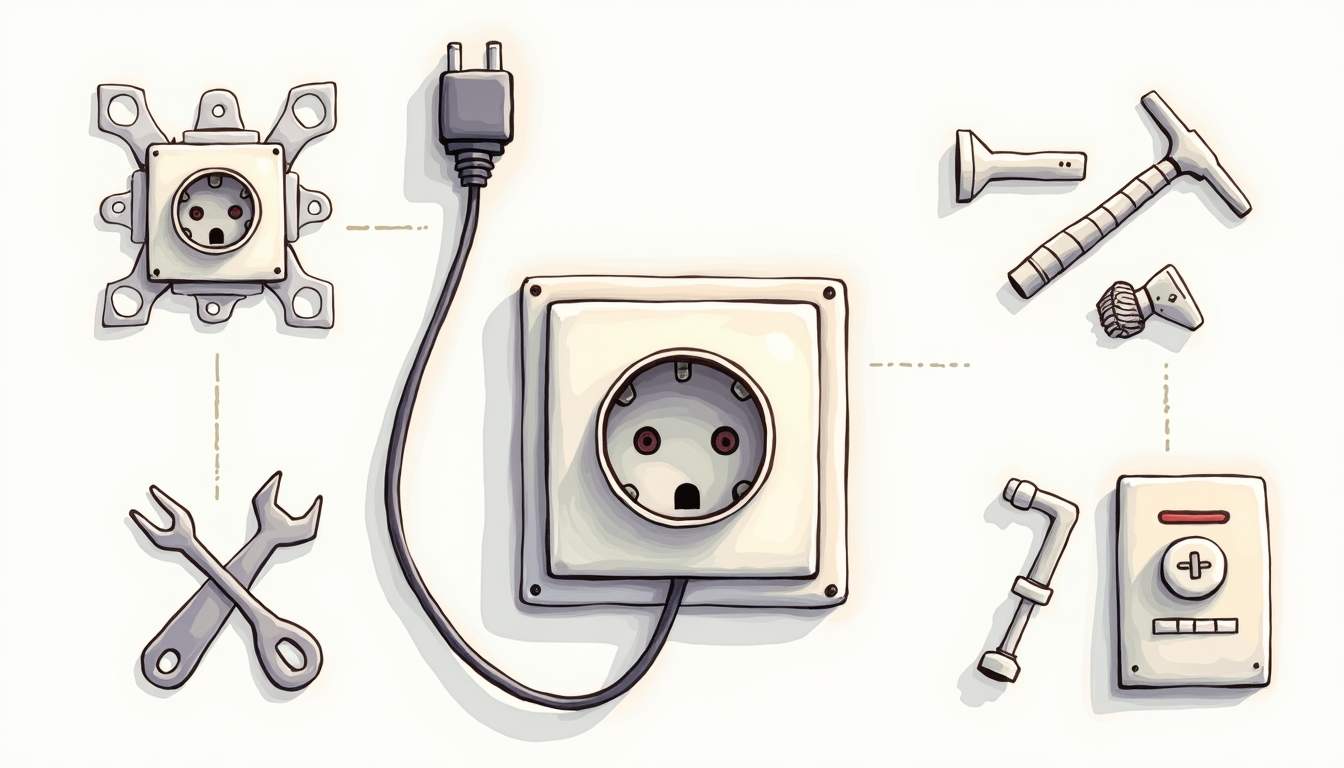
Different countries have different socket designs and safety requirements, so always ensure you’re using the correct type for your location. In addition to the physical socket, the wiring behind it must be properly rated and installed to handle the electrical load safely. Understanding the local electrical codes is essential, as they dictate not only the types of sockets that can be used but also the methods of installation to ensure safety and compliance. For reliable and professional assistance, you can visit Electrician Singapore website through the following link: https://www.electriciansingapore.org/
Choosing the Right Socket Type
Power sockets vary widely—from standard two or three-pin outlets to specialized sockets for high-power appliances. Selecting the right socket depends on the device you intend to connect and the electrical specifications of your home or building.
For example, high-powered appliances like ovens or air conditioners often require dedicated circuits with sockets rated for higher current. Using a standard socket for such devices can cause overheating and potentially lead to electrical fires. Additionally, it’s worth noting that some devices may require specific types of sockets, such as GFCI (Ground Fault Circuit Interrupter) outlets in areas prone to moisture, like kitchens and bathrooms, to enhance safety by preventing electrical shock.
Tools and Materials Needed
Having the right tools and materials is crucial for a smooth installation. Common tools include a voltage tester, screwdriver set, wire stripper, drill, and level. Materials typically consist of the power socket itself, electrical cables, mounting boxes, screws, and faceplates.
Safety gear such as insulated gloves and safety glasses should never be overlooked. Working with electricity always carries risks, and proper protection can prevent accidents. Furthermore, it’s advisable to have a circuit breaker or fuse box nearby to ensure that the power is turned off during installation, reducing the risk of electric shock. Familiarizing yourself with the layout of your home’s electrical system can also help you identify which circuits can be safely worked on without disrupting other appliances or systems.
Do’s of Mounting Power Sockets
Do Turn Off the Power Supply
One of the most critical safety steps is to switch off the power at the circuit breaker before starting any electrical work. This simple precaution can prevent electric shocks, which can be fatal. Always use a voltage tester to confirm that the power is off before touching any wires.
Do Plan the Socket Placement Carefully
Think about the practical use of the socket before installation. Consider the height, accessibility, and proximity to appliances or furniture. For example, kitchen sockets should be placed above countertops but away from water sources to avoid hazards.
In living rooms or bedrooms, sockets should be positioned where lamps, chargers, or entertainment systems will be used. Planning ahead reduces the need for extension cords, which can be a tripping hazard and cause electrical overloads.
Do Use Proper Wiring and Connectors
Always use wiring that meets the electrical code requirements for your area. The gauge of the wire should match the current rating of the circuit to prevent overheating. Use appropriate connectors and ensure all connections are tight and secure.
Loose or improper connections can cause arcing, which is a fire risk. Additionally, make sure to connect the earth wire properly to provide grounding, which protects users from electric shocks.
Do Mount Sockets at the Correct Height
The standard height for mounting sockets varies depending on the room and local regulations. Generally, sockets are installed about 30 cm (12 inches) above the floor in living spaces. In kitchens, sockets are often placed higher, around 110 cm (43 inches), to clear countertops.
Adhering to these standards ensures convenience and compliance with building codes. It also helps maintain a neat and organized appearance in your home.
Do Use Quality Sockets and Components
Investing in high-quality sockets and components can make a significant difference in durability and safety. Cheaper alternatives may not meet safety standards and can fail prematurely, leading to costly repairs or dangerous situations.
Look for sockets with certifications from recognized safety organizations. These products have undergone rigorous testing to ensure they perform reliably under normal and fault conditions.
Do Test the Installation Thoroughly
After mounting the socket and connecting the wiring, test the installation before restoring full power. Use a socket tester to check for correct wiring, grounding, and polarity. This step helps identify issues like reversed wires or missing earth connections.
Testing ensures that your installation is safe and ready for use, giving you peace of mind and preventing future problems.
Don’ts of Mounting Power Sockets
Don’t Ignore Local Electrical Codes and Regulations
Every region has specific electrical codes designed to ensure safety and standardization. Ignoring these rules can not only endanger lives but also result in fines and complications when selling your property.
Before starting any installation, familiarize yourself with the local regulations or consult a licensed electrician. Compliance with codes often includes requirements for socket placement, wiring methods, and circuit protection.
Don’t Overload Circuits
A common mistake is to connect too many devices to a single socket or circuit. Overloading can cause breakers to trip frequently and may lead to overheating of wires and sockets.
Distribute electrical loads evenly across multiple circuits and avoid using multiple extension cords or adapters from one socket. If you need additional sockets, it’s better to install new ones on dedicated circuits.
Don’t Mount Sockets Near Water Sources
Water and electricity are a dangerous combination. Avoid installing sockets too close to sinks, bathtubs, or other wet areas unless they are specifically designed for such environments and have appropriate protection like Ground Fault Circuit Interrupters (GFCIs).
In bathrooms and kitchens, use sockets with built-in safety features and ensure they are installed at a safe distance from water sources to minimize the risk of electric shock.
Don’t Use Damaged or Old Components
Reusing old sockets or wiring can be risky. Components may have deteriorated insulation, corrosion, or internal damage that compromises safety.
Always inspect and replace any damaged parts before installation. Using new, certified components reduces the risk of electrical faults and improves the longevity of your installation.
Don’t Force Wires or Overcrowd the Mounting Box
Wires should be neatly arranged without excessive bending or tension. Overcrowding the mounting box with too many wires can cause heat buildup and make it difficult to secure connections properly.
Use appropriately sized mounting boxes and avoid forcing wires into tight spaces. This practice helps maintain good electrical contact and reduces the risk of shorts or fires.
Don’t Skip the Grounding Connection
Grounding is a critical safety feature that protects users from electric shocks by providing a path for fault currents. Skipping or improperly connecting the earth wire can leave the socket unsafe.
Always ensure the grounding wire is connected firmly to the socket and the building’s grounding system. If unsure, consult a professional electrician to verify the grounding setup.
Additional Tips for a Professional Finish
Label Your Circuits
Once your sockets are installed, label the corresponding circuit breakers clearly. This practice simplifies future maintenance and troubleshooting by quickly identifying which breaker controls which socket.
Consider Future Needs
When mounting sockets, think about potential future uses. Installing extra sockets or conduits for additional wiring can save time and money if you decide to upgrade your electrical system later.
Maintain a Clean Work Area
A tidy workspace reduces the risk of accidents and makes the installation process smoother. Remove debris, keep tools organized, and clean up dust or insulation scraps regularly.
Use Faceplates That Match Your Decor
Faceplates come in various colors and finishes. Choosing ones that complement your interior design can enhance the overall appearance of the room and give your installation a polished look.
When to Call a Professional Electrician
While mounting power sockets can be a manageable DIY project for those with electrical knowledge, certain situations warrant professional assistance. If you encounter complex wiring, outdated electrical panels, or if local regulations require licensed electricians, it’s best to hire a professional.
Electricians have the expertise to handle tricky installations safely and ensure your system complies with all codes. They can also provide valuable advice on the best socket types and circuit layouts for your needs.
Remember, electrical work carries inherent risks, and improper installation can lead to serious hazards. When in doubt, investing in professional services is a wise decision.
Conclusion
Mounting power sockets correctly is essential for safety, convenience, and compliance with electrical standards. By following the do’s—such as turning off power, planning placement, using proper wiring, and testing thoroughly—you can ensure a reliable and safe installation.
Equally important are the don’ts, including avoiding circuit overloads, ignoring regulations, and neglecting grounding. Paying attention to these guidelines helps prevent accidents and prolongs the lifespan of your electrical system.
Whether you’re upgrading your home or installing new sockets, taking the time to do it right pays off in peace of mind and functionality. When unsure, don’t hesitate to consult a professional electrician to guarantee a safe and efficient outcome.