
Myanmar eVisa for Spiritual Travelers: Monasteries & Meditation Retreats
Traveling tends to start with a quest for beauty, adventure, or culture. But occasionally, it’s about something more profound—a journey within. For spiritual travelers, Myanmar is among the most inspirational places in Asia. From gilded pagodas to isolated monasteries and globally acclaimed meditation centers, the nation provides an opportunity not just to discover but also to look inwards, restart, and re-find yourself.
With the Myanmar eVisa, it is now easier to travel to this spiritual oasis. The convenient online visa application process spares tourists the hassle of visiting embassies and dealing with paperwork, free to concentrate on what matters most: spiritual immersion and self-discovery.
Let’s delve into how spiritual travelers can get the most out of their visit, from comprehending the eVisa process to uncovering monasteries, retreats, and spiritual experiences that make Myanmar unique.
Why Myanmar is a Spiritual Destination
Myanmar, sometimes referred to as the “Land of Golden Pagodas,” is richly steeped in Theravāda Buddhism. Not only are temples, stupas, and monasteries sites of historical significance—but they are pulsing centers of practice, faith, and community. The cadence of everyday life here is interwoven with spirituality: monks gathering alms at dawn, residents leaving flowers at shrines, and meditation done as automatically as eating or walking.
For travelers seeking calm and clarity, Myanmar provides an atmosphere where spiritual practice is part of everyday life. Unlike some places where spirituality has become commercialized, Myanmar’s practices remain authentic and accessible to anyone open to learning.
Legendary Spiritual Destinations for Travelers
1. Shwedagon Pagoda (Yangon)
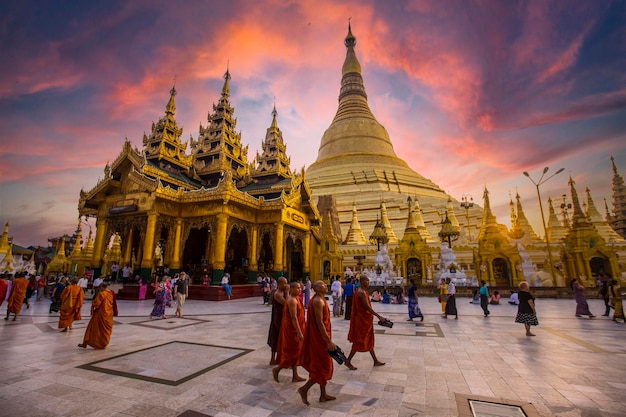
No spiritual pilgrimage in Myanmar starts without a visit to the Shwedagon Pagoda, Myanmar’s holiest place. Standing almost 100 meters tall, gold gilded and embellished with rubies and other precious stones, this pagoda is reported to contain relics of four Buddhas.
- Best Experience: Go there at sunrise or sunset when the stupa glows and locals pray.
- Spiritual Tip: Don’t rush walking clockwise around the stupa—it’s a meditation unto itself.
2. Mahamuni Pagoda (Mandalay)

This temple houses one of Myanmar’s most sacred Buddha images, wrapped in layers of gold leaf donated by pilgrims over the centuries.
- Highlight: Watch locals pressing the gold leaf onto the image—a tradition meant to represent merit and faith.
- Reflection: The atmosphere here is ideal for silent reflection.
3. Golden Rock (Kyaiktiyo)
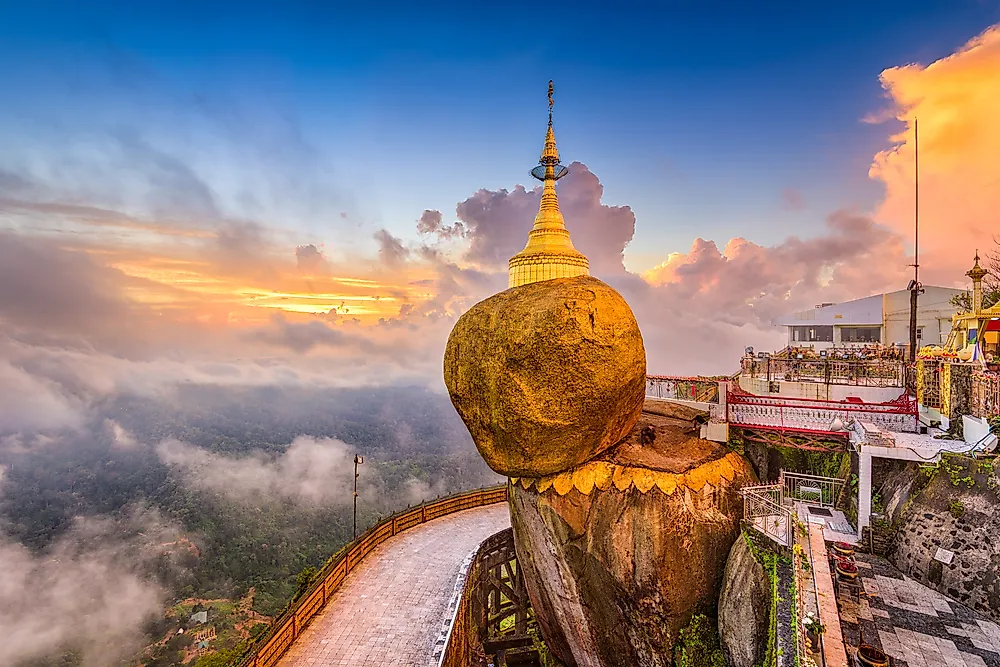
Perched precariously at the edge of a cliff, Golden Rock Pagoda is both a pilgrimage destination and a natural wonder. Sheathed in gold leaf, it seems to hang in mid-air.
- Spiritual Vibe: Ascending to the summit, usually after a hike or a truck ride, is truly a pilgrimage experience.
Meditation Retreats in Myanmar
Meditation isn’t reserved for monks here—it’s a part of everyday life, and visitors are invited to take part. Myanmar is renowned for its Vipassana meditation retreats, where silence and awareness are the only things that come first.
1. Mahasi Meditation Center (Yangon)

One of the world’s most renowned meditation centers, Mahasi provides guided Vipassana retreats. Foreign visitors are led by teachers, with staff members speaking English.
Duration: Retreats vary from a few days to several months.
- Experience: Be prepared for silence, mindful walking, sitting meditation, and plain monastic-style living.
2. Pa-Auk Tawya Meditation Center (Mawlamyine)

This forest monastery specializes in practice of both concentration (samatha) and insight (vipassana) meditation.
- Atmosphere: Peaceful and natural, ideal for those who prefer to practice in depth in a quiet environment.
3. Panditarama Meditation Center (near Yangon)

Established by Sayadaw U Pandita, this center is an intensive practice place for meditation. Simple accommodations are available, as well as guidance, to international meditators.
Life in Monasteries: Immersive Experiences
Staying in a monastery for more than short retreats offers a close-up look at Buddhist life.
- Daily Routine: Early wake-ups (usually 4 a.m.), chanting, meditation, and simple vegetarian meals in silence.
- Cultural Exchange: Foreign visitors are usually invited to many monasteries for short visits, which provide both learning and cultural exchange.
- Respect: The guests should dress modestly, obey rules, and come with humility.
Why Use an eVisa to Visit Myanmar?

For backpackers, spontaneity is the best thing. In the past, obtaining a visa required weeks of waiting and embassy visits, which may ruin last-minute travel arrangements. It’s easy using the Myanmar eVisa Application:
- Apply online: On the official website, enter your details and attach supporting documentation.
- Fast Approval: Typically, approvals are granted in three working days.
- Cost-effective: You save money on embassy trips and the expenses are minimal.
- Entry Points: Major airports (Yangon, Mandalay, and Nay Pyi Taw) and select land border crossings from Thailand accept the eVisa.
Tips for Spiritual Travelers
- Dress Modestly: Dress shoulders and knees when visiting religious places. White dressing is favored at retreats.
- Silence is Golden: Silence is put forward by most meditation centers as a means to intensify practice.
- Keep an Open Mind: Myanmar’s traditions may be different from what you’re used to. Enter with curiosity, not judgment.
- Be Patient: Facilities at monasteries are simple—this simplicity is part of the spiritual practice.
- Participate Respectfully: Whether offering alms to monks or joining prayers, do so with sincerity.
Beyond Monasteries: Other Spiritual Encounters
- Alms Rounds: Watching monks walk barefoot through streets at dawn to collect offerings is a humbling reminder of simplicity.
- Village Temples: Small community temples, frequently missed by travelers, provide close experiences of community religion.
- Meditation by the River: Various locations, particularly in Inle Lake or Hsipaw, have peaceful areas where one can meditate outside among nature.
In Myanmar, spirituality isn’t performed for tourists—it’s real. From the bowing of people in front of pagodas to the solemn commitment of nuns and monks, there’s a gritty authenticity that inspires. For tourists who look for more than just looking, Myanmar gives room for introspection, change, and tapping into something beyond themselves.
Final Thoughts
Myanmar is more than a place of cultural discovery—it’s a refuge for the soul. Its thriving monasteries, open meditation facilities, and deeply embedded Buddhist customs serve as a call to pause, inhale, and introspect.
The Myanmar eVisa brings the experience within reach, but the true adventure starts when you set foot on temple campuses, attend a meditation retreat, or sit in quiet contemplation under a Bodhi tree and see the world drift into a slower pace.
For pilgrims of spirit, Myanmar has more to give than memories—it has awakenings. And those awakenings, taken back home, could endure a lifetime.