
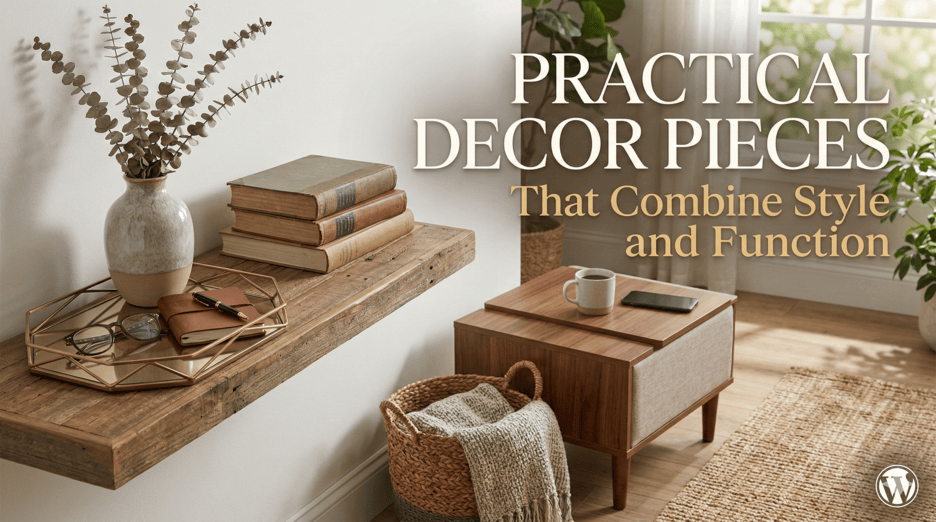
Practical Decor Pieces That Combine Style and Function
The modern approach to interior design has shifted significantly toward “intentional living.” Gone are the days when shelves were lined with dust-gathering trinkets that served no purpose other than filling space. Today, the most sophisticated homes are defined by items that offer both aesthetic value and daily utility. This synergy ensures that every square inch of a living environment remains breathable yet highly efficient.
When selecting furniture, the focus often lands on versatility. For instance, metal side tables have become a staple in contemporary apartments. These pieces provide a sleek, industrial edge to a room while serving as durable surfaces for coffee, books, or lamps. Unlike bulky traditional furniture, their slim profiles allow for easy movement and adaptation to changing layouts. For those looking for high-quality architectural or metal elements to enhance their space, checking out resources like https://alumproject.com/ can provide inspiration for modern structural solutions.
The Evolution of Functional Interior Design
Historically, furniture was either utilitarian and plain or ornate and fragile. The middle ground—where durability meets high-end design—is where modern homeowners find the most value. This evolution is driven by the shrinking size of urban living spaces and a growing appreciation for minimalism.
Finding Balance Between Beauty and Utility
To achieve a harmonious home, one must evaluate decor through a dual lens. Ask yourself: Does this look good, and does it make my life easier? Unlike purely ornamental objects that require constant maintenance and consume valuable square footage, functional decor actively contributes to the room’s flow.
Consider these primary differences:
- Maintenance Needs: Purely decorative items often require delicate cleaning, whereas functional pieces are built for regular use.
- Spatial ROI: A functional item justifies its footprint by solving a problem, such as storage or lighting.
- Longevity: Practical pieces are usually built to withstand daily use.
- Multi-purpose Lighting: Floor lamps that include integrated shelving or USB ports.
- Storage Ottomans: Seating that hides away seasonal linens or toys.
- Statement Wall Hooks: Using sculptural hardware to organize coats as if they were art.
Selecting Materials for Long-Term Value
Material choice is the foundation of any piece that claims to be both stylish and practical. While wood adds warmth, metal and glass introduce a sense of lightness and modernism that is hard to replicate. The choice of raw materials dictates not only the look of the room but also how well the furniture performs over several years of use.
The Industrial Appeal of Metal Elements
High-grade metals are no longer reserved for structural support; they are now the stars of the living room. Their resistance to wear and tear makes them ideal for high-traffic areas. When you incorporate elements like aluminum frames or steel accents, you aren’t just buying furniture; you are investing in a lifetime of use.
Beyond durability, these materials are remarkably easy to maintain. A quick wipe-down keeps them looking pristine, which is essential for a busy household where time is a premium commodity. Integrating these textures creates a “professional” feel that mimics high-end boutique hotels or modern office spaces, bridging the gap between residential comfort and commercial-grade resilience.