Professional Solutions for Sliding Door Roller Replacements
Sliding doors offer a sleek, space-saving solution for both homes and commercial spaces. But when those smooth glides turn into frustrating jerks or complete stalls, the culprit is often the rollers. Replacing sliding door rollers might seem straightforward, but it requires the right knowledge, tools, and approach to ensure lasting results. This article dives deep into professional solutions for sliding door roller replacements, helping you understand what’s involved and how to get the job done right.
Why Sliding Door Rollers Fail and When to Replace Them
Sliding door rollers bear the entire weight of the door, allowing it to move effortlessly along its track. Over time, these rollers endure constant friction, dirt buildup, and exposure to moisture, which can cause wear and tear. When rollers wear out, you’ll notice the door becoming difficult to open or close, making loud noises, or even coming off the track completely.
Common signs that indicate it’s time to replace your sliding door rollers include:
- Door sticking or dragging along the track
- Visible wobbling or uneven movement
- Loud grinding or squeaking noises
- Door misalignment or difficulty locking
- Visible damage or corrosion on the rollers
Ignoring these signs can lead to more serious damage, such as track deformation or door frame issues. Early replacement of rollers not only restores smooth operation but also extends the overall life of your sliding door system.
In addition to the physical wear on the rollers themselves, environmental factors can exacerbate the deterioration process. For instance, sliding doors in coastal areas may experience accelerated corrosion due to saltwater exposure, while those in humid climates can suffer from rust and mold. Regular maintenance, such as cleaning the tracks and lubricating the rollers, can help mitigate these effects and prolong the life of your sliding door system. It’s also advisable to inspect the rollers periodically, especially after extreme weather conditions, to ensure they are functioning properly.
When considering replacement, it’s essential to choose high-quality rollers that match your door’s specifications. There are various types of rollers available, including those made from nylon, steel, or even composite materials, each offering different benefits in terms of durability and noise reduction. Investing in premium rollers can significantly enhance the performance of your sliding door, providing a smoother glide and reducing the likelihood of future issues. Furthermore, if you’re unsure about the installation process, consulting a professional can ensure that the rollers are fitted correctly, maintaining the integrity of the door system and preventing further complications down the line. To get expert assistance, you can visit PS Handyman Singapore for professional roller replacement and maintenance services.
Types of Sliding Door Rollers and How to Choose the Right One
Not all sliding door rollers are created equal. The type you need depends on your door’s design, weight, and track system. Selecting the wrong roller can lead to poor performance or even damage to the door and frame.
Common Roller Types
Steel Ball Bearing Rollers: These are durable and designed for heavy doors. The ball bearings reduce friction, allowing for smooth and quiet operation. They are often sealed to protect against dust and moisture.
Plastic or Nylon Rollers: Lightweight and quieter than steel, these rollers are popular for residential sliding doors. However, they may wear out faster under heavy loads or frequent use.
Steel or Stainless Steel Rollers: Known for strength and corrosion resistance, stainless steel rollers are ideal for exterior doors exposed to the elements.
Factors to Consider When Choosing Rollers
- Door Weight: Heavier doors require sturdier rollers with higher load ratings.
- Track Compatibility: Rollers must fit the existing track profile and size.
- Material and Durability: Consider the environment-outdoor doors benefit from corrosion-resistant materials.
- Adjustability: Some rollers come with adjustable heights to help align the door perfectly.
Consulting the door manufacturer’s specifications or a professional installer can save time and prevent costly mistakes.
Step-by-Step Guide to Professional Sliding Door Roller Replacement
Replacing sliding door rollers isn’t just about swapping parts. It involves careful handling to avoid damaging the door or track. Here’s a detailed walkthrough of the process professionals follow to ensure a seamless replacement.
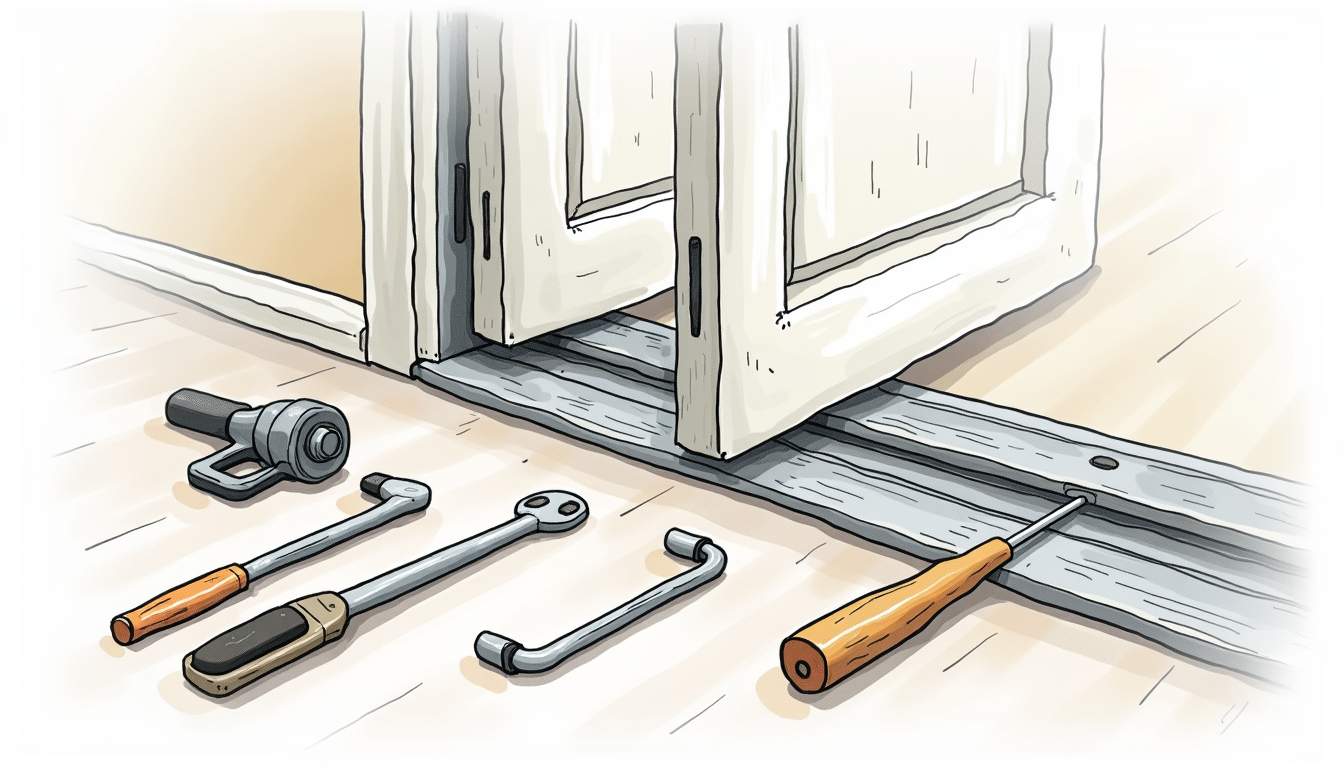
1. Preparing the Work Area
Start by clearing the area around the door. Remove any rugs, furniture, or obstacles that might interfere with the process. Lay down protective coverings if necessary to prevent scratches or damage to flooring.
2. Removing the Sliding Door
Most sliding doors lift off their tracks once the rollers are disengaged. To remove the door:
- Lift the door upwards to clear the bottom track rollers.
- Pull the bottom of the door away from the track and tilt it out carefully.
Sliding doors can be heavy, so having a helper is recommended to avoid injury or damage.
3. Inspecting the Track and Door Frame
Before proceeding, check the track for debris, dents, or warping. Clean the track thoroughly using a brush and vacuum. Minor dents can sometimes be smoothed out with a rubber mallet. Ensuring the track is in good condition is crucial for the new rollers to function properly.
4. Removing Old Rollers
Locate the roller housing, usually found at the bottom edge of the door. Depending on the door model, you may need to remove screws or clips holding the rollers in place. Carefully extract the rollers, noting their orientation and attachment method for reference.
5. Installing New Rollers
Insert the new rollers into the housing, securing them with screws or clips as required. If the rollers are adjustable, set them to a middle height to start. This allows for fine-tuning once the door is back on the track.
6. Reinstalling the Sliding Door
With the new rollers in place, lift the door back onto the track. Align the rollers with the bottom track and gently lower the door until it rests securely. Test the door’s movement, adjusting the roller height screws to ensure the door glides smoothly and sits evenly within the frame.
7. Final Adjustments and Testing
Open and close the door several times to check for smooth operation. Listen for any unusual noises and inspect for wobbling or sticking. Adjust roller heights as needed to eliminate gaps and ensure proper alignment with the door frame and locking mechanisms.
Common Challenges and How Professionals Overcome Them
While the process may sound straightforward, several challenges can arise during roller replacement. Experienced professionals anticipate these issues and come prepared with solutions.
Corroded or Stuck Rollers
Years of exposure can cause rollers to rust or seize in their housings. Professionals use penetrating lubricants and specialized tools to free stuck rollers without damaging the door. In extreme cases, partial disassembly of the door frame may be necessary.
Damaged or Warped Tracks
If the track is bent or damaged, simply replacing rollers won’t restore smooth operation. Professionals assess the track condition and recommend repair or replacement if needed. Sometimes, tracks can be reshaped or reinforced, saving time and cost.
Incorrect Roller Fit
Using rollers that don’t match the door’s specifications can cause poor performance or damage. Professionals measure and verify roller dimensions, load capacity, and compatibility before installation. They may source custom or OEM parts to ensure the perfect fit.
Door Alignment Issues
Sliding doors must be perfectly aligned for security and ease of use. Professionals use leveling tools and adjustable rollers to fine-tune the door’s position. This prevents issues like air leaks, difficulty locking, or uneven wear on components.
Maintenance Tips to Extend the Life of Sliding Door Rollers
Once new rollers are installed, maintaining them properly can save you from frequent replacements and costly repairs. Here are some expert tips to keep your sliding door rollers in top shape:
- Regular Cleaning: Dirt and debris in the track can accelerate roller wear. Clean the track monthly using a vacuum and damp cloth.
- Lubrication: Apply a silicone-based lubricant to the rollers and track to reduce friction. Avoid oil-based lubricants as they attract dust.
- Inspect for Damage: Periodically check rollers and tracks for signs of wear, rust, or damage. Early detection helps prevent bigger problems.
- Adjust Rollers: If the door starts to stick or become misaligned, adjust the roller height screws to restore smooth operation.
- Protect from Moisture: For exterior sliding doors, ensure proper weatherstripping and drainage to minimize water exposure to rollers.
When to Call a Professional for Sliding Door Roller Replacement
DIY enthusiasts might be tempted to tackle roller replacement themselves, and for some models, it’s possible. However, certain situations warrant professional intervention:
- Heavy or Oversized Doors: Handling large glass or metal doors requires experience and safety precautions.
- Complex Track Systems: Multi-track or pocket doors often have intricate roller setups.
- Structural Damage: If the door frame or track is damaged, professionals can assess and repair structural issues.
- Custom or Hard-to-Find Parts: Professionals have access to specialized parts and tools.
- Time Constraints: Professionals can complete the job efficiently, minimizing downtime.
Hiring a professional ensures the job is done safely, correctly, and with warranties on parts and labor. It also provides peace of mind that your sliding door will function smoothly for years to come.
Conclusion
Sliding door rollers may be small components, but they play a huge role in the functionality and safety of your doors. Recognizing when rollers need replacement, choosing the right type, and following a careful installation process are key to restoring smooth operation. While some homeowners can handle simple replacements, professional solutions guarantee precision, durability, and long-term performance. With the right approach, sliding doors can continue to provide effortless access and aesthetic appeal without the frustration of sticking or noisy operation.