
Public Space Design That Fosters Community Engagement
Picture a neighborhood park on a sunny Saturday afternoon. Children are laughing as they chase each other around a colorful playground. Nearby, a group of seniors gather around a chess table, deep in thought. A local artist sets up an impromptu gallery on a park bench, while a food vendor serves fresh lemonade to passersby. This lively scene didn’t happen by accident. It’s the result of thoughtful public space design that invites people to come together, connect, and engage.
Why Design Matters in Public Spaces
Public spaces are more than just empty plots of land or leftover corners in a city. They are the living rooms of our communities—places where people meet, relax, and share experiences. When designed well, these spaces can break down social barriers, foster a sense of belonging, and even improve mental and physical health. Thoughtfully designed parks, plazas, and community centers can become the heartbeat of a neighborhood, encouraging interaction and engagement among residents of all ages.
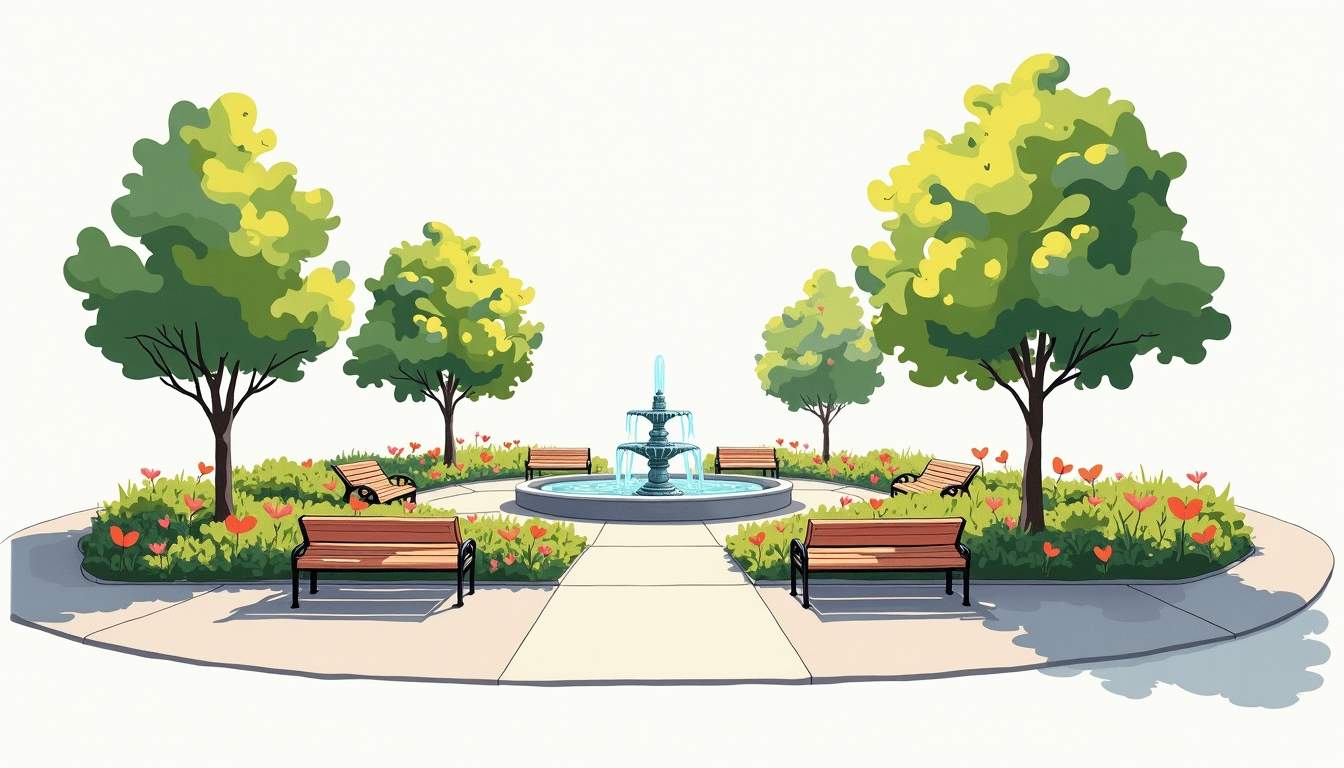
But not all public spaces succeed. Some feel sterile, uninviting, or unsafe. Others are poorly maintained or lack amenities that encourage people to stay and interact. Design is the key to transforming these areas into vibrant hubs of community life. Elements such as greenery, water features, and art installations can enhance the aesthetic appeal, while well-placed seating and lighting can create an inviting atmosphere that encourages people to linger and connect.
The Role of Accessibility and Inclusivity
Accessibility isn’t just about compliance with regulations; it’s about making sure everyone feels welcome. This means considering mobility challenges, sensory sensitivities, and cultural differences. Wide, smooth pathways accommodate wheelchairs and strollers alike. Clear signage and tactile elements assist those with visual impairments. Seating options vary to cater to different needs—some with backrests, others without, some shaded, some in the sun. Additionally, incorporating features like sensory gardens or quiet zones can provide refuge for individuals who may feel overwhelmed in bustling environments.
Inclusivity also extends to programming and features that reflect the diversity of the community. Multilingual signs, spaces for cultural events, and art installations that celebrate local heritage can make a big difference in how people relate to a public space. Furthermore, engaging community members in the design process ensures that the resulting space meets the actual needs and desires of those who will use it. Workshops and feedback sessions can empower residents to voice their opinions, leading to a more personalized and meaningful public space that resonates with the community’s identity. For innovative design solutions by click here.
Design Elements That Encourage Interaction
What makes people stop, linger, and strike up conversations? Certain design features naturally draw people together.
Flexible Seating Arrangements
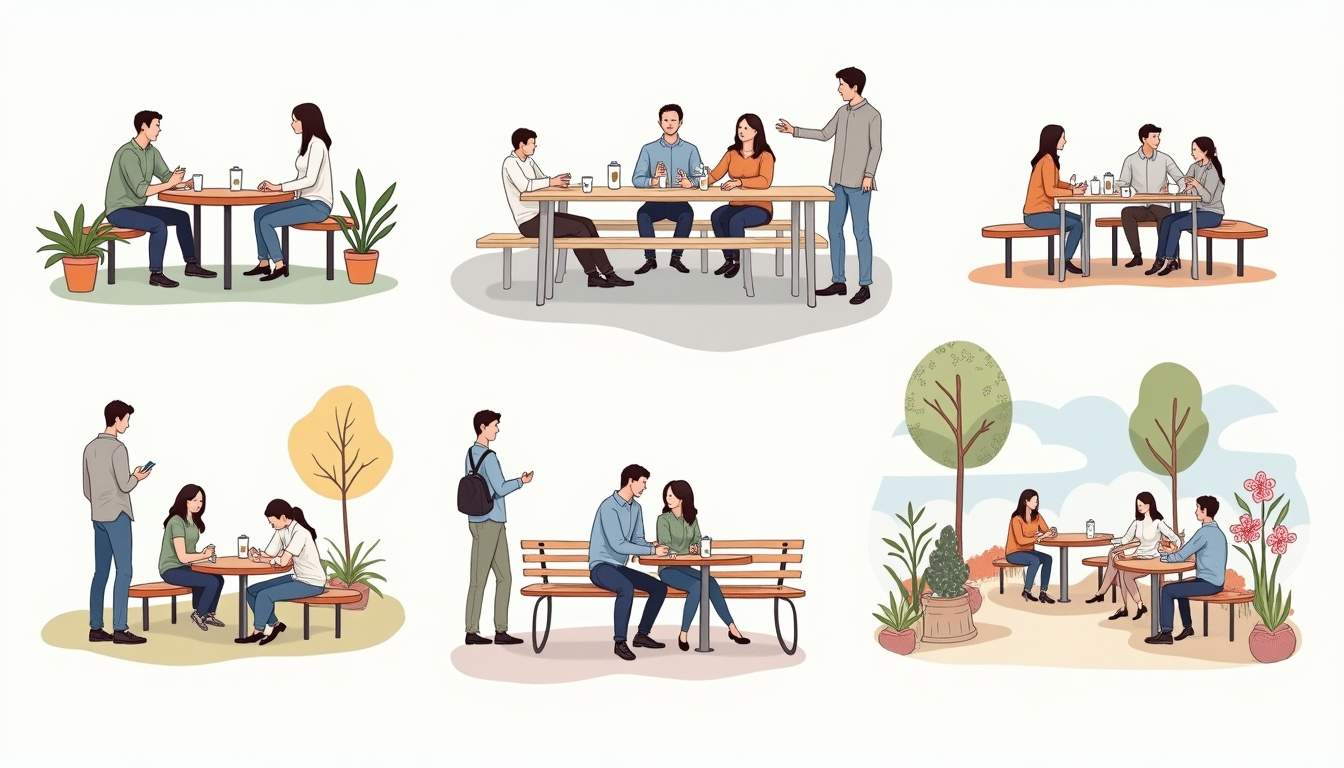
Fixed rows of benches facing the same direction don’t encourage much interaction. Instead, seating arranged in circles or clusters invites conversation. Movable chairs and tables give visitors control over their environment, allowing them to create small social hubs or find quiet corners.
In some parks, picnic tables with built-in games like chess or checkers provide a shared activity that sparks connection. Even simple things like benches facing playgrounds allow parents to chat while keeping an eye on their kids. The design of these spaces is crucial; for example, incorporating shade structures or umbrellas can make outdoor seating more comfortable, encouraging longer stays and deeper conversations. Additionally, the use of vibrant colors and playful patterns can create a more inviting atmosphere, making people feel more at ease and willing to engage with others.
Multi-Use Spaces
Spaces that serve multiple purposes attract diverse groups. A grassy knoll can be a picnic spot, a yoga class venue, or a stage for live music. Paths wide enough for walkers, joggers, and cyclists reduce conflicts and encourage different types of activity.
Community gardens are another great example. They provide a place to grow food, learn new skills, and socialize. When people invest time and effort into a shared project, bonds naturally form. These gardens often become the heart of neighborhoods, where workshops on sustainable practices or cooking classes can be held, further enriching the community experience. The presence of local flora and fauna not only beautifies the space but also offers educational opportunities for children and adults alike, fostering a sense of stewardship and pride in the community.
Interactive Art and Installations
Art can be a powerful social magnet. Sculptures that invite touch or movement, murals that tell local stories, or installations that change with community input all create talking points and shared experiences.
Temporary art exhibits or rotating installations keep the space dynamic and encourage repeat visits. When people see their own culture or history reflected in public art, it deepens their connection to the place. Moreover, workshops that allow community members to participate in the creation of art can transform passive observers into active contributors, enhancing their sense of belonging. Such initiatives not only beautify the environment but also empower individuals, giving them a stake in the artistic narrative of their community. By integrating local artists and themes into these installations, the artwork becomes a living testament to the community’s identity, sparking conversations and connections among residents and visitors alike.
Safety and Comfort: Foundations for Engagement
No one wants to gather in a space where they feel unsafe or uncomfortable. Good design addresses these concerns head-on.
Lighting and Visibility
Proper lighting extends the usability of public spaces into the evening hours and deters unwanted behavior. Well-lit paths, seating areas, and entrances make people feel secure. Avoiding harsh glare and using warm tones creates a welcoming atmosphere.
Designers also consider sightlines-ensuring that people can see and be seen. This natural surveillance reduces opportunities for crime and increases comfort.
Shade and Shelter
Sun, rain, and wind can quickly drive people away. Incorporating trees, pergolas, and canopies provides relief from the elements. These features not only protect but also create cozy nooks for conversation and relaxation.
Seasonal considerations matter too. In colder climates, windbreaks or heated seating might encourage year-round use.
Community Participation in the Design Process
One of the most effective ways to ensure a public space fosters engagement is to involve the community in its creation. When people have a say in how a space looks and functions, they’re more likely to use and care for it.
Workshops and Charrettes
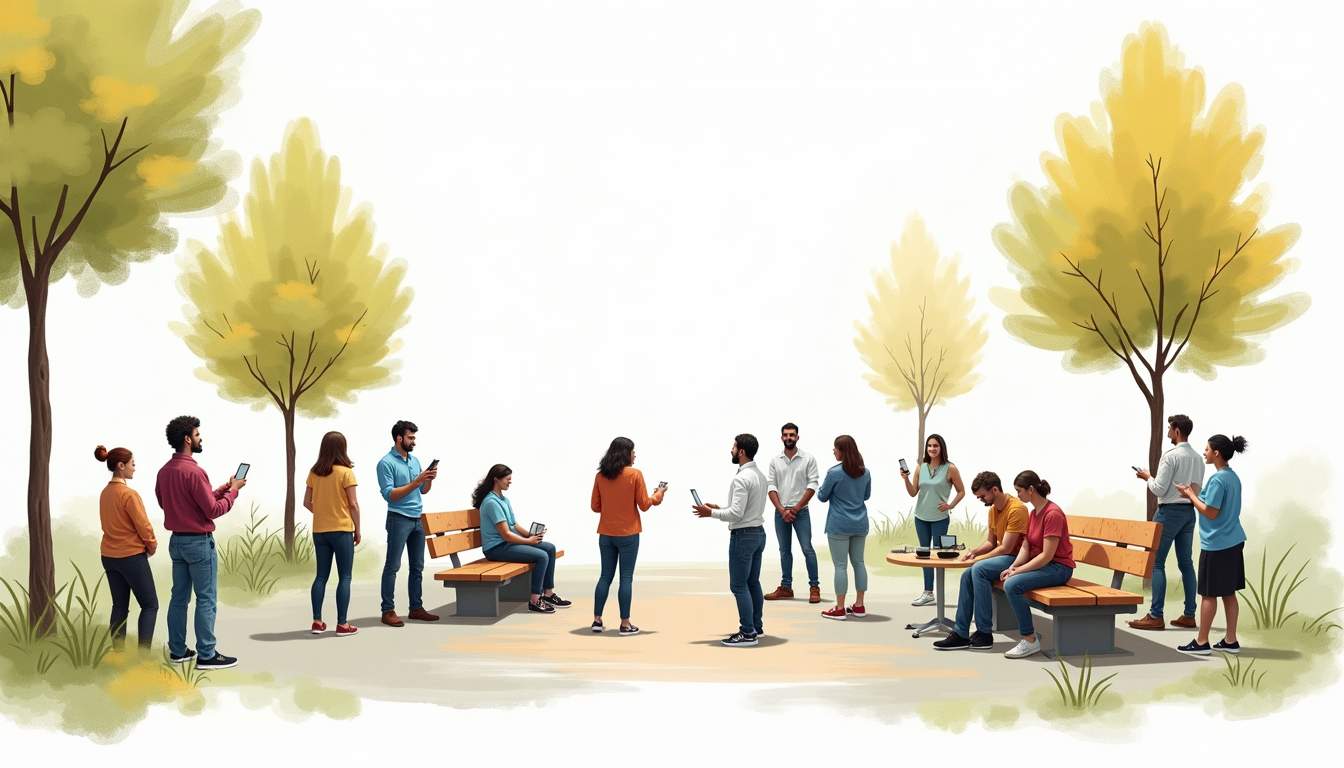
Organizing interactive workshops where residents can share ideas, voice concerns, and collaborate with designers builds trust and ownership. These sessions often reveal needs and desires that outsiders might overlook.
Pop-Up and Temporary Installations
Before committing to permanent changes, temporary setups allow communities to test concepts. Pop-up parks, mobile gardens, or art installations can gauge interest and gather feedback. This iterative approach reduces risk and increases satisfaction.
Ongoing Stewardship and Programming
Engagement doesn’t end once the space is built. Encouraging local groups to organize events, maintain gardens, or host markets keeps the space alive. Partnerships with schools, nonprofits, and businesses can sustain momentum and ensure the space evolves with the community.
Case Studies: Success Stories in Public Space Design
The High Line, New York City
Once an abandoned elevated railway, the High Line is now a celebrated public park that draws millions annually. Its design preserves industrial history while introducing lush greenery, seating, and art. The space encourages walking, socializing, and cultural events, creating a unique urban oasis.
Community input was crucial throughout the project, shaping everything from plant selection to programming. The High Line demonstrates how transforming neglected infrastructure into engaging public space can revitalize neighborhoods.
Superkilen Park, Copenhagen
Superkilen is a vibrant public park designed to celebrate cultural diversity. Located in a multicultural neighborhood, it features objects and art from over 50 countries, reflecting the backgrounds of local residents. The park includes playgrounds, sports areas, and gathering spots, all designed to encourage interaction.
The project involved extensive community participation, ensuring the park resonates with its users. It’s a striking example of how design can promote inclusivity and pride.
Millennium Park, Chicago
Millennium Park combines art, architecture, and green space to create a dynamic public venue. Iconic features like the Cloud Gate sculpture and Jay Pritzker Pavilion attract visitors for both casual enjoyment and large events. The park’s design encourages people to explore, gather, and engage with the arts.
The integration of performance spaces with open lawns and gardens makes it a versatile destination. Its success lies in balancing aesthetic appeal with functionality.
Practical Tips for Designing Community-Engaging Public Spaces
- Know Your Community: Conduct surveys, interviews, and observations to understand who will use the space and what they need.
- Prioritize Flexibility: Design spaces that can adapt to different activities and seasons.
- Incorporate Nature: Greenery improves mood, air quality, and aesthetics.
- Encourage Movement: Paths, bike racks, and open areas invite active use.
- Provide Amenities: Restrooms, water fountains, and trash bins make visits comfortable.
- Plan for Maintenance: Durable materials and community stewardship keep spaces inviting over time.
Looking Ahead: The Future of Public Space Design
Technology is beginning to play a bigger role in how people interact with public spaces. Interactive digital installations, augmented reality experiences, and smart lighting systems can enhance engagement. However, the core principles remain the same: creating welcoming, inclusive, and flexible environments that respond to community needs.
As cities grow and change, public spaces will continue to be essential for fostering social connections. Thoughtful design that puts people first can transform these areas from mere transit points into vibrant community anchors.
When public spaces invite participation, celebrate diversity, and nurture relationships, they become much more than just places-they become the heart of community life.