
Residential Trash Collection Software: A Smart Solution for Cleaner Communities
As urban populations continue to grow, the want for efficient and sustainable waste management answers has never been greater. Traditional trash series methods regularly face demanding situations which includes inefficient scheduling, missed pickups, and extended operational costs. To cope with those troubles, municipalities and waste management corporations are turning to Residential Trash Collection Software, a digital solution that streamlines operations, enhances performance, and promotes purifier groups.
This article will discover the function of Residential Trash Collection Software, its key capabilities, advantages, and the way it integrates with present day technologies to revolutionize waste control. We will even talk the destiny of waste collection and how generation, inclusive of switch station software, is reshaping the enterprise.
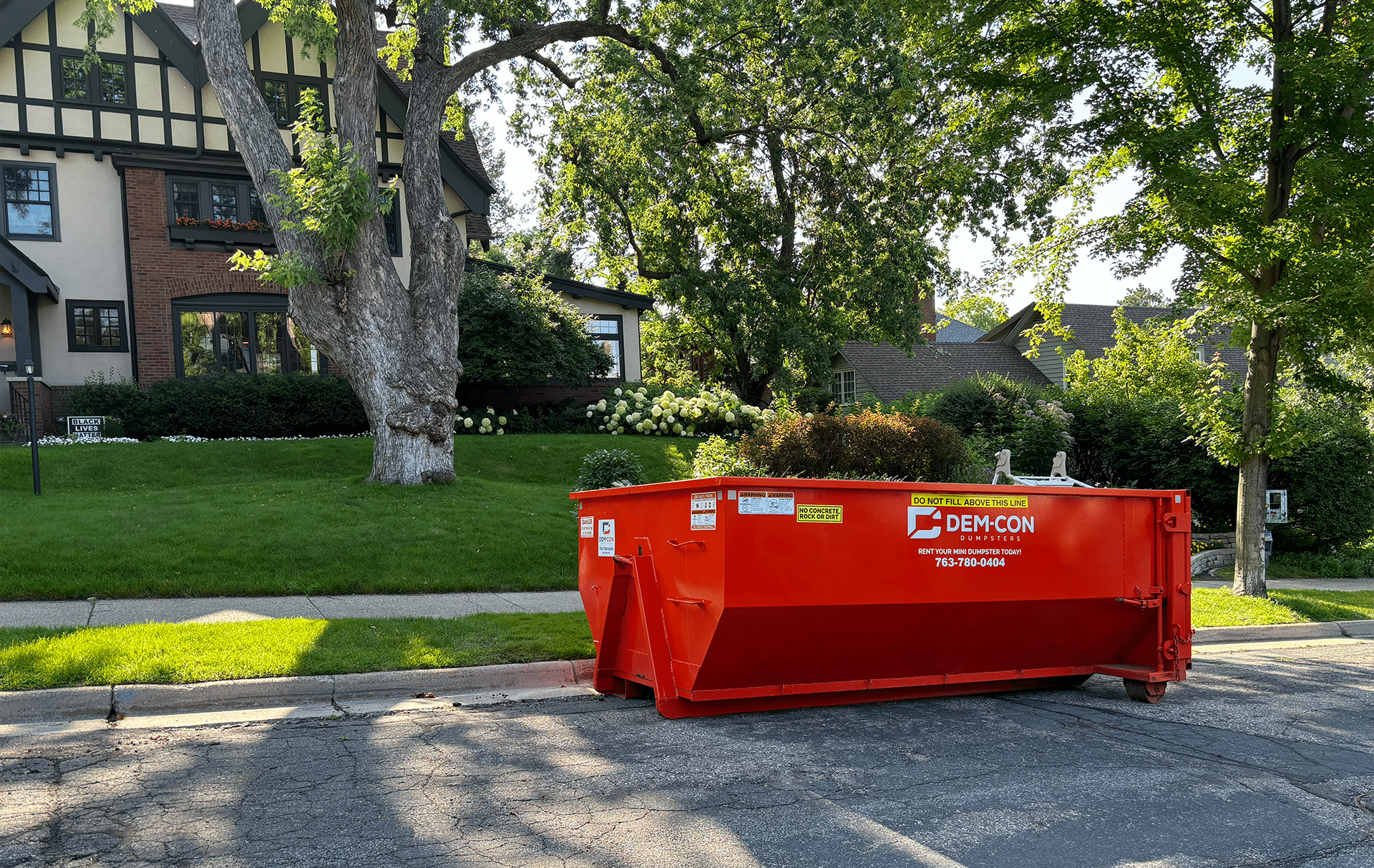
The Need for Digital Transformation in Residential Trash Collection
1. Growing Urbanization and Waste Generation
With speedy urbanization, the extent of residential waste has multiplied significantly. Managing this waste efficiently requires superior tools which could automate and optimize series procedures.
2. Inefficient Traditional Methods
Traditional waste series structures rely closely on manual scheduling, main to overlooked pickups, excessive gas intake, and elevated operational expenses. A clever software program answer can eliminate those inefficiencies.
3. Environmental Concerns
Overfilled landfills and wrong waste disposal contribute to environmental degradation. Smart waste management software program allows municipalities put in force sustainable practices including waste diversion, recycling tracking, and optimized course making plans to lessen carbon emissions.
What is Residential Trash Collection Software?
Residential Trash Collection Software is a technology-driven solution designed to help waste control companies and municipalities streamline and optimize trash collection operations. It integrates real-time records analytics, GPS monitoring, automatic scheduling, and customer management into a single platform, making sure clean and green operations.
Key Features of Residential Trash Collection Software
1. Automated Scheduling & Route Optimization
The software utilizes AI-driven algorithms to create green collection schedules and routes, lowering useless mileage and fuel prices whilst making sure timely pickups.
2. GPS Tracking & Real-Time Monitoring
Real-time GPS monitoring allows waste series corporations to screen truck movements, ensuring that collections are finished as scheduled and allowing for brief adjustments if wanted.
3. Smart Waste Bin Sensors
IoT-enabled smart bins with sensors detect fill stages, permitting waste series teams to prioritize excessive-need regions and reduce pointless pickups.
4. Customer Self-Service Portal
Residents can get right of entry to an internet portal to view series schedules, document overlooked pickups, and request additional services, enhancing patron enjoy and engagement.
5. Automated Billing & Payment Processing
The software program simplifies invoicing via automating payment processing and integrating with on line fee gateways, reducing administrative workload.
6. Waste Diversion & Recycling Tracking
By monitoring recyclable waste one by one, the software allows municipalities attain sustainability desires with the aid of encouraging proper waste sorting and reducing landfill dependency.
7. AI-Powered Predictive Analytics
Advanced facts analytics expect waste generation developments, enabling waste management organizations to regulate series schedules dynamically and optimize resources.
Benefits of Implementing Residential Trash Collection Software
1. Improved Efficiency & Cost Savings
Automating scheduling and optimizing routes notably lessen operational costs, gas intake, and exertions prices.
2. Enhanced Customer Satisfaction
With higher verbal exchange, well timed pickups, and an intuitive consumer portal, citizens revel in stepped forward service reliability and comfort.
3. Reduced Environmental Impact
Efficient route making plans and clever bin technology make a contribution to lower carbon emissions, reducing the ecological footprint of waste series services.
4. Data-Driven Decision Making
Municipalities and personal waste haulers can leverage information insights to enhance carrier satisfactory, optimize staff allocation, and beautify sustainability initiatives.
5. Regulatory Compliance
With automated reporting and actual-time monitoring, waste management companies can effortlessly comply with nearby and federal guidelines regarding waste series and disposal.
How Residential Trash Collection Software Integrates with Modern Technologies
1. Artificial Intelligence & Machine Learning
AI-driven analytics help waste management groups expect call for, optimize series schedules, and hit upon inefficiencies in waste collection operations.
2. Internet of Things (IoT) for Smart Waste Bins
IoT era allows waste boxes to communicate fill levels, ensuring pickups are made most effective when vital, reducing useless waste series trips.
3. Cloud Computing for Seamless Operations
Cloud-based software lets in for far flung access, actual-time updates, and seamless integration with different systems, improving common performance.
4. Blockchain for Secure Transactions
Blockchain generation guarantees steady and obvious transactions, in particular in billing and compliance documentation, decreasing fraud and data tampering risks.
5. Integration with Transfer Station Software
Transfer station software program is turning into an essential a part of modern waste control. It lets in seamless coordination between series teams and waste processing centers, ensuring that collected waste is properly taken care of, processed, and disposed of effectively.
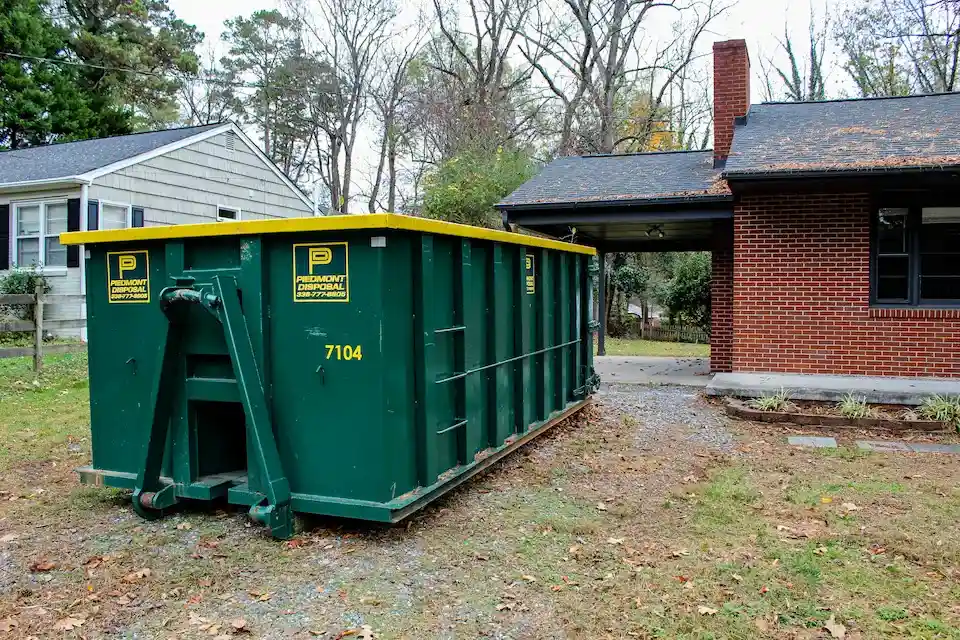
Conclusion
The adoption of Residential Trash Collection Software is revolutionizing the waste management enterprise by means of improving efficiency, decreasing charges, and promoting environmental sustainability. By leveraging AI, IoT, and cloud computing, waste series services have become smarter, more responsive, and eco-friendly. Moreover, integrating transfer station software in addition complements the procedure by making sure easy waste processing and disposal. As towns continue to grow, making an investment in advanced waste management technology could be key to building cleaner, greater sustainable groups.