
Restaurant Supplies You Can Trust — From Prep to Presentation
Running a successful restaurant requires more than just a passion for food and excellent service. Behind every great dining experience lies a foundation of reliable, high-quality restaurant supplies that support every stage — from food preparation to the final presentation on the plate. Choosing the right tools and equipment not only streamlines kitchen operations but also elevates the overall guest experience.
In this article, we’ll explore essential restaurant supplies that professionals trust, covering everything from prep essentials to plating and presentation. Whether you’re opening a new restaurant or upgrading your current setup, understanding these key supplies will help you create a kitchen that runs smoothly and impresses every customer.
Essential Prep Supplies: Building a Strong Kitchen Foundation
Food preparation is the backbone of any restaurant kitchen. Efficient, safe, and hygienic prep work sets the tone for the entire cooking process. Investing in the right prep supplies ensures that chefs and kitchen staff can work quickly and confidently, minimizing waste and maintaining quality.
Durable Cutting Boards and Knives
Cutting boards are among the most heavily used items in the kitchen. Opt for boards made from high-density polyethylene or composite materials that resist deep grooves and are easy to sanitize. Color-coded cutting boards help prevent cross-contamination by designating specific boards for meats, vegetables, and seafood.
Equally important are the knives. Professional chefs rely on sharp, well-balanced knives that maintain their edge through rigorous use. Investing in high-quality chef’s knives, paring knives, and serrated knives can make prep work faster and safer. Regular sharpening and proper storage, such as magnetic strips or knife blocks, extend the lifespan of these essential tools. Additionally, incorporating a honing steel into the knife maintenance routine allows chefs to keep their blades in optimal condition, ensuring precision cuts and reducing the risk of accidents caused by dull knives. For premium kitchen tools and accessories, visit RHQ Store to explore a wide range of professional-grade options.
Mixing Bowls and Prep Containers
Sturdy mixing bowls in various sizes are indispensable for combining ingredients, marinating proteins, or tossing salads. Stainless steel bowls are a favorite in commercial kitchens due to their durability, resistance to stains and odors, and ease of cleaning.
Prep containers with airtight lids help keep ingredients fresh and organized. Clear containers allow kitchen staff to quickly identify contents, speeding up service during busy hours. Look for containers that are stackable to maximize storage space and made from materials safe for refrigeration and freezing. Additionally, incorporating labels or a color-coding system on these containers can further enhance organization, allowing staff to quickly locate items and maintain inventory control, which is crucial during peak service times.
Precision Scales and Measuring Tools
Consistency is key in restaurant cooking, and precise measurements ensure every dish meets quality standards. Digital kitchen scales with tare functions allow chefs to weigh ingredients accurately, reducing waste and controlling portion sizes.
Measuring cups and spoons made from durable materials like stainless steel or BPA-free plastic also contribute to precise recipe execution. Having a variety of measuring tools on hand helps maintain consistency, especially when preparing sauces, dressings, or baked goods. Furthermore, investing in a set of measuring spoons with different sizes, including those for pinches and dashes, can help chefs replicate flavors and textures with precision, ensuring that every dish is crafted to perfection. This attention to detail not only enhances the dining experience but also builds a reputation for reliability and excellence in the kitchen.
Cooking Equipment: Efficiency Meets Reliability
The heart of the kitchen lies in its cooking equipment. From stovetops to ovens and fryers, choosing reliable appliances is crucial for maintaining a steady workflow and delivering dishes on time.
Commercial Ranges and Ovens
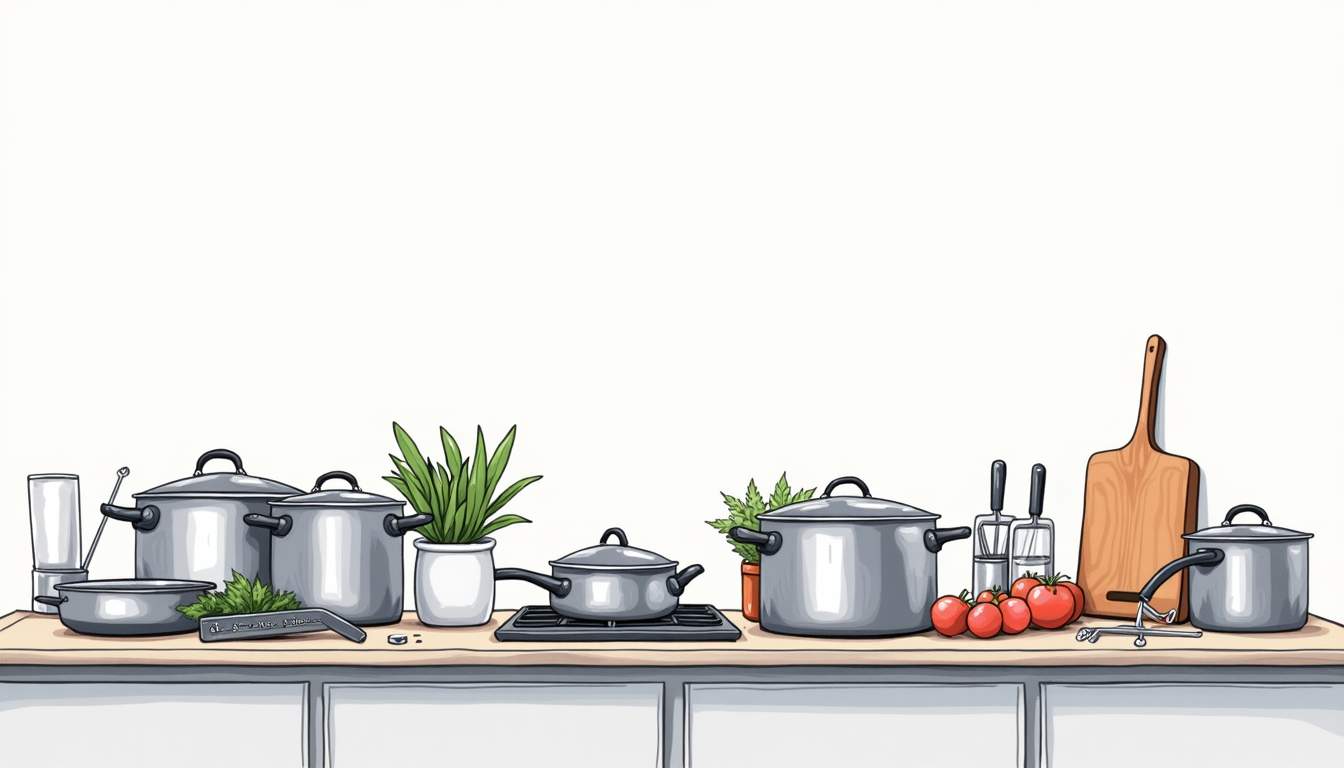
Commercial ranges with multiple burners allow chefs to multitask efficiently, managing several pots and pans simultaneously. Look for models with sturdy cast iron grates and easy-to-clean surfaces to withstand heavy use.
Ovens come in various types — convection, deck, and combi ovens — each suited for different cooking styles. Convection ovens circulate hot air evenly, ideal for baking and roasting, while combi ovens offer versatility by combining steam and dry heat. Selecting the right oven depends on your menu and volume, but investing in energy-efficient models can also reduce operating costs.
Deep Fryers and Grills
Deep fryers are essential for restaurants serving fried foods, from crispy fries to golden chicken. Choose fryers with adjustable thermostats and easy oil filtration systems to maintain oil quality and safety. Stainless steel fryers with removable baskets simplify cleaning and prolong equipment life.
Grills, whether flat-top or charbroilers, provide distinctive flavors and textures. Flat-top grills are versatile for cooking pancakes, eggs, and sandwiches, while charbroilers impart smoky grill marks perfect for steaks and burgers. Durable grill surfaces and efficient heat distribution are key factors when selecting these appliances.
Ventilation and Safety Equipment
Proper ventilation systems are vital to maintaining air quality and temperature control in the kitchen. Exhaust hoods that effectively remove smoke, steam, and odors help create a comfortable and safe working environment. Regular maintenance ensures these systems operate efficiently and comply with health regulations.
Safety equipment such as fire suppression systems, non-slip mats, and first aid kits are non-negotiable in any commercial kitchen. Investing in these items protects staff and property while meeting legal requirements.
Food Storage Solutions: Freshness and Organization
Maintaining ingredient freshness and organizing storage areas are critical for food safety and operational efficiency. Proper storage solutions reduce spoilage, prevent contamination, and help kitchen staff locate ingredients quickly.

Refrigeration Units and Freezers
Commercial refrigerators and freezers come in various configurations, including reach-in, under-counter, and walk-in units. Choosing the right size and type depends on your kitchen’s layout and volume of perishable goods.
Look for units with reliable temperature controls, energy-efficient compressors, and easy-to-clean interiors. Glass door refrigerators can showcase beverages or prepped items, while solid door units are better for long-term storage. Regular maintenance and temperature monitoring are essential to ensure food safety.
Dry Storage and Shelving
Dry storage areas require sturdy shelving that can support heavy items like bulk flour, canned goods, and spices. Stainless steel or heavy-duty wire shelving resists rust and is easy to clean, making it ideal for commercial kitchens.
Organizing dry goods with clear labeling and FIFO (First In, First Out) systems helps reduce waste and keeps inventory manageable. Using airtight containers for items like sugar, rice, and pasta protects against pests and moisture.
Ingredient Bins and Dispensers
Bulk ingredient bins with lids and dispensers streamline access to frequently used items such as flour, sugar, and grains. These containers help maintain hygiene and portion control, speeding up prep times and reducing mess.
Dispenser systems for items like sauces, condiments, and dry seasonings improve efficiency during service, allowing kitchen staff to quickly add ingredients without cross-contaminating or overusing supplies.
Presentation and Serving Supplies: The Final Touch
Once the food is prepared, how it’s presented can make all the difference in a customer’s dining experience. High-quality presentation and serving supplies complement the culinary artistry and reinforce your restaurant’s brand.

Plating and Dinnerware
Choosing the right plates, bowls, and platters enhances the visual appeal of dishes. Porcelain and stoneware are popular choices for their durability and classic look, while modern restaurants might opt for unique materials like slate or bamboo to add flair.
Consider the size and shape of dinnerware to suit your menu items. Deep bowls are perfect for pasta or soups, while flat plates showcase appetizers and entrees beautifully. Matching dinnerware sets create a cohesive table setting that elevates the dining experience.
Cutlery and Glassware
Quality cutlery not only feels good in the hand but also performs well during use. Stainless steel flatware with balanced weight and polished finishes is a staple in most restaurants. Specialty utensils like steak knives or seafood forks add functionality for specific dishes.
Glassware selection should align with the beverage menu. Wine glasses, cocktail glasses, and tumblers come in various shapes designed to enhance aroma and flavor. Durable, dishwasher-safe glassware ensures longevity and ease of cleaning.
Serving Trays and Table Accessories
Serving trays made from materials like wood, metal, or plastic help staff carry multiple dishes efficiently and safely. Non-slip surfaces and raised edges reduce the risk of spills during busy service times.
Table accessories such as napkin holders, salt and pepper shakers, and condiment dispensers contribute to the overall ambiance and convenience for diners. Customizable options allow restaurants to reinforce their branding and style.
Cleaning and Maintenance: Keeping Your Kitchen Pristine
Maintaining cleanliness in a restaurant kitchen is paramount for health, safety, and operational efficiency. Investing in the right cleaning supplies and maintenance tools keeps equipment running smoothly and ensures compliance with health codes.
Sanitizers and Cleaning Chemicals
Food-safe sanitizers and cleaning agents are essential for disinfecting surfaces, utensils, and equipment. Choose products that are effective against bacteria and viruses but safe for use in food preparation areas. Proper dilution and application are critical to avoid residue or contamination.
Cleaning Tools and Equipment
Durable brushes, mops, and microfiber cloths help maintain spotless workspaces. Color-coded cleaning tools prevent cross-contamination between kitchen and dining areas. Commercial dishwashers and glass washers speed up cleaning cycles while ensuring thorough sanitation.
Routine Equipment Maintenance
Regular maintenance of kitchen appliances extends their lifespan and prevents unexpected breakdowns. This includes cleaning grease traps, inspecting ventilation filters, and scheduling professional servicing for ovens and refrigeration units. A well-maintained kitchen supports consistent food quality and staff productivity.
Conclusion
From the initial prep work to the final presentation on the plate, every stage of restaurant operation depends on trustworthy supplies. Selecting durable, efficient, and high-quality equipment and tools not only improves kitchen workflow but also enhances the guest experience.
By focusing on essential prep supplies, reliable cooking equipment, organized storage solutions, elegant presentation items, and thorough cleaning tools, restaurant owners and managers can build a kitchen environment that fosters excellence and reliability. Investing wisely in these supplies is an investment in your restaurant’s reputation and long-term success.