
Signs Your Commercial Building Insulation May Be Losing Effectiveness
Commercial building insulation eventually loses its ability to resist heat transfer due to age, moisture damage, or physical settling. The most immediate indicators of this failure are unexplained increases in energy bills and an HVAC system that struggles to maintain consistent temperatures. When the thermal barrier degrades, the building envelope allows conditioned air to escape and outdoor air to infiltrate, forcing mechanical systems to work harder than necessary.
Recognizing these signs early helps property owners avoid costly equipment repairs and significant structural damage. Stellrr Insulation & Spray Foam advises facility managers to look beyond just the thermostat. They note that physical changes to the building materials and shifts in indoor air quality often signal that the insulation system has reached the end of its useful life.
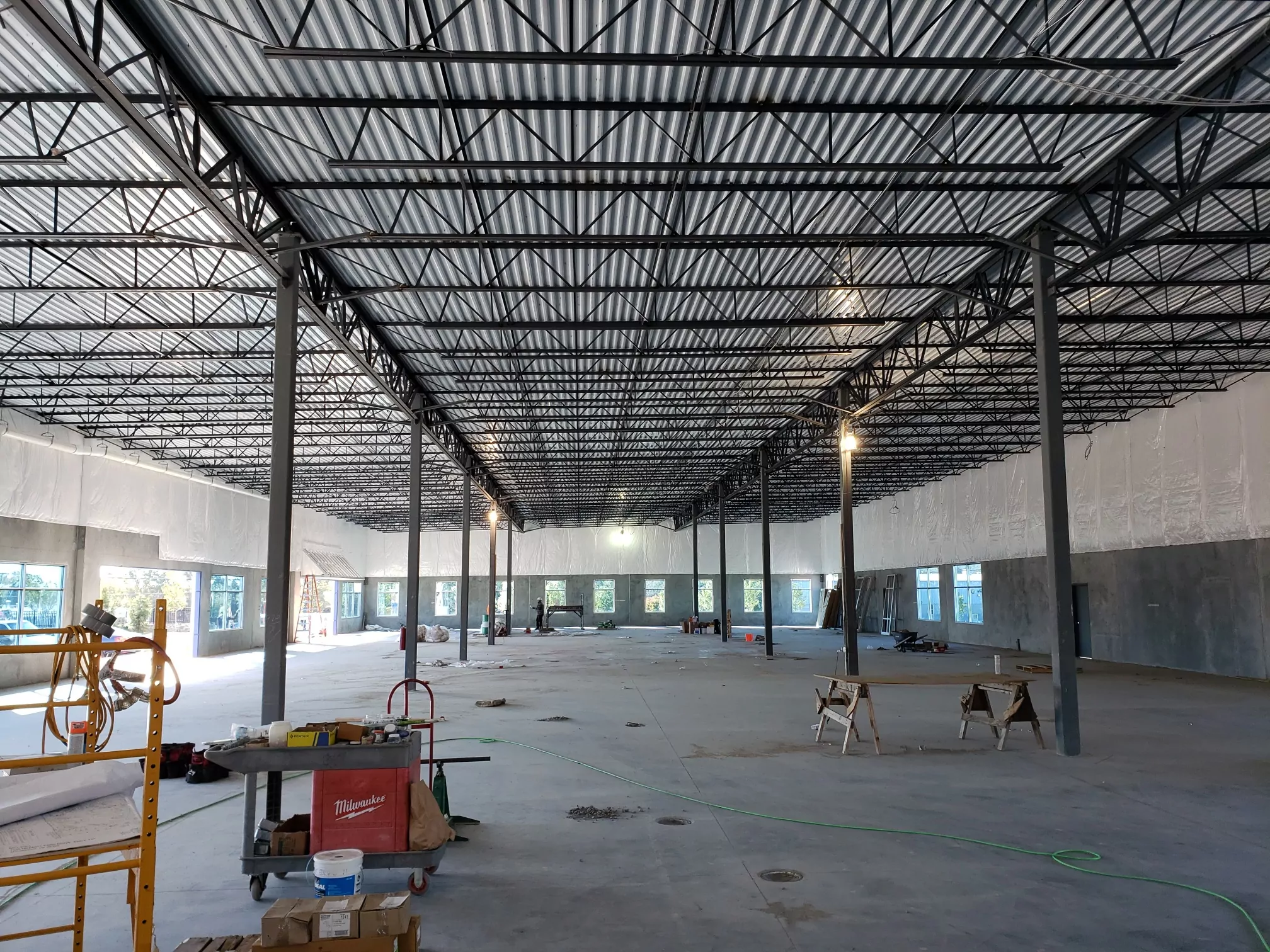
Escalating Utility Costs Without Explanation
A sudden or steady rise in heating and cooling costs is often the first red flag. If utility rates have remained stable and building operations have not changed, the increased expense usually points to energy waste. Insulation acts as a barrier to heat flow; when it fails, that barrier breaks down, and the building bleeds energy.
Tracking energy usage year-over-year provides precise data. If consumption spikes during peak summer or winter months compared to previous years, the thermal envelope is likely compromised. This financial bleed will continue until the insulation is addressed, often costing more in wasted energy than the price of a retrofit over time.
HVAC System Overload
When insulation loses effectiveness, the HVAC system runs longer cycles to compensate for the rapid heat gain or loss. Facility managers might notice that units never seem to shut off, even on mild days. This constant operation increases wear on motors and compressors, leading to more frequent breakdowns and shortened equipment lifespan.
Analyzing Runtime Data
Smart thermostats and building management systems can reveal excessive runtime patterns. If the data shows the system running continuously to maintain a set point, it indicates that the building cannot hold the temperature. This is a direct symptom of thermal bridging and air leakage caused by failing insulation.
Visible Physical Deterioration of Materials
In many commercial structures, such as warehouses or buildings with drop ceilings, the insulation is visible. Inspecting these areas often reveals physical signs of degradation that compromise performance. Fiberglass batts and vinyl-faced rolls are particularly prone to visible failure mechanisms that are easy to spot during a walkthrough.
Sagging and Compression
Gravity eventually takes a toll on fibrous insulation materials. Over time, fiberglass batts installed in walls can slide down, leaving significant gaps near the ceiling where heat accumulates. In metal buildings, the vinyl backing often stretches or detaches, causing the insulation to droop. Compressed insulation loses its R-value (thermal resistance) because the air pockets that trap heat are flattened out.
Discoloration and Moisture Stains
Water is the enemy of traditional insulation. Brown or yellow stains on the insulation facing or the ceiling tiles suggest that moisture has penetrated the barrier. Wet insulation conducts heat rather than blocking it, rendering it useless. Furthermore, once fiberglass gets wet, it typically clumps and loses its insulating properties, even after drying.
Inconsistent Indoor Temperatures and Drafts
A well-insulated building maintains a uniform temperature throughout the space. When insulation fails, occupants often complain about “hot spots” near exterior walls or cold drafts near windows and doors. These inconsistencies occur because the thermal barrier is no longer continuous.
The Hot and Cold Spot Phenomenon
In multi-story buildings, the upper floors may become unbearably hot while the lower floors remain cold. This usually indicates that the roof or attic insulation has settled or degraded, allowing radiant heat from the sun to penetrate the building. Employees working near exterior walls may feel the temperature change as the sun moves across the sky, a clear sign that the Wall Insulation is no longer performing.
Bonus Tip: Thermal Imaging
Facility managers can use a simple thermal camera to identify insulation voids. Cold blue spots in winter or hot red spots in summer on the interior walls reveal precisely where the insulation has settled or is missing.
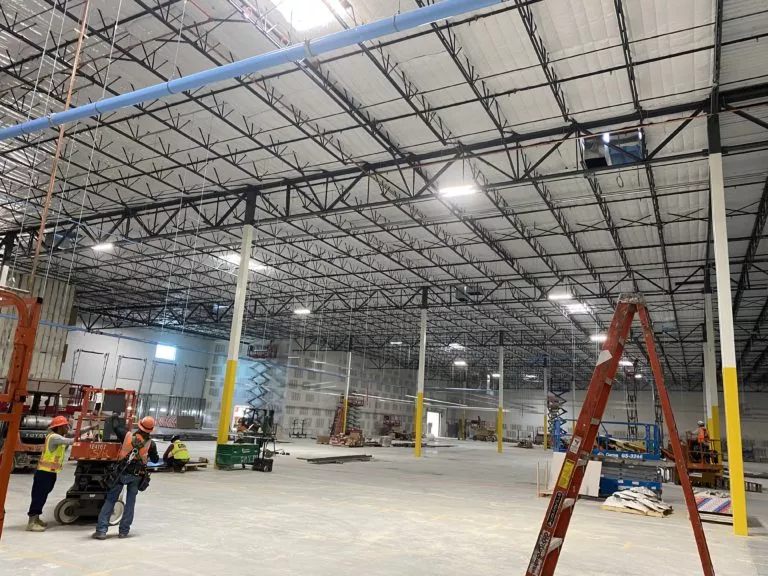
Comparison of Effective vs. Failing Insulation
Understanding the difference between a functioning system and a failing one helps in making maintenance decisions.
|
Indicator |
Effective Insulation System |
Failing Insulation System |
|---|---|---|
|
Temperature Control |
Uniform across all zones |
Hot/cold spots near walls/ceilings |
|
HVAC Operation |
Cycles on and off normally |
Runs continuously or short-cycles |
|
Noise Levels |
Dampened outside noise |
Loud traffic/weather sounds |
|
Physical Appearance |
Tight, lofty, and secure |
Sagging, compressed, or detached |
|
Moisture/Condensation |
Dry surfaces |
“Sweating” metal or damp walls |
Increased Noise Levels and Air Quality Issues
Insulation serves as a sound damper and an air filter. As it thins out or settles, it loses its ability to block external noise. Occupants may start to notice that traffic noise, rain on the roof, or aircraft sounds are significantly louder than they used to be.
Dust and Outdoor Pollutants
Failing insulation often coincides with air leaks. When air infiltrates the building through unsealed gaps, it brings dust, pollen, and humidity. If surfaces seem dustier than usual or if employees report increased allergy symptoms, the building envelope may be allowing unfiltered air to bypass the HVAC filters. Commercial building insulation upgrades typically solve these air quality issues by sealing the entry points.
Evidence of Pest Infiltration
Old insulation, particularly fiberglass, provides an attractive nesting material for rodents and insects. If maintenance teams find droppings, burrowed tunnels, or shredded material in the plenum spaces, it indicates that the insulation is compromised.
Nesting and Structural Damage
Pests displace insulation to build nests, creating voids in the thermal barrier. Urine and waste from these pests contaminate the material, creating health hazards and requiring Insulation Removal. Once pests have established a presence, the insulation is effectively ruined and must be replaced to restore sanitation and thermal performance.
Things to Consider Before Making a Decision
Before replacing insulation, evaluate the facility’s long-term plans. If the building will be occupied for many years, investing in a durable solution like commercial spray foam insulation offers a better return on investment than replacing like-for-like with fiberglass. Spray foam permanently solves settling and moisture issues.
Also, consider the operational impact of the renovation. Some modern insulation methods allow for work to be done with minimal disruption to daily business activities. Assessing the roof condition is also vital; if the roof needs replacing soon, coordinating the insulation upgrade with it can save money.
Questions People Ask About Commercial Insulation
How long does commercial insulation typically last?
Fiberglass insulation generally lasts 15 to 20 years before it begins to sag or degrade significantly. However, in high-humidity environments or if moisture is introduced, its lifespan can be much shorter. Spray foam insulation typically lasts for the life of the building.
Can I install new insulation over the old material?
It is generally not recommended to layer new insulation over old, damaged material. The old insulation may hold moisture, mold, or odors that will compromise the new system. Removing the old material allows for inspection of the structure and proper air sealing.
Does wet insulation always need to be replaced?
Yes, most traditional insulation materials, like fiberglass and cellulose, permanently lose their R-value when wet. Even if they dry out, the fibers compress and clump. Damp insulation also poses a severe mold risk and should be removed immediately.
Will replacing insulation fix condensation issues?
Upgrading to a material with a vapor barrier, such as closed-cell spray foam, prevents warm, humid air from contacting cool surfaces. This effectively stops the “sweating” often seen in metal buildings and HVAC ductwork, eliminating condensation problems.
How do I know if my metal building needs new insulation?
If the vinyl backing is torn, the fiberglass looks flat, or the building gets extremely hot in the summer despite AC use, the insulation is likely failing. Rust forming on the interior metal panels is another sign that the insulation is no longer controlling moisture.
Conclusion
Recognizing the signs of failing insulation is the first step toward restoring the efficiency and comfort of a commercial property. Rising energy bills, uneven temperatures, and visible degradation are clear indicators that the thermal barrier is no longer functioning. Ignoring these symptoms leads to higher operational costs and potential structural damage to the building.
Addressing these issues promptly protects the asset and improves the work environment. Whether through a complete retrofit or targeted upgrades, restoring the building envelope ensures long-term stability and savings.
Restore Your Building’s Efficiency
For commercial property owners dealing with rising costs and comfort complaints, professional intervention is necessary. Stellrr Insulation & Spray Foam provides comprehensive assessments to identify the root cause of thermal failure. They offer tailored solutions that improve energy performance and protect the facility for the long term.
To schedule a building evaluation or discuss insulation options, contact the team directly. Email: [email protected] Phone: (512) 710-2839
Author: Shawn Mansur, founder of Stellrr, has been improving homes and buildings since 2016. He believes in fixing problems the right way, with lasting solutions, not temporary fixes. Through Stellrr, Shawn and his team provide insulation and energy-efficient upgrades for both residential and commercial properties, ensuring every project delivers real, long-term results.
Reviewer: Sophia White has 8 years of experience in spray foam insulation. She reviewed this post and gave clear guidance on aligning business messaging with what customers actually care about.