
Simple Ways Attic Insulation Enhances Indoor Air Quality
Most people associate professional attic insulation with energy savings and temperature control, but its effect on the air you breathe is just as significant. A well-insulated and sealed attic creates a physical barrier that separates your living space from the dusty, unfiltered environment above.
This barrier stops airborne pollutants, allergens, and mold spores from entering the areas where your family breathes. It’s a straightforward way to address a major source of indoor contamination that many homeowners don’t even realize exists, leading directly to a healthier and more comfortable home.
Creating a Barrier Against Attic Pollutants
Many attics contain a cocktail of airborne particles that you don’t want in your living space. This can include dust, dirt, old insulation fibers, pest droppings, and even VOCs from stored items like paint or solvents. In a poorly sealed home, these pollutants don’t stay in the attic.
A process called the “stack effect” causes air to move through a house. In the winter, warm air rises and escapes through leaks in the attic, which in turn pulls unconditioned air from outside and below into the living space. In the summer, a super-heated attic can push hot, dusty air downward into the home through the same cracks. Professional attic insulation projects always start with air sealing. Specialists will find and seal every small gap around light fixtures, plumbing pipes, ceiling joints, and electrical wiring. This “lid” effectively stops the natural air exchange between the attic and the home, keeping attic pollutants where they belong.
Bonus Tip: Recessed can lights are a major source of air leakage into attics. A professional will cover these with airtight, fire-rated boxes before adding insulation, a critical step for both air quality and safety.
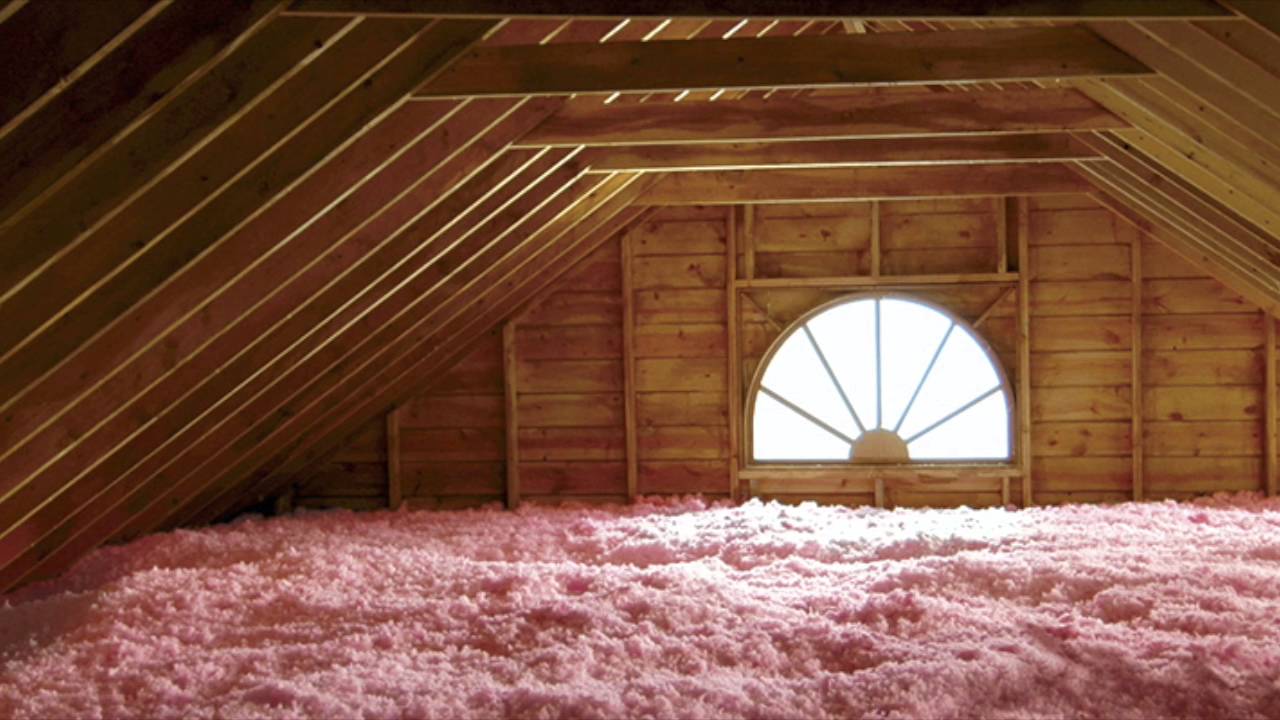
Preventing Mold Growth by Controlling Moisture
Moisture is a key ingredient for mold and mildew, both of which can release spores that are harmful when inhaled. An under-insulated attic is a prime location for moisture problems. As warm, humid air from daily activities like showering and cooking rises, it can enter a cold attic and condense on the cool underside of the roof sheathing, creating the perfect damp environment for mold to grow.
A properly insulated and ventilated attic system prevents this cycle.
- Insulation: A thick layer of insulation on the attic floor keeps the heat and moisture from the living space from reaching the cold attic air.
- Ventilation: A continuous flow of outdoor air through soffit and ridge vents removes any moisture that does make its way into the attic before it has a chance to condense.
By keeping the attic dry, this two-part strategy eliminates the potential for mold growth at the source. This is a simple but powerful way to protect the home’s structure and the respiratory health of its occupants.
How Different Insulation Strategies Affect Air Quality
The effectiveness of this moisture and pollutant control depends heavily on the specific insulation approach taken. Simply adding more insulation is not enough; a systematic approach is required for the best results.
|
Insulation Approach |
Air Leakage Control |
Moisture Management |
Pollutant Blocking |
|---|---|---|---|
|
Old, Degraded Insulation |
Poor. Air flows freely through gaps and compressed areas. |
Poor. Often traps moisture and supports mold growth. |
Minimal. Pollutants pass easily into the living space. |
|
New Fiberglass Batts (No Air Sealing) |
Fair. Batts don’t stop air flow, which moves around and through them. |
Fair. Can still allow moisture to reach cold surfaces. |
Poor. Does not stop the movement of airborne particles. |
|
Air Sealing + Blown-In Insulation |
Excellent. Sealing stops leaks, and insulation fills gaps. |
Good. A dry attic prevents condensation and mold. |
Excellent. Creates a complete barrier to attic contaminants. |
|
Spray Foam on Attic Floor |
Excellent. Creates a perfect, monolithic air seal. |
Good. Closed-cell foam can also act as a vapor barrier. |
Excellent. Provides the most complete barrier available. |
How Leaky Ducts in the Attic Can Pollute Your Home
In many homes, the HVAC air handler and the majority of the ductwork are located in the attic. This is one of the worst possible environments for them. In the summer, attic temperatures can soar above 140°F, forcing the air conditioner to work much harder to deliver cool air.
More importantly for air quality, any leaks in the return ductwork will cause the system to pull in hot, dusty, and polluted attic air and distribute it throughout the entire house. Even tiny pinhole leaks can introduce a significant amount of contaminants into your air supply. A well-insulated attic dramatically reduces the extreme temperatures the HVAC system is exposed to. A more advanced approach, creating a “conditioned attic” by applying spray foam to the underside of the roof, makes the attic part of the home’s conditioned space. This protects the ductwork completely, ensures it can’t pull in dirty air, and improves the overall efficiency of the system.
Bonus Tip: Before any insulation work, have your ducts inspected for leaks. Sealing them with mastic is a low-cost step that provides a huge benefit for both energy efficiency and indoor air quality.

Things to Consider Before Your Attic Insulation Project
To ensure your insulation upgrade actually improves your home’s air quality, there are a few key considerations to address before any work begins.
- Existing Problems: You cannot simply cover up old problems. If there is any sign of a roof leak, mold, or pest infestation (like droppings or nests), these issues must be fully resolved first. A professional remediation company should handle mold, and a pest control expert should address any infestations.
- Safe Removal of Old Insulation: If the existing insulation is contaminated or is a very old type that may contain hazardous materials, it should be removed by a professional crew. They have the specialized equipment and safety gear to do this without spreading contaminants into the home.
- The Importance of Ventilation: Insulation and ventilation are two halves of the same system. Your contractor should check that your attic has adequate soffit and ridge vents and that the new insulation does not block them. Proper airflow is essential for a healthy, dry attic.
Questions About Attics and Air Quality
Can new attic insulation really help with my allergies?
Yes. By air sealing the attic floor, you can significantly reduce the amount of dust, pollen, and mold spores that are pulled from the attic into your living space. Many people with respiratory sensitivities notice a positive difference.
What’s the difference between insulating the attic floor and the roof deck?
Insulating the attic floor separates the attic from the rest of the house, keeping it as an unconditioned, vented space. Insulating the underside of the roof deck brings the attic into the conditioned envelope of the home. This is a great solution if your HVAC system is in the attic.
Is blown-in insulation better than batts for air quality?
Generally, yes. Blown-in insulation (like cellulose or fiberglass) does a much better job of filling small gaps and covering ceiling joists, creating a more complete and airtight barrier than pre-cut batts, which can leave gaps.
Will spray foam insulation negatively affect my air quality?
When installed correctly by a certified professional, modern spray foams are safe and inert once cured. The installation area must be vacated during application and for a curing period (usually 24 hours). After that, it does not off-gas and actually improves air quality by creating a superior air seal.
How do I know if my attic is the source of my air quality problems?
Signs include musty odors, visible dust around ceiling vents even after changing filters, and worsening allergy symptoms when the HVAC system kicks on. A professional energy auditor can also perform tests to pinpoint air leakage from the attic.
A Healthy Attic Is the Foundation of a Healthy Home
The connection is clear: the condition of your attic has a direct and significant impact on the quality of the air you breathe every day. By thinking of attic insulation as a tool for health, not just energy savings, homeowners can take a simple step that provides a powerful, lasting benefit for their entire family.
Get a Professional Air Quality Assessment for Your Attic
To find out how your own attic might be affecting your home’s air quality, the best first step is an inspection by a professional who understands building science. They can identify air leaks, check for moisture issues, and assess the condition of your current insulation. For a comprehensive evaluation, homeowners can contact a company like Stellrr. Their experts can provide a detailed report and recommend solutions. They can be reached at (512) 710-2839 or [email protected].
Reviewer: Sophia White has 8 years of experience in spray foam insulation. She reviewed this post and gave clear guidance on aligning business messaging with what customers actually care about.