
Spray Foam Benefits That Reach Beyond Savings in Grants Pass, OR
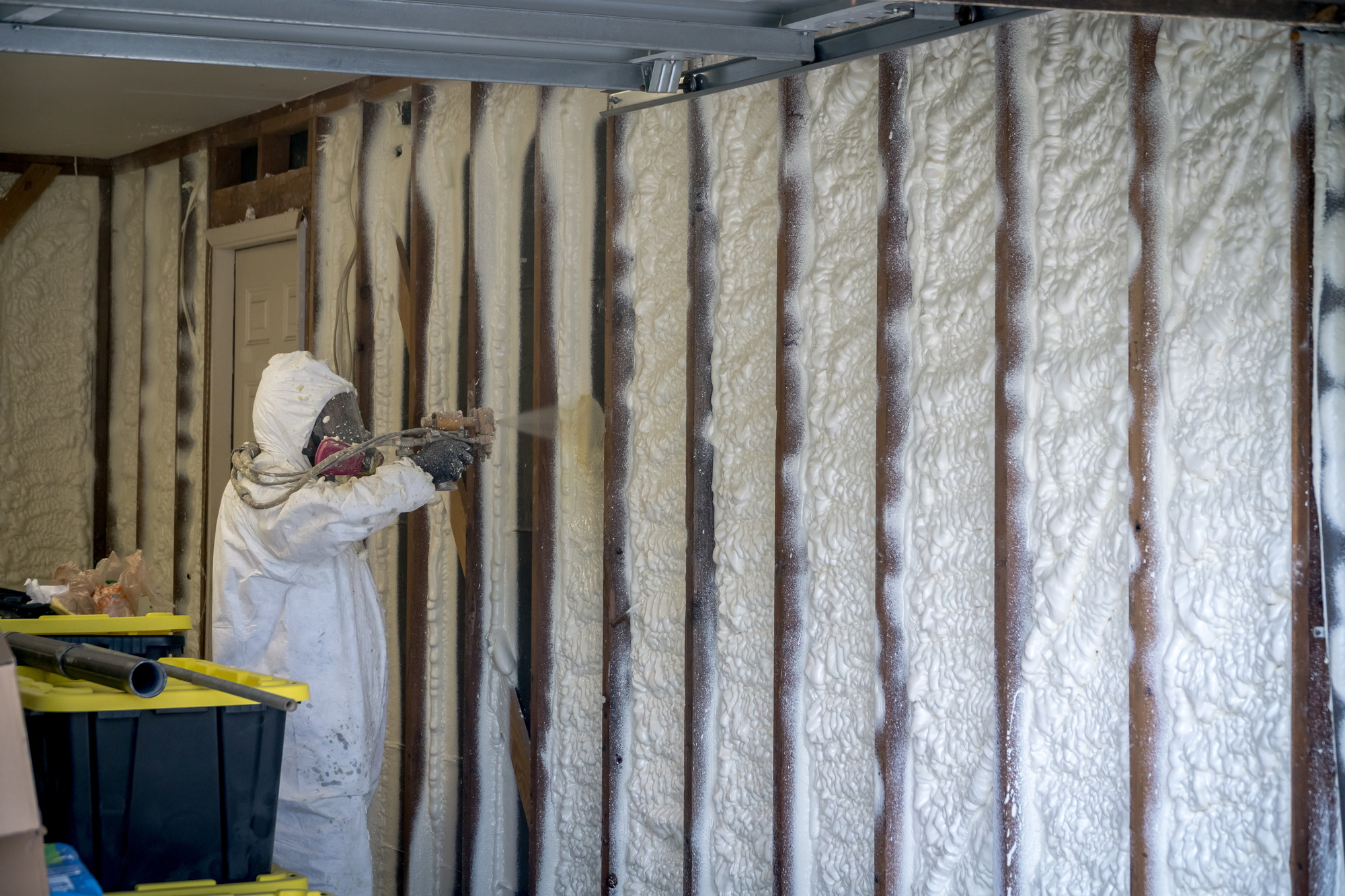
Spray foam insulation offers homeowners a comprehensive solution that extends far beyond simple energy cost reduction by actively regulating indoor moisture, reinforcing structural integrity, and drastically improving air quality. While the financial return on investment often serves as the primary catalyst for installation, choosing a trusted spray foam insulation contractor in Grants Pass, OR delivers the immediate stabilization of the living environment as the most significant long-term asset for residents in the Pacific Northwest. By creating a seamless, airtight barrier, this material addresses specific regional challenges, such as high humidity in winter and intense heat in summer.
Residents in Grants Pass frequently encounter issues with traditional fiberglass insulation, which fails to effectively prevent airflow, leading to uncomfortable drafts and the intrusion of outdoor pollutants. Spray foam expands rapidly to fill microscopic cracks and large voids alike, creating a sealed envelope that separates the conditioned interior from unpredictable weather patterns. Industry data suggests that uncontrolled air leakage accounts for nearly 40% of energy loss in typical residential structures, yet the improvement in daily living standards often outweighs the monetary costs.
Environmental Quality
The most noticeable improvement for families living in Southern Oregon involves the purity and stability of the air inside their homes. Because the Rogue Valley experiences distinct seasons, with wet winters and periods of wildfire smoke in late summer, maintaining a sealed indoor environment is necessary for health. A properly insulated home acts as a sanctuary, filtering out external irritants while maintaining consistent humidity levels that inhibit bacterial growth.
Air Filtration and Allergen Reduction
Traditional insulation materials function like a woolen sweater: they retain heat while allowing air to pass through the fibers relatively unimpeded. In contrast, spray foam functions like a windbreaker, completely blocking the flow of outdoor air into the living space. This air barrier is particularly effective at preventing dust, pollen, and other microscopic particulate matter from drifting through wall cavities and attic vents.
Impact on Respiratory Health
For households with members who have asthma or seasonal allergies, reducing indoor pollutants creates a significantly safer, more comfortable daily experience. The foam’s sealing properties prevent the migration of irritants that commonly plague homes in the region during high-pollen seasons.
- Reduction of microscopic particulates: The airtight seal prevents delicate particulate matter from wildfire smoke or agricultural dust from penetrating the building envelope and settling on furniture or bedding.
- Elimination of fiberglass particles: unlike traditional batts, which can shed irritant fibers into the HVAC system over time, spray foam remains solid. It does not introduce new particulates into the air supply.
- Control of humidity-driven allergens: By regulating moisture levels inside the home, the foam creates an environment less hospitable to dust mites and other pests that thrive in damp conditions.
Moisture Management in the Pacific Northwest
The Grants Pass area sees significant rainfall during the winter months, which introduces the risk of moisture intrusion and condensation within wall cavities. When warm indoor air comes into contact with cold exterior sheathing, water droplets form, creating a breeding ground for mold and mildew. Closed-cell spray foam acts as a powerful vapor retarder, preventing this interaction by blocking warm air from ever reaching the cold surface.
Bonus Tip: Rim Joist Sealing
Homeowners often overlook the rim joist area in the basement or crawl space, yet this is a primary entry point for moisture and cold air. Applying a layer of spray foam here seals the critical gap between the foundation and the wood framing, effectively stopping ground-level moisture from rising into the main living area.
Structural Integrity and Home Durability
Many property owners are unaware that the type of insulation they choose can actually increase the physical strength of their house against external forces. Because spray foam adheres aggressively to building materials during expansion, it bonds the structural components into a unified system. This bonding effect provides a level of durability that mechanical fasteners like nails and screws cannot achieve on their own.
Fortifying the Building Envelope
Walls that are insulated with spray foam demonstrate a higher resistance to racking, the distortion of the frame caused by high winds or seismic activity. The cured foam becomes a rigid material that glues the exterior sheathing directly to the wall studs, creating a composite system that is much stronger than its individual parts. This added rigidity helps the home resist movement and maintain its shape even under the stress of severe weather events.
Resistance to Wind and Weather
In areas susceptible to storms, the added structural bond provided by spray foam can be a deciding factor in minimizing damage during high-wind events. The material helps transfer the load across the entire wall or roof assembly rather than concentrating stress on specific fasteners or joints.
- Prevention of roof uplift: When applied to the underside of a roof deck, the foam acts as a secondary adhesive that holds the sheathing to the trusses, significantly reducing the risk of shingles or decking blowing off.
- Protection against water damage: Closed-cell foam is naturally water-resistant and will not absorb moisture even if the exterior siding is compromised, offering a secondary line of defense against leaks.
- Long-term material stability: Unlike cellulose, which settles over time or fiberglass, which can sag, cured spray foam maintains its shape and density indefinitely, ensuring the structural support remains constant.
Acoustic Comfort and Noise Pollution
A quiet home provides a sense of peace and privacy that is difficult to quantify but immediately felt by everyone who enters the space. The density and expansive nature of spray foam insulation serve as an excellent sound dampener, reducing the transmission of noise from both outside traffic and between different rooms inside the house. Residents near the Rogue River or busy thoroughfares often report a stark difference in interior quietness.
Sound Dampening Properties
Open-cell spray foam is particularly effective at absorbing sound waves due to its softer, sponge-like texture that traps noise rather than reflecting it. This quality makes it an ideal choice for insulating interior walls between bathrooms, bedrooms, and laundry rooms to prevent sound travel. For exterior walls, the airtight seal stops airborne noise from entering through gaps, while the mass of the foam dampens vibration.
Ideal Locations for Soundproofing
To maximize acoustic privacy, experts recommend targeting shared walls between the main bedroom and living areas, as well as the ceiling between the first and second floors. These specific zones benefit most from open-cell foam’s sound-absorbing properties.
Things to Consider Before Making a Decision
Choosing the right insulation requires careful evaluation of the property’s specific needs and the homeowner’s goals. Before scheduling a project, assess the home’s existing ventilation strategy to ensure that envelope sealing does not trap stale air. Modern building science dictates that a house must be ventilated appropriately once it is made airtight to ensure a healthy exchange of fresh air.
Comparing Insulation Materials
Homeowners must weigh the characteristics of different foam types against their budget and specific application requirements. The following table outlines the key differences between the two primary categories of spray foam available on the market.
|
Feature |
Open-Cell Foam |
Closed-Cell Foam |
|---|---|---|
|
Structure |
Soft, flexible, sponge-like texture |
Rigid, dense, and hard finish |
|
Expansion Rate |
High expansion (fills large voids easily) |
Lower expansion (requires more layers) |
|
Moisture Handling |
Breathable (allows vapor to pass) |
Waterproof (acts as a vapor barrier) |
|
R-Value per Inch |
Approximately R-3.5 to R-3.8 |
Approximately R-6.0 to R-7.0 |
|
Best Application |
Interior walls, sound-dampening |
Basements, exterior walls, heavy moisture |
Questions People Ask About Spray Foam Insulation
Does spray foam insulation attract pests or rodents?
Spray foam does not attract pests because it offers no food value and is not a comfortable nesting material. Unlike fiberglass or cellulose, which rodents can easily tear apart to build nests, cured spray foam is difficult to burrow through. When used to seal rim joists and crawl spaces, it actually blocks the tiny entry points that mice and insects typically use to gain access to the home.
How long does the insulation last once installed?
When properly installed and protected from direct sunlight, spray foam insulation is designed to last for the life of the building. It does not sag, settle, or degrade over time, which means its performance remains consistent decades after application. Unless the material is physically removed during a renovation or damaged by an external force, it requires no maintenance or replacement.

Is it safe to stay in the house during the installation?
Residents must vacate the home during the spraying process and for a 24-hour curing period afterward. The chemical reaction that creates the foam releases gases that require professional ventilation to clear safely. Once the foam has fully cured, it becomes inert and safe for all occupants, releasing no further emissions or odors.
Can spray foam be applied to an existing home?
Spray foam is highly effective in existing homes, although the application method depends on the accessibility of the spaces. It is easily applied in open areas such as attics, crawl spaces, and unfinished basements where the framing is exposed. For finished walls, drywall may need to be removed to allow for a standard spray application, or specialized injection foam can be used in some cases.
Will spray foam trap water if the roof leaks?
Closed-cell foam is water-resistant, but there is a concern that it could hide a roof leak by preventing water from dripping into the living space immediately. However, most experts agree that the benefits of the air and water seal outweigh this risk. If a leak does occur, the damage is typically localized because water cannot migrate laterally through the insulation, reducing the repair area.
Summary and Final Thoughts
The decision to upgrade to spray foam insulation in Grants Pass brings advantages that extend well beyond the monthly utility budget. By securing the building envelope, homeowners gain control over their indoor environment, effectively protecting it from moisture, allergens, and excessive noise. The added structural integrity and pest deterrence further secure the investment, making the home more durable and resilient against the specific climate challenges of Oregon.
Property owners should assess their specific goals—whether that involves reducing wildfire smoke infiltration, soundproofing a nursery, or preventing crawl space mold—to determine the best approach. Consulting with a professional who understands the local climate ensures that the insulation strategy aligns with the home’s ventilation needs and long-term maintenance plans.
Taking the Next Step
For homeowners ready to improve their living environment, the next logical step is a professional assessment of the property’s current insulation. A qualified expert can identify air leaks and recommend the correct foam density for specific areas of the house to maximize comfort and efficiency.
All Foam & Insulation, LLC specializes in building science solutions that are tailored to the Southern Oregon region. They provide detailed evaluations to help residents understand how advanced insulation can resolve specific comfort and moisture issues. To discuss project options or schedule a site visit, interested parties can reach them at (541) 826-9600 or send inquiries to [email protected].
Reviewer: Lily Johnson offered her feedback after reviewing this post. With 8 years in the spray foam insulation field, her suggestions focused on improving outreach to homeowners seeking high-quality insulation solutions.