
Spray Foam Insulation Services in Nashville, TN for Energy-Efficient Upgrades
Upgrading insulation is one of the most direct ways to reduce energy use in residential and commercial buildings. For property owners choosing the right spray foam insulation services in Nashville helps improve indoor comfort, lower monthly bills, and support better moisture control across seasons.
Whether planning new construction or improving an older structure, understanding how spray foam works—and how to choose the right provider—makes the upgrade more efficient and less disruptive. This guide outlines the practical considerations, performance comparisons, and local insights needed to make informed insulation choices.
Why Spray Foam is Used for Energy-Efficient Upgrades
Spray foam creates a tighter seal and higher R-value than traditional materials. It prevents air leaks and improves long-term building efficiency.
Closed-Cell vs. Open-Cell Foam
Closed-cell foam is dense and rigid, offering structural support and high moisture resistance. Open-cell foam is lighter and expands more, which helps with sound control and interior wall insulation. Both types can support efficiency goals, depending on placement.
Application Areas in Residential and Commercial Properties
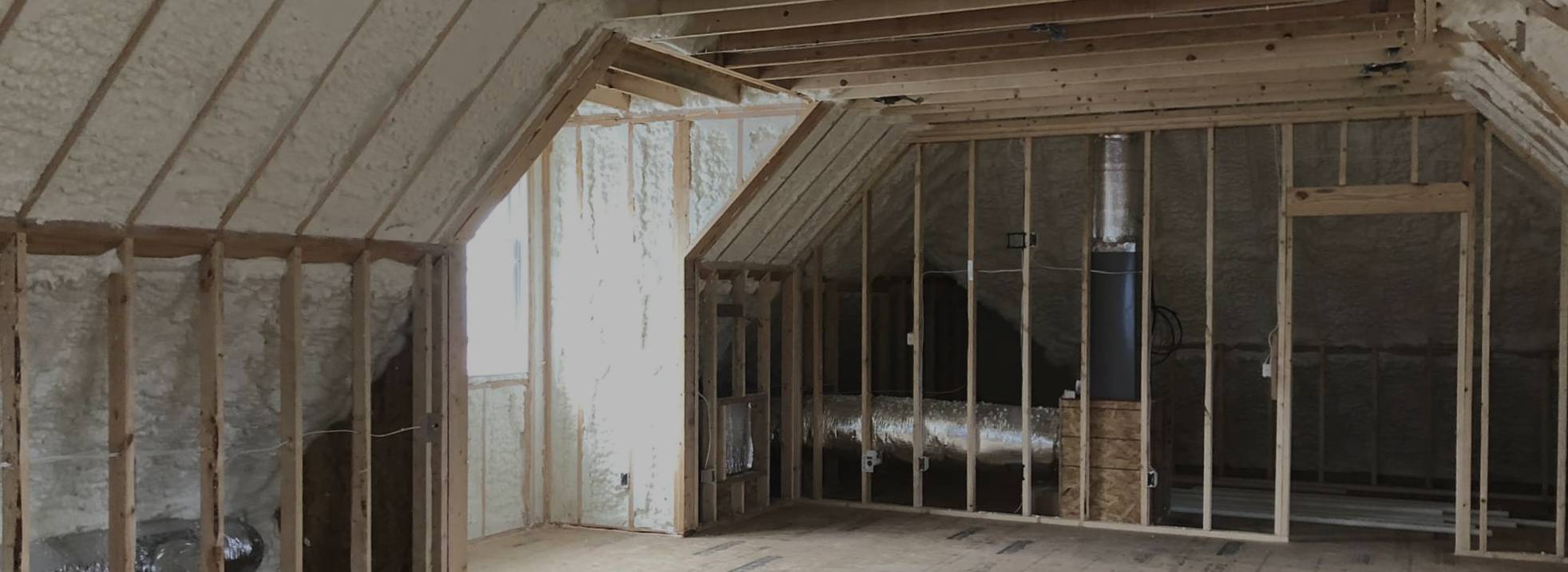
Spray foam is used in attics, wall cavities, rim joists, crawlspaces, and ceilings. In commercial buildings, it may also be applied to metal structures, HVAC ducts, and loading areas to maintain temperature control and protect materials.
|
Application Zone |
Benefits of Spray Foam |
Common Foam Type |
|---|---|---|
|
Attic |
Reduces heat transfer, controls airflow |
Open-Cell or Closed-Cell |
|
Crawlspace |
Blocks moisture, supports air sealing |
Closed-Cell |
|
Rim Joists |
Seals air gaps, improves efficiency |
Closed-Cell |
|
Interior Walls |
Improves comfort, controls sound |
Open-Cell |
|
Commercial Roof Decks |
Prevents leaks, adds structural support |
Closed-Cell |
What to Expect from Professional Spray Foam Insulation Services
Nashville property owners should expect precision, preparation, and clear results from an experienced insulation team.
Site Evaluation and Material Selection
Reliable teams begin with a full site walkthrough. This includes checking current insulation, identifying air leakage points, and selecting foam types that match the building’s use and exposure.
Trained Application Techniques
Using high-pressure spray rigs, trained crews apply foam in layers. Material expansion must be controlled to ensure full adhesion and proper R-value. Foam application specialists monitor temperature, ventilation, and humidity during installation.
Post-Application Review
After curing, the work area should be inspected to confirm complete coverage and safe sealing. The best teams verify that no gaps or shrinkage remain and that equipment and surfaces are clean and undamaged.
Selecting a Trusted Foam Contractor in Nashville
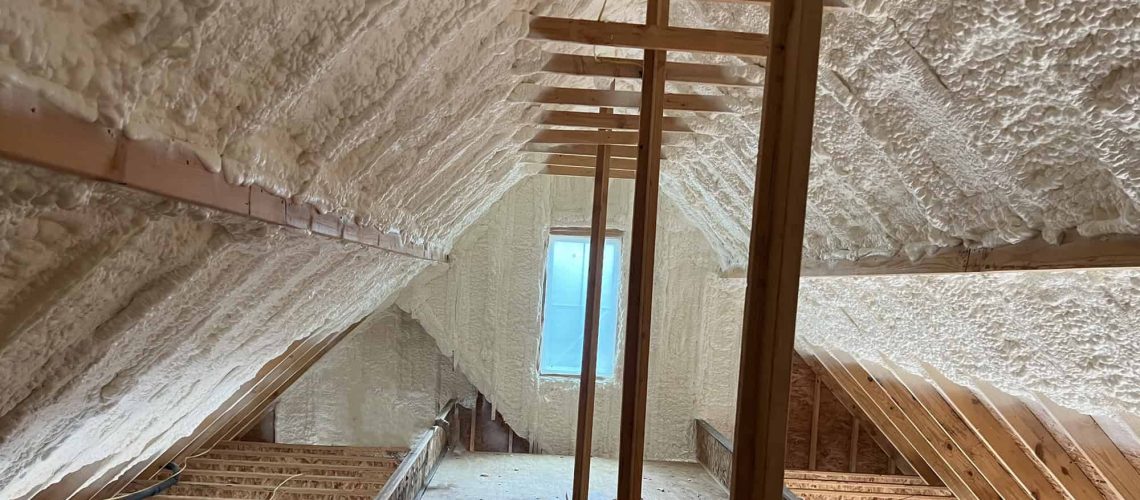
Choosing a provider for spray foam insulation services is more than comparing price quotes. Proven skill, attention to detail, and regional experience set the best teams apart.
Field Experience With Local Building Types
The insulation needs of a 1940s East Nashville bungalow differ from a West End retail space. Experienced spray foam teams know how to adjust their approach for brick walls, crawlspaces, or aging HVAC layouts.
Verified Certifications and Safety Practices
Top providers maintain third-party certifications and ongoing product training. Licensed crews follow safety procedures for foam handling, equipment calibration, and ventilation management.
Clear Communication and Support
Professional teams explain foam types, timeline, access requirements, and what to expect during curing. A trusted foam contractor also gives written details of services and return visits if touch-ups are needed.
When to Use Spray Foam Over Traditional Insulation
Fiberglass or cellulose can degrade over time, attract moisture, or compress, which reduces efficiency. Spray foam resists settling, blocks vapor, and delivers stronger air sealing.
Moisture Concerns in Crawlspaces or Basements
Closed-cell spray foam helps reduce mold risk by resisting water intrusion. In high-humidity zones like Nashville, this makes it useful for low-ventilation spaces.
Retrofit Projects in Older Homes
Many Nashville homes lack consistent wall insulation. Professional spray foam teams can inject open-cell foam into cavities without removing entire drywall sections, supporting energy upgrades with minimal disruption.
Zoned Energy Control in Large Buildings
Spray foam is used to create distinct temperature zones in warehouses, offices, and multi-use buildings. This supports better HVAC performance and equipment reliability.
How Spray Foam Supports Long-Term Efficiency
Over time, energy-efficient spray foam reduces utility usage, minimizes HVAC cycles, and stabilizes temperature swings.
Air Sealing vs. Insulation Only
Traditional insulation slows heat transfer but doesn’t block air leaks. Spray foam does both, which improves heating and cooling balance.
Reduced Equipment Load
By preventing conditioned air from escaping, spray foam shortens HVAC runtime. This reduces maintenance needs and extends system lifespan.
Consistent Indoor Comfort
Rooms maintain more even temperatures, with fewer drafts and hot or cold spots. This improves comfort in both residential and commercial settings, particularly in spaces with varying floor plans.
Ready to Achieve Energy-Efficient Indoor Performance?
Insulation directly affects how buildings handle airflow, moisture, and temperature. For Nashville homes and businesses, spray foam helps address these factors at the source—walls, ceilings, attics, and crawlspaces.
Armored Insulation provides detailed, performance-driven spray foam insulation services tailored to local needs. The team specializes in both retrofit and new-build projects, using certified application techniques and material-specific solutions.
Call (270) 727-5566 or email [email protected] to begin a focused upgrade plan with experienced professionals.
FAQs
Can spray foam be added to existing walls without full demolition? Yes. Open-cell foam can be injected into wall cavities through small access holes. This method is often used in older homes during energy upgrades.
Is spray foam safe to use in basements and crawlspaces? Closed-cell spray foam is ideal for moisture-prone areas. It resists mold, strengthens structure, and provides reliable air sealing.
How soon can HVAC systems be turned on after installation? Most areas are safe for HVAC use after 24 hours of curing, depending on foam type and ventilation during application. Always follow professional guidance.
Does spray foam reduce outside noise? Yes. Open-cell foam dampens airborne sound. It’s often used in shared walls or exterior-facing rooms to improve acoustic comfort.
What should be done before scheduling spray foam services? Clear access to walls, ceilings, or crawlspaces is necessary. Remove furniture or obstacles and confirm power supply for equipment operation.
Author: Jared Baker, Owner and Director of Business, brings deep local insight and strong business expertise to Armored Insulation as a native of Mayfield. While continuing a full-time role as a Staff Officer with a federal natural resources agency, he has successfully built multiple ventures, including Bluegrass Commercial Cleaning, Animal Tales, and Undercover Properties. As Armored’s Business and Marketing Manager, he plays a key role in upholding the company’s focus on delivering top-tier service.
Reviewer: Mia Clark used her 9 years of experience in spray foam to review this article and offered input focused on helping companies make their services easier to understand and market effectively.