
Streamline Your IT Incident Management with These 5 Key ITIL Templates
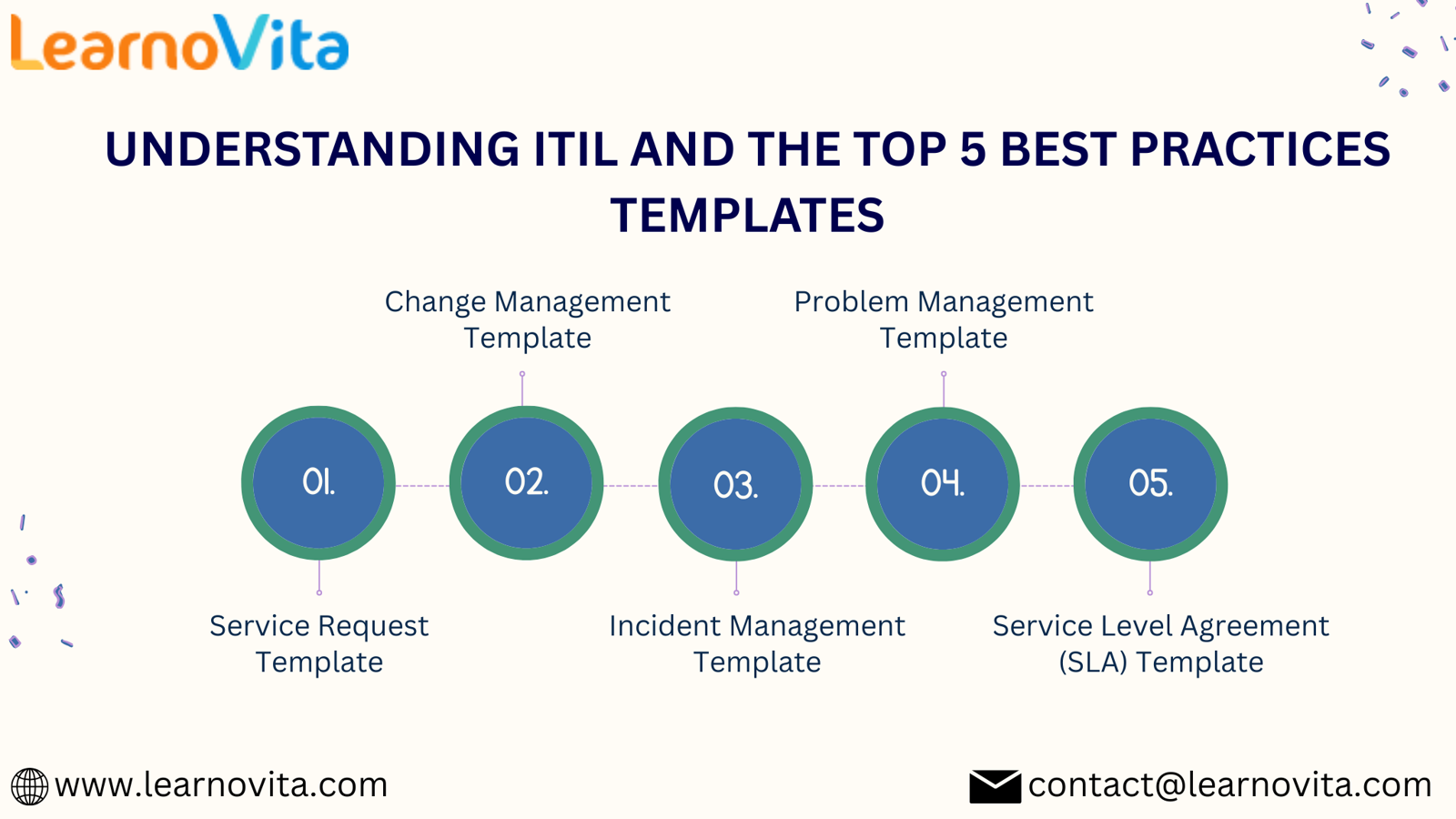
Effective incident management is crucial for ensuring high-quality IT service delivery. By implementing ITIL (Information Technology Infrastructure Library) best practices, organizations can enhance their incident management processes. Here are five vital templates to strengthen your incident management approach.
If you want to excel in this career path, then it is recommended that you upgrade your skills and knowledge regularly with the latest ITIL Training in Bangalore.
1. Incident Report Template
An incident report template is essential for capturing all relevant details about an incident, ensuring thorough documentation. Key components usually include:
- Incident ID: A unique identifier for each incident.
- Date and Time: Timestamps indicating when the incident was reported and when it occurred.
- Reported By: Contact information for the individual who reported the incident.
- Description: A detailed account of the incident.
- Impact Severity: An evaluation of how the incident affects operations.
- Resolution Steps: Actions taken to resolve the incident.
Benefits
- Provides a complete record for future reference.
- Assists in identifying patterns in recurring incidents.
2. Incident Management Workflow Template
This template outlines the key steps in the incident management process, typically including:
- Identification: Acknowledging that an incident has occurred.
- Logging: Documenting incidents in an organized tracking system.
- Categorization: Classifying incidents based on their nature.
- Prioritization: Evaluating the urgency and impact of each incident.
- Investigation and Diagnosis: Analyzing the incident to find root causes.
- Resolution and Recovery: Implementing solutions and restoring services.
- Closure: Finalizing the incident after resolution.
Benefits
- Ensures a consistent approach to managing incidents.
- Speeds up resolution times through structured methods.
3. Communication Plan Template
Clear communication is critical during incidents to keep stakeholders informed. This template organizes communication strategies by focusing on:
- Stakeholders: Identifying key individuals and teams needing updates.
- Communication Methods: Specifying the channels (email, meetings, etc.) to be utilized.
- Frequency: Indicating how often updates will be shared (e.g., hourly, daily).
- Content: Information to be communicated, including status updates and next steps.
Benefits
- Keeps all parties informed, reducing uncertainty.
- Enhances transparency and fosters trust among stakeholders.
With the aid of ITIL Certification Course programs, which offer comprehensive training and job placement support to anyone looking to develop their talents, it’s easier to learn this tool and advance your career.
4. Root Cause Analysis Template
Conducting post-incident reviews is vital for preventing future incidents. This template helps teams document their findings from root cause analysis (RCA):
- Incident Overview: A summary of the incident.
- Symptoms: Observations made during the incident.
- Root Causes: Factors contributing to the incident.
- Contributing Factors: Additional issues that worsened the situation.
- Action Plan: Steps to prevent recurrence, including assigned responsibilities and timelines.
Benefits
- Promotes a proactive approach to incident prevention.
- Allows organizations to learn from past occurrences.
5. Service Level Agreement (SLA) Monitoring Template
Monitoring SLAs related to incident resolution is essential for maintaining accountability in service delivery. This template includes:
- SLA Definitions: Clear descriptions of service agreements.
- Incident Categories: Grouping incidents by priority levels and related SLAs.
- Performance Metrics: Tracking compliance with SLA targets (e.g., response times and resolution times).
- Reporting: Summary of SLA performance over time.
Benefits
- Maintains service quality and enhances customer satisfaction.
- Highlights areas for improvement in incident response times.
Conclusion
By adopting these key ITIL incident management templates, organizations can significantly enhance their processes, boost efficiency, and improve service quality. Establishing standardized methods for managing, communicating about, and analyzing incidents enables a more systematic approach to incident resolution, benefiting both IT teams and end-users.
Feel free to adjust these templates to cater to your organization’s specific needs and culture, fostering a more agile and effective incident management strategy.