
Streamlining Letting Management: From Viewings to Tenancies
Managing rental properties can be a rewarding venture, but it often comes with a complex web of tasks that require careful coordination. From scheduling viewings and screening tenants to handling contracts and ongoing maintenance, letting management demands efficiency and attention to detail. Fortunately, with the right strategies and tools, landlords and letting agents can streamline these processes, saving time and reducing stress while improving tenant satisfaction.
This article explores practical approaches to optimizing letting management, focusing on key stages such as property viewings, tenant selection, lease agreements, and tenancy management. Whether you are a seasoned landlord or new to property letting, these insights will help you create a smoother, more professional rental experience.
Optimizing Property Viewings: First Impressions Matter
Scheduling and Organizing Viewings Efficiently
One of the earliest and most critical steps in letting management is arranging property viewings. This stage sets the tone for prospective tenants and can significantly influence their decision to rent. Managing multiple enquiries and coordinating viewing times can quickly become overwhelming without a clear system.
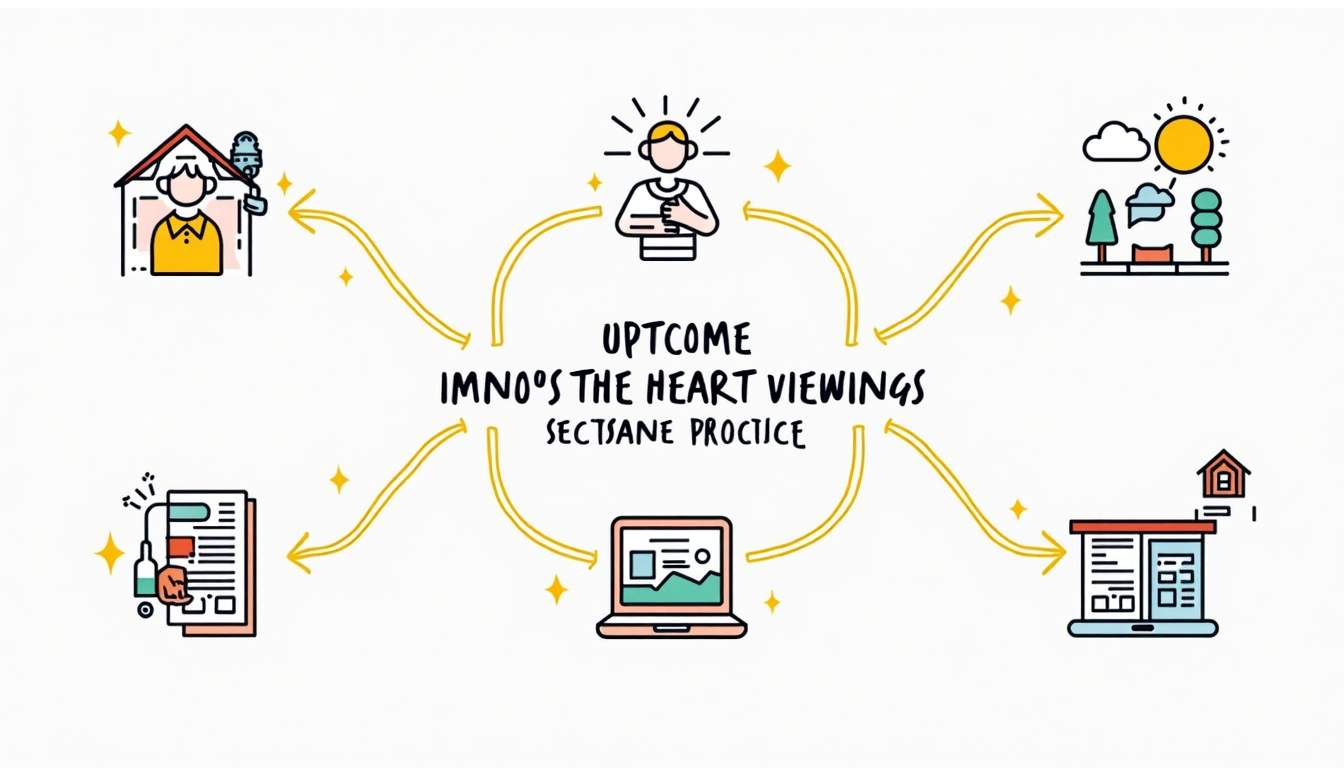
To streamline this process, consider using online booking platforms that allow prospective tenants to select available time slots themselves. This reduces back-and-forth communication and helps avoid double bookings. Additionally, sending automatic reminders via email or SMS can decrease no-shows, ensuring your time is well-spent. Implementing a calendar management tool can also help you visualize your schedule, making it easier to spot gaps for additional viewings or to accommodate last-minute requests from interested parties.
Preparing the Property to Impress
Before any viewing, ensure the property is clean, well-lit, and free of clutter. Small touches such as fresh flowers, neutral décor, and clear signage can create a welcoming atmosphere. Providing printed or digital brochures with essential details—rent, deposit, local amenities, and transport links—can also help tenants make informed decisions. Furthermore, consider staging the property to highlight its best features; for instance, arranging furniture to create an inviting layout can help potential tenants envision themselves living in the space.
Virtual tours have become increasingly popular, especially in times when in-person visits may be limited. High-quality videos or 3D walkthroughs allow prospective tenants to explore the property remotely, filtering serious candidates and saving time for both parties. Additionally, incorporating interactive elements into these virtual tours, such as clickable hotspots that provide more information about specific rooms or features, can enhance the viewing experience. This not only showcases the property effectively but also demonstrates your commitment to leveraging technology for a modern renting experience. To learn more, you can visit Property Store website for detailed insights and property options.
Tenant Screening: Finding the Right Fit
Comprehensive Background Checks
Once viewings generate interest, the next crucial phase is tenant screening. Ensuring that tenants are reliable, financially stable, and respectful of the property is vital to a successful tenancy. Conducting thorough background checks—including credit history, employment verification, and previous landlord references—can mitigate risks. These checks not only reveal a tenant’s financial habits but also their rental history, which can indicate their likelihood of being a responsible tenant.
Many letting agencies and landlords now use professional screening services that compile these checks into a comprehensive report. This not only speeds up the decision-making process but also provides peace of mind that the tenant meets your criteria. Additionally, these services often include criminal background checks, which can be a crucial factor in ensuring the safety and security of the property and the surrounding community. By leveraging technology, landlords can access a wealth of information that helps them make informed decisions, ultimately leading to a more harmonious landlord-tenant relationship.
Fair and Transparent Selection Criteria
Establishing clear, consistent criteria for tenant selection helps avoid potential discrimination issues and ensures fairness. Communicate these standards openly with applicants, such as minimum income requirements, pet policies, or smoking restrictions. Transparency fosters trust and sets expectations from the outset. Furthermore, it is essential to regularly review and update these criteria to reflect changes in the market or legal standards, ensuring that the selection process remains equitable and relevant.
In some cases, meeting prospective tenants in person or via video call can provide additional insight into their suitability and help build rapport. This personal touch can be particularly valuable when multiple applicants meet the basic criteria. Engaging in a conversation can reveal a tenant’s personality and values, which are just as important as their financial qualifications. Additionally, it allows landlords to gauge how well the tenant might fit into the community and whether they will respect the property and neighbors, ultimately contributing to a positive living environment for everyone involved.
Seamless Lease Agreements and Documentation
Digitizing Contracts and Signatures
Preparing and managing lease agreements is often a paperwork-heavy task. Transitioning to digital contracts can significantly streamline this process. Electronic signatures are legally binding and allow tenants to review and sign documents remotely, speeding up turnaround times. This not only enhances convenience for both landlords and tenants but also reduces the carbon footprint associated with printing and mailing physical documents.
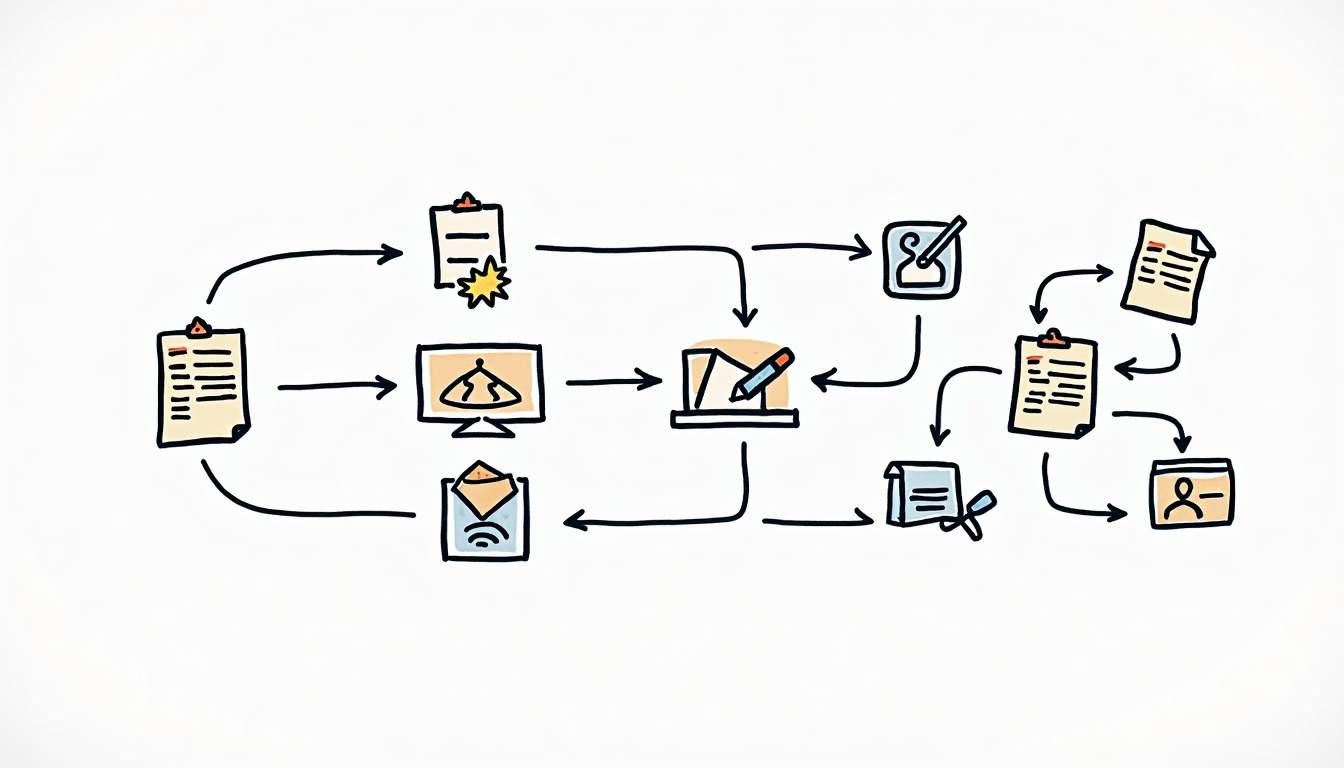
Using standardized lease templates tailored to local laws ensures compliance and reduces errors. Many property management platforms offer customizable templates that include clauses covering rent payment terms, maintenance responsibilities, and termination conditions. Additionally, incorporating features like automated reminders for upcoming lease renewals or rent due dates can help both parties stay organized and informed, minimizing potential disputes.
Clear Communication of Terms and Conditions
Beyond the legal jargon, it’s important to communicate lease terms in plain language. Highlight key points such as rent due dates, penalties for late payments, and procedures for reporting maintenance issues. Providing a tenant handbook or welcome pack can reinforce understanding and promote a positive landlord-tenant relationship. This handbook can include not only the lease terms but also neighborhood information, local amenities, and emergency contact numbers, creating a sense of community and support for new tenants.
Moreover, regular check-ins and open lines of communication can further enhance the landlord-tenant relationship. Utilizing digital platforms for updates or reminders about property maintenance schedules or community events can foster a sense of belonging and encourage tenants to engage with their living environment. By prioritizing transparency and accessibility in communication, landlords can build trust and ensure that tenants feel valued and informed throughout their lease period.
Efficient Tenancy Management: Maintaining Smooth Operations
Rent Collection and Financial Tracking
Once a tenancy begins, consistent rent collection is essential. Automating payments through direct debit or online portals reduces missed payments and administrative burden. Many property management systems offer integrated financial tracking, generating reports that simplify accounting and tax preparation.
Setting up clear policies for late payments, including reminders and potential fees, helps maintain cash flow and encourages timely payments. However, maintaining open communication with tenants experiencing difficulties can prevent disputes and foster goodwill.
Proactive Maintenance and Repairs
Maintaining the property in good condition benefits both landlord and tenant. Implementing a system for tenants to report maintenance issues online ensures problems are addressed promptly. Scheduling regular inspections can identify potential issues before they escalate, protecting the property’s value.
Building relationships with reliable contractors and tradespeople allows for quick and cost-effective repairs. Additionally, keeping detailed records of maintenance activities and expenses supports transparency and aids future planning.
Handling Tenancy Renewals and Endings
As tenancy terms approach expiration, proactive communication is key. Sending reminders well in advance allows tenants to decide whether to renew or vacate. For renewals, updating lease agreements to reflect any changes in rent or terms can be handled digitally for convenience.
When a tenancy ends, conducting thorough move-out inspections helps assess property condition and determine any necessary deductions from the security deposit. Providing tenants with clear instructions on the move-out process and deposit return timelines reduces misunderstandings and ensures a smooth transition.
Leveraging Technology to Enhance Letting Management
Integrated Property Management Software
Modern property management software offers comprehensive solutions that cover every stage of letting management. From listing properties and scheduling viewings to screening tenants and managing payments, these platforms centralize operations, improving efficiency and data accuracy.
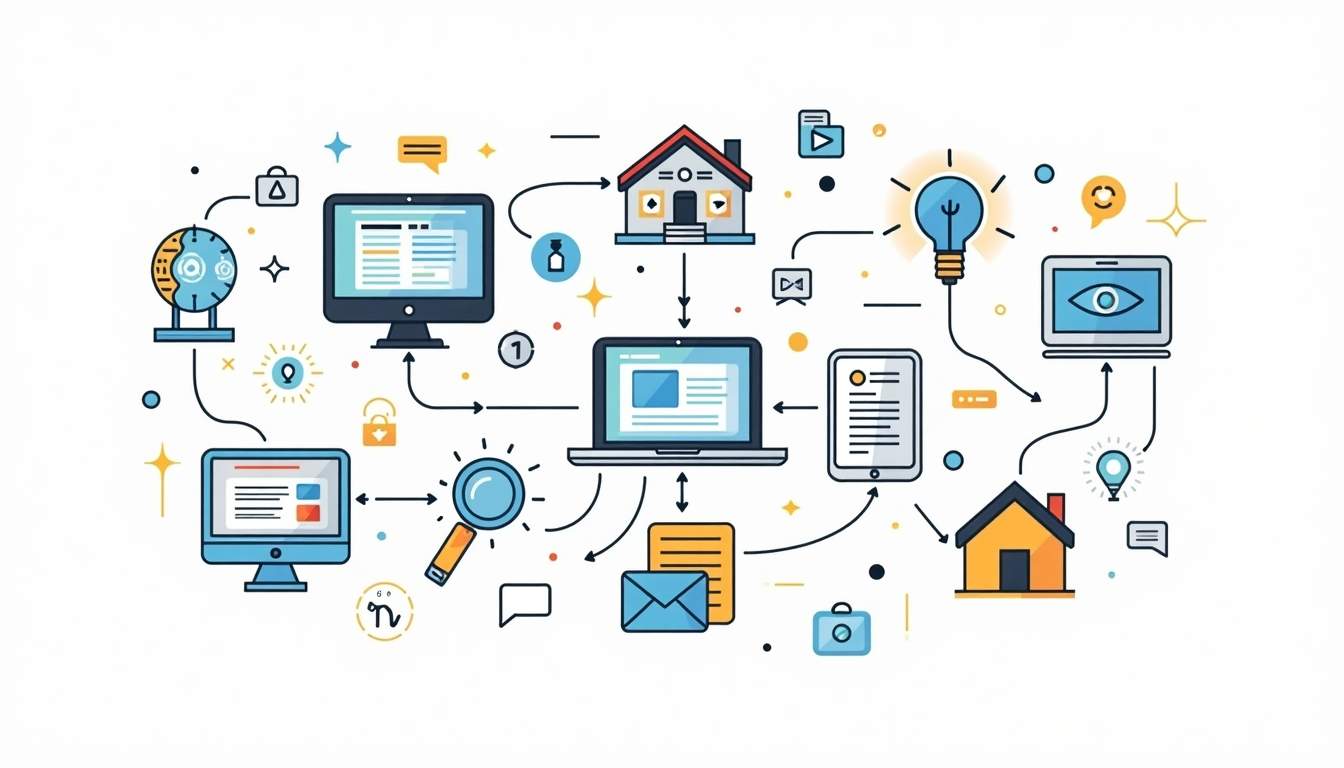
Features such as automated reminders, document storage, and communication portals streamline interactions between landlords, agents, and tenants. Cloud-based systems also provide access from any device, supporting flexible working arrangements.
Data Security and Compliance
Handling sensitive tenant information requires strict adherence to data protection regulations. Choosing software with robust security measures, including encryption and access controls, safeguards personal data. Staying informed about legal requirements—such as GDPR in Europe—ensures compliance and protects your business from penalties.
Building Positive Relationships for Long-Term Success
Beyond processes and technology, the human element remains central to successful letting management. Prompt communication, respectful interactions, and responsiveness to tenant needs foster trust and encourage longer tenancies. Happy tenants are more likely to care for the property and recommend your services to others.
Regular feedback surveys can provide valuable insights into tenant satisfaction and highlight areas for improvement. Investing in good landlord-tenant relationships ultimately contributes to a more stable and profitable rental business.
Conclusion
Streamlining letting management requires a blend of efficient systems, clear communication, and proactive engagement. By optimizing property viewings, conducting thorough tenant screening, digitizing lease agreements, and maintaining smooth tenancy operations, landlords and agents can reduce administrative burdens and enhance the rental experience.
Embracing technology and prioritizing positive relationships not only saves time but also builds a professional reputation that attracts quality tenants. In a competitive rental market, these strategies are essential for sustainable success from the first viewing to the end of tenancy.