
The Essential Guide to the Elevator Key Periosteal
In the precise world of surgery, the quality of an instrument can directly influence the outcome of a procedure. Specialized tools are designed for specific tasks, ensuring surgeons can work with accuracy and confidence. One such indispensable instrument, particularly in orthopedic and dental surgery, is the elevator key periosteal. This tool is fundamental for carefully separating the periosteum—the dense membrane covering the surface of bones—from the underlying bone itself. Its unique design allows for controlled, gentle elevation, which is critical for minimizing trauma and preparing the surgical site effectively.
Understanding the Design and Function
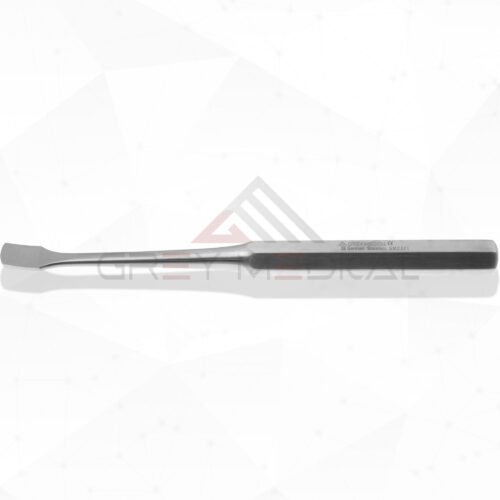
The design of an elevator key periosteal is both simple and highly effective. It typically features a flat, often slightly curved or rounded blade at one or both ends of a sturdy handle. The “key” aspect of its name refers to its shape, which provides the leverage needed to lift tissue cleanly. Surgeons use this instrument to meticulously dissect and reflect the periosteum, creating a clear field of view and access to the bone for procedures like fracture repair, implant placement, or bone grafting. The precision of this action is vital, as a healthy periosteum is essential for bone healing and blood supply.
Applications Across Surgical Specialties
While prominent in oral and maxillofacial surgery for dental extractions and implantology, the elevator key periosteal is also a staple in general orthopedics, neurosurgery, and plastic surgery. In orthopedic procedures, it is used to expose bone for plate and screw fixation. Neurosurgeons may use it during craniotomies to carefully lift the scalp and periosteum away from the skull. The versatility of this instrument highlights its importance in any procedure requiring atraumatic bone exposure, making it a common sight in operating rooms around the world.
The Importance of Quality and Material
The effectiveness of a surgical instrument is heavily dependent on its material and manufacturing quality. For a tool like the elevator key periosteal, medical-grade stainless steel is the material of choice due to its durability, corrosion resistance, and ability to be sterilized repeatedly without degradation. The craftsmanship determines the sharpness of the edge, the ergonomic comfort of the handle, and the overall balance of the instrument. High-quality manufacturing ensures the tool performs reliably, providing the surgeon with the tactile feedback needed for delicate maneuvers and preventing instrument failure during a critical procedure.
GreyMedical®: A Commitment to Surgical Excellence
When precision matters most, surgeons turn to manufacturers they can trust. GreyMedical® is a privately owned medical technology company dedicated to innovation and excellence in the craft of surgical instruments. Our commitment is reflected in every tool we produce, including the elevator key periosteal. By focusing on superior materials and meticulous engineering, GreyMedical® provides instruments that offer enhanced control, reliability, and performance. We understand that the tools in a surgeon’s hands are an extension of their skill, and we strive to provide the best possible instruments to support successful patient outcomes.
Conclusion
The elevator key periosteal is more than just a simple tool; it is a critical component in a wide array of surgical procedures. Its specialized design allows for the delicate but firm separation of the periosteum from bone, a fundamental step for many successful operations. The quality of this instrument directly impacts its performance, underscoring the need for superior materials and craftsmanship from trusted manufacturers like GreyMedical®. For surgeons who demand precision and reliability, this essential instrument is a cornerstone of their surgical toolkit.