
The Impact of Foundation Insulation on Indoor Comfort
Foundation insulation directly influences indoor comfort by stabilizing internal temperatures, reducing drafts, and limiting moisture intrusion. By insulating the foundation, heat transfer between the ground and the building’s interior is minimized. This results in more consistent room temperatures, improved energy efficiency, and fewer cold spots near floors.
Homes with properly insulated foundations experience reduced humidity levels and better air quality, particularly in basements or crawl spaces. This can significantly decrease mold risks and improve thermal comfort during both summer and winter. This article explores the mechanics, materials, selection factors, and best practices for foundation insulation, using technical data and comparisons to guide informed decisions.
[Image: Cross-section diagram of insulated foundation showing thermal flow reduction]
Types of Foundation Insulation
Different insulation materials and installation methods are used depending on the foundation type. Below is a comparison of common insulation options:
Foundation Insulation Options Comparison
|
Insulation Type |
Best For |
R-Value per Inch |
Moisture Resistance |
Durability |
Typical Use Case |
|
Rigid Foam Board |
Slab, Basement Walls |
4.5–6.5 |
High |
High |
Exterior or interior application |
|
Spray Foam |
Crawl Spaces, Basements |
6.0–7.0 |
Very High |
High |
Irregular surfaces |
|
Insulated Concrete Form (ICF) |
New Builds Only |
12–20 (total system) |
High |
Very High |
Structural + Insulation in one |
|
Blanket Insulation |
Interior Basement Walls |
3.0–4.0 |
Moderate |
Moderate |
Quick retrofit |
|
Slab Insulation (Rigid or EPS) |
Under or edge of slabs |
3.6–5.0 |
High |
High |
Prevents ground heat loss |
Bonus Tip: For retrofits, rigid foam boards are the most manageable and cost-effective option, especially on interior walls where space allows.

How Foundation Insulation Impacts Indoor Comfort
Temperature Regulation
Insulating the foundation reduces thermal bridging—the process where heat escapes through poorly insulated materials. This helps keep interior floors warmer in winter and cooler in summer.
Humidity Control
Basements and crawl spaces often suffer from high moisture levels. Insulation creates a vapor barrier that limits ground moisture from entering the home, improving air quality and reducing dampness.
Noise Reduction
Insulation also acts as a sound buffer. Rigid foam and spray foam insulation reduce noise transmission from outside and between foundation walls and upper floors.
[Image: Moisture-protected crawl space with closed-cell spray foam insulation]
Energy Efficiency
Reducing heat loss through the foundation leads to lower HVAC usage. According to the U.S. Department of Energy, up to 25% of a home’s total heat loss can occur through uninsulated foundations. Insulated foundations reduce this significantly, translating into noticeable savings over time.
Technical Specifications
Foundation Insulation Performance Table
|
Property |
Importance |
Typical Range |
|
R-Value |
Resistance to heat flow |
R-10 to R-20+ (full system) |
|
Permeability (perm) |
Moisture barrier effectiveness |
≤1.0 perm (rigid foam, spray) |
|
Compressive Strength |
Load-bearing capacity |
15–60 psi (rigid foams) |
|
Installation Depth |
Frost line adherence |
18–48 inches (varies by zone) |
|
Fire Resistance Rating |
Code compliance & safety |
Varies; use fire-rated panels |
Bonus Tip: Always select insulation with code-compliant fire resistance if it will be left exposed (e.g., in an unfinished basement).
Market Data Snapshot
- According to a 2024 Statista report, over 42% of U.S. homes built post-2005 include some form of foundation insulation.
- A study by the NAHB found that homes with insulated foundations consume 17% less energy on average than those without.
Things to Consider Before Making a Decision
Climate Zone
Insulation requirements vary significantly by region. Cold climates (Zones 5–7) require higher R-values and deeper installation depths.
Foundation Type
- Slab-on-grade: Benefits from edge insulation to stop heat flow through the slab perimeter.
- Crawl space: Should be sealed and insulated at the walls (not just the floor above).
- Basement: Can be insulated from the inside or outside; each has pros and cons.
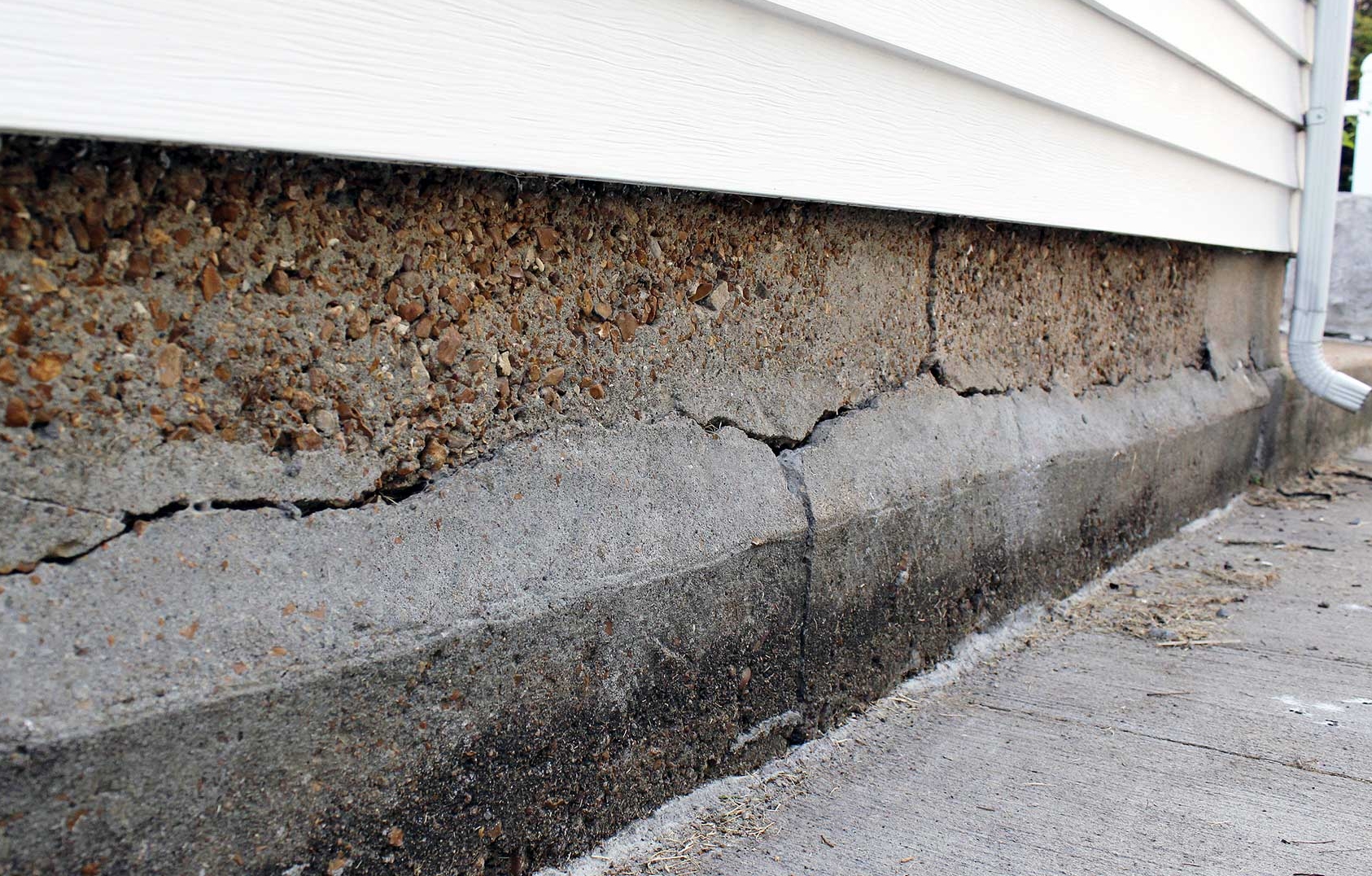
Existing Moisture Issues
If the foundation already shows signs of moisture intrusion or mold, resolve these issues before installing insulation. Otherwise, trapped moisture may worsen.
Budget and Access
Interior foundation walls are easier and cheaper to retrofit than exterior ones, which may require excavation.
Local Building Codes
Many municipalities now require specific insulation standards for new construction. Always check local codes to avoid fines or rework.
Bonus Tip: When possible, integrate foundation insulation during new construction to reduce labor costs and disruption.
Common Questions
What R-value should I use?
Cold climates typically require at least R-10 to R-15 for basement and crawl space walls, while slabs may only require R-5 to R-10, especially at the edges.
Is interior or exterior insulation better?
- Interior insulation is easier and cheaper to install, suitable for retrofits.
- Exterior insulation offers better protection against thermal bridging and moisture but is more labor-intensive.
Can I combine types of insulation?
Yes. For instance, rigid foam boards on exterior walls can be combined with spray foam in tight interior areas to ensure full coverage.
Will foundation insulation prevent mold?
It significantly reduces the risk but only when paired with proper drainage, vapor barriers, and air sealing.
Foundation Insulation FAQ
Does foundation insulation really make a difference in comfort?
Yes. It reduces cold floors, stabilizes temperatures, and improves humidity control, making living spaces more consistently comfortable.
Can I insulate my foundation myself?
Some methods, like rigid foam on interior walls, can be DIY-friendly. However, exterior insulation or spray foam often requires professional installation.
How long does foundation insulation last?
Most modern materials, such as rigid foam or closed-cell spray foam, can last 50 years or more if protected from UV and physical damage.
Is insulating a crawl space worth it?
Yes, especially if it’s vented or unsealed. Insulating the crawl space walls can improve comfort in the rooms above and protect pipes from freezing.
How do I know if my foundation needs insulation?
Signs include cold floors, high energy bills, basement dampness, and visible condensation or drafts along floor edges.
Make the Right Decision
Insulating your foundation has a measurable impact on indoor comfort, energy efficiency, and long-term building health. Whether you’re building a new home or upgrading an existing one, addressing the foundation is crucial for whole-home insulation performance.
Evaluate your local climate, foundation type, and budget to determine the best insulation method. Combine thermal insulation with vapor control and proper drainage to maximize comfort and efficiency year-round.