
The Path to a Confident Financial Future
Building a secure and confident financial future is a goal shared by many, yet it often feels elusive. Whether you’re just starting your career, planning for retirement, or somewhere in between, understanding how to manage your finances effectively can transform your life. This article explores practical steps and mindset shifts that can help you take control of your financial destiny with confidence.
Understanding Your Financial Foundation
Before diving into complex investment strategies or budgeting tools, it’s essential to have a clear grasp of your current financial situation. This foundation sets the stage for all future financial decisions. By taking the time to understand your financial landscape, you empower yourself to make informed choices that align with your long-term goals.
Assessing Your Income and Expenses
Start by tracking your income sources and monthly expenses. This process might seem tedious, but it reveals patterns in your spending habits and highlights areas where you can save. Use a simple spreadsheet or a budgeting app to categorize expenses such as housing, food, transportation, entertainment, and debt payments. You may also want to consider tracking irregular expenses, like annual subscriptions or seasonal costs, to get a complete picture of your financial obligations.
Understanding where your money goes each month allows you to identify unnecessary expenditures and redirect funds toward savings or debt reduction. It also helps prevent overspending, which can derail financial goals. Moreover, by analyzing your spending trends over several months, you may discover opportunities to negotiate bills or switch to more cost-effective services, further optimizing your financial health. For expert guidance, you can visit RetireStrong FA,
Building an Emergency Fund
Life is unpredictable, and unexpected expenses can arise at any time. An emergency fund acts as a financial safety net, providing peace of mind and preventing you from relying on credit cards or loans during tough times. Ideally, aim to save three to six months’ worth of living expenses in a readily accessible account. This fund can cover unforeseen costs such as medical emergencies, car repairs, or sudden job loss, allowing you to navigate challenges without added stress.
Starting small is perfectly fine. Even setting aside $20 or $50 a week can accumulate over time. The key is consistency and treating this fund as untouchable except for genuine emergencies. Additionally, consider automating your savings by setting up a direct deposit into your emergency fund account. This way, you can build your financial cushion without having to think about it, making saving a seamless part of your financial routine. Remember, the sooner you start, the more robust your safety net will become, ultimately leading to greater financial stability and confidence.
Mastering Budgeting: The Key to Financial Control
Budgeting is often misunderstood as a restrictive practice, but when done correctly, it empowers you to make intentional choices with your money. It allows you to prioritize your spending, ensuring that your financial resources are allocated in a way that aligns with your values and long-term aspirations. By taking control of your finances through budgeting, you can reduce stress and increase your overall financial well-being.

Choosing a Budgeting Method That Works for You
There’s no one-size-fits-all approach to budgeting. Some people prefer the envelope system, where cash is allocated for different spending categories. Others opt for zero-based budgeting, which assigns every dollar a specific purpose, ensuring income minus expenses equals zero. Additionally, some individuals find success with digital budgeting tools and apps that automate tracking and provide visual representations of their financial status, making it easier to stay on top of their spending habits.
Experiment with different methods until you find one that fits your lifestyle and personality. The goal is to create a sustainable habit that keeps your spending aligned with your priorities without feeling deprived. Consider your daily routines and spending triggers; this awareness can guide you in selecting a method that minimizes temptation and maximizes your financial discipline. Remember, the best budgeting method is one that you can stick to over the long haul, allowing you to adapt and refine it as your circumstances change.
Setting Realistic Financial Goals
Goals provide motivation and direction. Break down your financial aspirations into short-term, medium-term, and long-term objectives. For example, a short-term goal might be paying off a credit card, a medium-term goal could be saving for a down payment on a home, and a long-term goal might be building a retirement nest egg. Each of these goals should reflect your personal values and life aspirations, ensuring they resonate with what truly matters to you.
Make your goals SMART: Specific, Measurable, Achievable, Relevant, and Time-bound. This clarity helps you track progress and celebrate milestones along the way. Additionally, consider incorporating an accountability partner or financial advisor who can provide support and encouragement as you work toward these goals. Sharing your objectives with someone else can enhance your commitment and provide a fresh perspective, helping you to stay focused and motivated even when challenges arise. By regularly reviewing and adjusting your goals, you can maintain momentum and adapt to any changes in your financial situation or personal priorities.
Smart Debt Management: Turning Liabilities into Opportunities
Debt can be a significant source of stress, but when managed wisely, it doesn’t have to be a barrier to financial confidence.
Understanding Different Types of Debt
Not all debt is created equal. High-interest consumer debt, like credit cards, can quickly spiral out of control and should be prioritized for repayment. On the other hand, low-interest debt such as student loans or mortgages can be part of a broader financial strategy. Understanding the nuances between these types of debt is crucial; for instance, while credit card debt can hinder your credit score and financial flexibility, a mortgage may actually enhance your creditworthiness if managed properly.
Knowing the interest rates, terms, and total amounts owed helps you create a repayment plan that minimizes costs and accelerates debt freedom. Additionally, it’s important to consider the potential tax benefits associated with certain types of debt, such as mortgage interest deductions, which can further influence your overall financial picture. By evaluating your debts holistically, you can make informed decisions that align with your long-term financial goals.
Strategies for Paying Off Debt
Two popular methods for tackling debt are the avalanche and snowball approaches. The avalanche method focuses on paying off the highest-interest debts first, saving money on interest over time. The snowball method targets the smallest balances first to build momentum and motivation. Each method has its own psychological benefits; the avalanche method can appeal to those who prefer a logical, cost-saving approach, while the snowball method may resonate more with individuals who thrive on quick wins and visible progress.
Choose the strategy that keeps you motivated and committed. Consistent payments, even if small, make a significant difference over time. Additionally, consider automating your payments to ensure you never miss a due date, which can help you avoid late fees and additional interest charges. Furthermore, exploring options such as debt consolidation or refinancing can provide relief by lowering interest rates or extending payment terms, ultimately making your debt more manageable and less daunting.
Investing for Growth and Security
Once you have a solid foundation and manageable debt, investing can help your money grow and secure your financial future.
Understanding the Basics of Investing
Investing involves putting your money into assets like stocks, bonds, or real estate with the expectation of generating returns over time. It’s important to understand your risk tolerance, time horizon, and financial goals before choosing investment vehicles.
Diversification—spreading investments across different asset classes—helps reduce risk. Remember, investing is a long-term game, and market fluctuations are normal. By maintaining a well-diversified portfolio, you can mitigate the impact of poor performance in any single investment, allowing your overall portfolio to weather economic downturns more effectively. This strategy not only protects your capital but also positions you to capitalize on various market opportunities as they arise.
Utilizing Retirement Accounts
Tax-advantaged retirement accounts such as 401(k)s and IRAs offer powerful ways to grow your savings. Employer-sponsored plans often include matching contributions, which is essentially free money toward your retirement.
Start contributing as early as possible to benefit from compound interest. Even small contributions can grow substantially over decades. The earlier you begin, the more time your money has to compound, leading to exponential growth. Additionally, many retirement accounts offer a variety of investment options, from conservative bonds to aggressive stocks, allowing you to tailor your investment strategy to your risk tolerance and retirement timeline. Regularly reviewing and adjusting your investment choices can help ensure that your portfolio remains aligned with your long-term financial objectives.
Building Financial Confidence Through Education and Mindset
Financial literacy and a positive mindset are just as important as numbers and strategies in achieving a confident financial future.

Continuing Your Financial Education
The financial world is constantly evolving. Staying informed through books, podcasts, reputable websites, and workshops helps you make smarter decisions. Understanding concepts like inflation, interest rates, and tax implications empowers you to navigate your finances more effectively.
Developing a Healthy Money Mindset
Money often carries emotional weight, influencing how people save, spend, and invest. Cultivating a mindset of abundance, patience, and discipline can transform your relationship with money.
Practice gratitude for what you have, set clear intentions for your financial goals, and be kind to yourself during setbacks. Remember, financial confidence grows over time through consistent effort and learning.
Conclusion
The path to a confident financial future is a journey, not a destination. It requires understanding your current situation, setting realistic goals, managing debt wisely, investing thoughtfully, and nurturing a positive relationship with money.
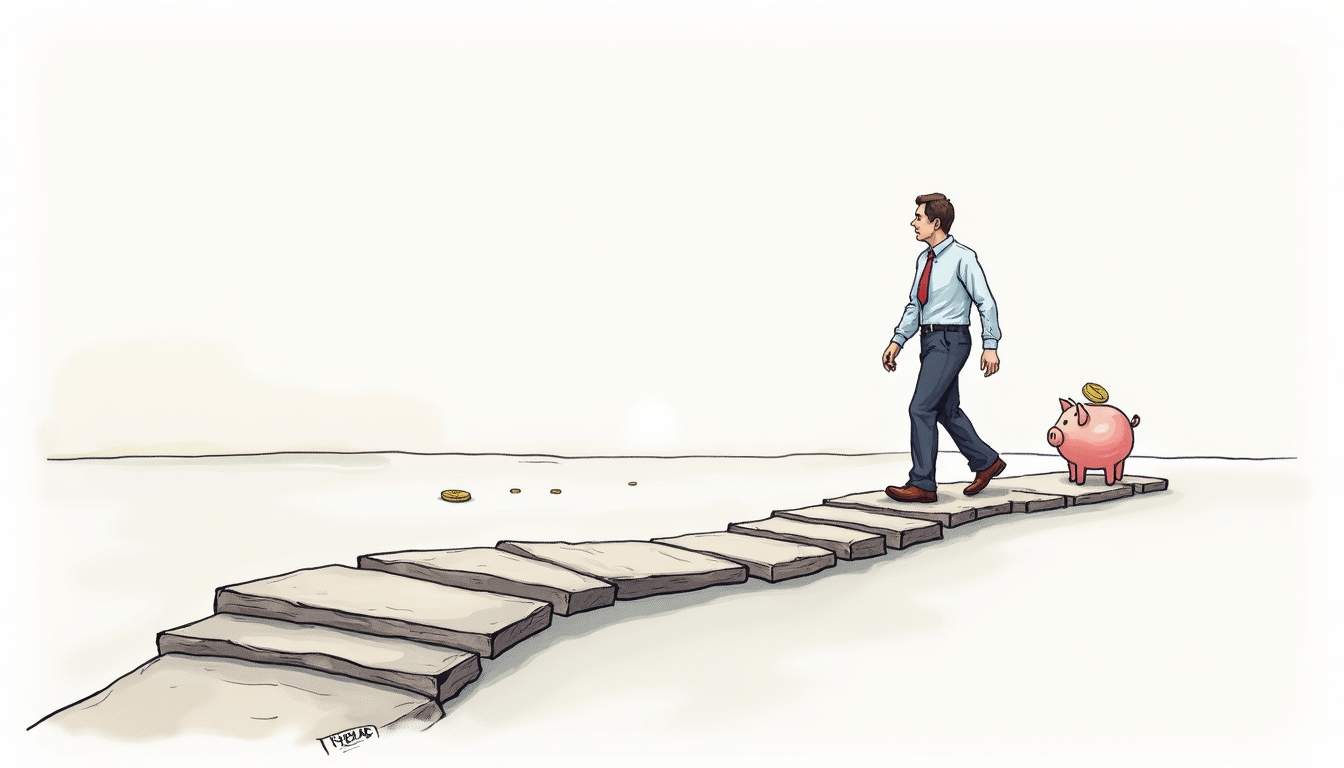
By taking deliberate and informed steps, anyone can build a financial foundation that supports their dreams and provides peace of mind. Start today—your future self will thank you.