
The Real Future of AI: How Chat and Visual Assistants Are Changing Everything
You can sense it. Something shifted. The way people talk to machines isn’t stiff anymore. It’s smoother. More human. The most advanced chat AI isn’t just answering questions—it’s starting to understand tone, rhythm, and context. And the new visual AI assistants? They see things. Literally. Not in that sci-fi horror way, but in a way that’s making our devices actually useful beyond typing and tapping. It’s weirdly natural, kind of unsettling, but also pretty amazing.
Beyond Text: Why Seeing Matters
Most of us think of AI as something you chat with. Type, wait, reply. But that’s only half the story. A visual AI assistant changes the whole dynamic because it doesn’t rely on your words alone—it interprets images, photos, even drawings. Think about that. You can show it a messy whiteboard from your meeting, and it’ll extract notes. Snap a product label, and it pulls the data. That’s power, and it’s already happening.
Talking Like a Human (Finally)
Remember those old bots that gave robotic answers? Those days are fading fast. The most advanced chat AI now feels conversational. Not perfect, but close enough that you forget you’re typing to an algorithm. It can handle sarcasm, incomplete sentences, even weird side tangents. That’s not just tech—it’s empathy coded into code. Wild stuff.
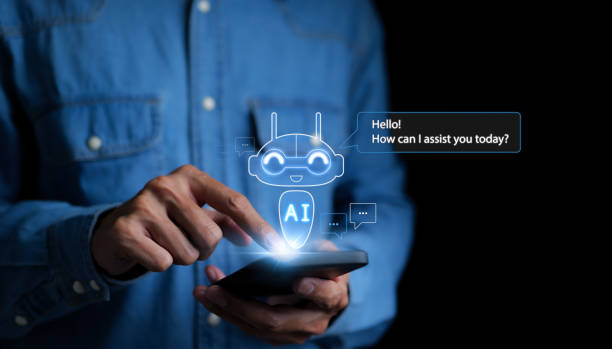
Visual AI Assistant: Eyes for the Digital World
Visual AI assistants aren’t just toys for tech nerds. They’re becoming work tools. Designers use them to interpret sketches. Students use them to read handwritten notes. Even doctors use them to analyze X-rays. The fact that a piece of software can understand images the way our brains do—it’s nuts. But it’s also proof that AI’s evolution is no longer about faster processing. It’s about perception.
How AI Helps You Work Smarter, Not Harder
Let’s be honest. Most people don’t want more apps. They want fewer things that actually work. A good chat AI or visual assistant doesn’t just add another tool—it replaces ten of them. Drafting emails, reading PDFs, summarizing reports, transcribing voice notes… the grind tasks vanish. And suddenly, you’ve got space to think again. That’s the quiet beauty of smart AI—it gives you back time.
When AI Gets Personal
Here’s the real kicker: these systems are learning your habits. Not in a creepy “spying” way, but through patterns. Your tone, your timing, your preferences. Over time, your chat AI starts sounding like someone who gets you. You can ask for reminders, help brainstorming, or a quick summary of yesterday’s chaos—and it just knows what you mean. That’s not magic. That’s context, powered by algorithms built to learn you, not just serve you.

The Line Between Human and Machine Is Blurring
And yeah, that’s a little unsettling. Because when an AI can read your tone, your photos, your documents—it’s not a “tool” anymore. It’s something closer to a partner. It’s not emotional, but it mimics emotional understanding so well it tricks your brain. That’s why this moment in tech feels different from every other hype cycle. We’re past the novelty. We’re into the era of living with AI.
Everyday Use: From Chaos to Clarity
Here’s where it hits home. You’re late for a meeting, juggling files, scanning an image of notes from your phone camera. Your visual AI assistant turns that mess into an organized document. Meanwhile, your chat AI drafts a summary for your client while you grab coffee. That’s not science fiction anymore—it’s daily reality for people using platforms like AI Vortex. The flow is seamless, and once you experience it, going back feels like using a flip phone again.
The Creative Edge of AI
AI isn’t stealing creativity—it’s feeding it. Artists use visual assistants to expand ideas visually. Writers bounce off chat AI to break through creative blocks. Developers use both to test, explain, and visualize problems. The myth that AI kills originality? Dead. The truth is, it amplifies it—when used right. The key is knowing where human instinct ends and machine logic begins.
Trust and Transparency Still Matter
Let’s get real: AI isn’t perfect. Sometimes it misreads intent, or gets a photo wrong, or misses sarcasm completely. That’s fine. The important part is transparency—knowing how it makes decisions and when it’s guessing. The best AI systems don’t hide that. They admit uncertainty. That honesty builds trust, and that’s why people keep using them. You don’t want a robot pretending to be flawless. You want one that admits it’s still learning.

Where It’s All Heading
So where’s this going? Integration. The most advanced chat AI will blend with visual assistants until they’re one seamless brain. You’ll talk, show, gesture—and the system will just get it. Imagine a workspace where you don’t need to explain yourself twice. Where your digital assistant reads your face, tone, and visuals, then acts instantly. That’s where we’re headed. And for once, it feels like the tech’s catching up to our expectations.
Final Thoughts: The Human Side of Smart Tech
All this progress circles back to one thing: people. Every new breakthrough in AI, every smarter assistant, is about making human life simpler, not replacing it. The magic isn’t in the algorithms—it’s in the way they serve us. You shouldn’t have to adapt to your tools. They should adapt to you. And that’s exactly what AI Vortex is building toward—a world where technology finally feels human, not cold and distant.
FAQs
What is the most advanced chat AI right now?
The most advanced chat AI combines deep language understanding with emotional context recognition, giving it the ability to carry fluid, natural conversations that feel human.
How does a visual AI assistant work?
A visual AI assistant interprets images, text in photos, and objects using machine learning. It can extract text, recognize patterns, and help users organize or analyze visuals instantly.
Can AI replace personal assistants?
Not exactly. It complements them. The best systems act like digital partners—handling repetitive stuff while humans focus on strategy, creativity, and empathy.
Why is visual AI important?
Because not everything in life is text. Visual data—photos, diagrams, sketches—makes up most of how we communicate. AI that can “see” makes that data usable.
How do I get started with an advanced chat AI or visual assistant?
Easy. Head over to AI Vortex. Try the tools. See what real integration feels like. Once you do, there’s no going back.