
The Surprising Ways Spray Foam Boosts Indoor Air Quality
Spray foam insulation improves indoor air quality by creating an airtight seal that blocks outdoor pollutants, allergens, and moisture from entering your home. This tight barrier prevents mold growth, keeps dust and pollen outside, and stops harmful gases from seeping in through walls, floors, and ceilings. By controlling airflow, spray foam helps maintain healthy humidity levels and reduces the circulation of irritants that can trigger asthma and allergies.
Beyond temperature control, spray foam creates a cleaner breathing environment in your home. Unlike fiberglass insulation that can shed tiny particles into the air, properly cured spray foam is stable and doesn’t release fibers. This comprehensive air-sealing approach addresses many common indoor air quality problems at their source rather than just treating symptoms, leading to a healthier living space for you and your family.
How Spray Foam Creates Cleaner Indoor Air
Spray foam affects indoor air quality in several important ways:
|
Air Quality Factor |
How Spray Foam Helps |
Health Benefit |
|---|---|---|
|
Allergen control |
Blocks outdoor pollen, dust, and spores |
Fewer allergy symptoms |
|
Mold prevention |
Creates moisture barrier, preventing conditions for mold growth |
Reduced respiratory issues |
|
Humidity control |
Maintains balanced indoor humidity levels |
Less mold risk, improved comfort |
|
Outdoor pollution |
Seals tiny cracks that allow exhaust, smog, and industrial emissions to enter |
Reduced exposure to harmful pollutants |
|
Radon gas |
Blocks soil gases from entering living spaces |
Lower risk of radon exposure |
|
Insect and rodent reduction |
Eliminates entry points for pests |
Fewer pest-related allergens |
|
VOC emissions |
Once cured, produces minimal off-gassing compared to some alternatives |
Fewer chemical irritants in air |
A study by the Indoor Air Quality Association found that homes with properly installed spray foam insulation had up to 70% fewer airborne particulates compared to homes with traditional insulation.
Types of Spray Foam and Their Air Quality Impact
Different types of spray foam affect indoor air quality in various ways:
|
Spray Foam Type |
VOC Emissions After Curing |
Moisture Resistance |
Air Sealing Ability |
Best For |
|---|---|---|---|---|
|
Open-Cell |
Very Low |
Good |
Excellent |
Allergies, sound control |
|
Closed-Cell |
Very Low |
Excellent |
Excellent |
Mold prevention, humidity control |
|
Soy-Based |
Very Low |
Good-Excellent |
Excellent |
Chemical sensitivity |
|
Water-Blown |
Very Low |
Good-Excellent |
Excellent |
Lower environmental impact |
|
Fire-Resistant |
Very Low |
Excellent |
Excellent |
Added safety, reduced smoke |
Bonus Tip: For people with chemical sensitivities, ask your installer about low-VOC or water-blown spray foam options specifically designed to minimize initial off-gassing during the curing process.
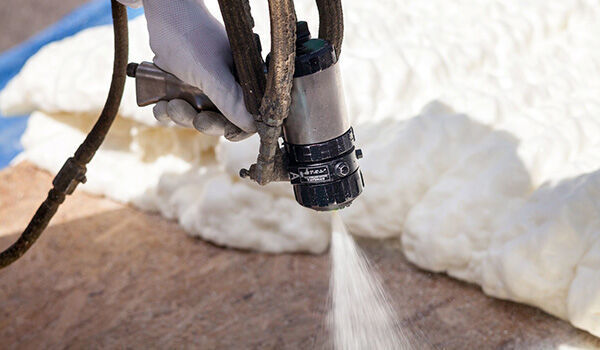
Common Indoor Air Problems Solved by Spray Foam
Many indoor air quality issues can be addressed with proper insulation:
|
Air Quality Problem |
Traditional Solution |
How Spray Foam Solves It |
Effectiveness |
|---|---|---|---|
|
Dust infiltration |
Air purifiers |
Seals entry points for dust |
Long-term prevention |
|
Mold and mildew |
Dehumidifiers, mold remediation |
Prevents moisture conditions that cause mold |
Preventative |
|
High humidity |
Dehumidifiers |
Controls air exchange and moisture movement |
Reduces humidity naturally |
|
Outdoor allergens |
Air filters |
Blocks entry points for pollen and allergens |
Prevents entry at source |
|
Drafts with pollutants |
Weather stripping |
Creates complete air barrier |
Comprehensive sealing |
|
Radon gas |
Radon mitigation systems |
Helps block soil gas entry |
Supportive (may still need mitigation) |
|
Pest allergens |
Pest control services |
Eliminates entry points for insects and rodents |
Preventative |
Installation Considerations for Best Air Quality Results
To maximize air quality benefits when installing spray foam:
- Proper ventilation during installation: Ensure professionals use appropriate ventilation during application
- Complete curing time: Allow full curing time (24-72 hours) before occupying the space
- Whole-home approach: Seal all potential air leakage points for best results
- Professional application: Choose experienced installers certified in proper application techniques
- Fresh air strategy: Plan for controlled fresh air intake through mechanical ventilation
- Existing issues: Address any current mold or moisture problems before insulating
- HVAC sizing: Have your heating and cooling system evaluated after insulating, as it may now be oversized
Bonus Tip: Consider adding a heat recovery ventilator (HRV) or energy recovery ventilator (ERV) system when installing spray foam. These systems provide fresh air while maintaining energy efficiency in your newly sealed home.
Technical Comparison: Air Quality Impact of Different Insulation Types
|
Insulation Type |
Airborne Particle Blocking |
Mold Resistance |
Off-Gassing After Installation |
Allergen Control |
Overall Air Quality Impact |
|---|---|---|---|---|---|
|
Spray Foam (Closed-Cell) |
Excellent |
Excellent |
Very Low |
Excellent |
Excellent |
|
Spray Foam (Open-Cell) |
Excellent |
Good |
Very Low |
Excellent |
Very Good |
|
Fiberglass Batts |
Poor |
Poor |
Low |
Poor |
Poor |
|
Cellulose |
Fair |
Fair |
Very Low |
Fair |
Fair |
|
Mineral Wool |
Good |
Good |
Very Low |
Good |
Good |
|
Rigid Foam Board |
Good |
Good |
Low |
Good |
Good |
Industry research indicates that homes with spray foam insulation typically see a 90% reduction in outdoor air infiltration compared to traditionally insulated homes, significantly improving indoor air quality.
Things to Consider Before Making a Decision
Before choosing spray foam for air quality improvement, think about:
- Current air quality issues: Identify specific problems you’re trying to solve
- Ventilation needs: Plan for proper fresh air exchange in a tightly sealed home
- Budget considerations: Higher upfront cost vs. long-term health benefits
- Health conditions: People with asthma or allergies may benefit most
- Home age: Older homes often have more air leakage points to address
- Climate: High-humidity areas benefit more from closed-cell foam
- Existing insulation: Removal of old insulation may be necessary for best results
The EPA reports that Americans spend approximately 90% of their time indoors, where air pollutant levels are often 2-5 times higher than outdoor levels, making indoor air quality a critical health consideration.
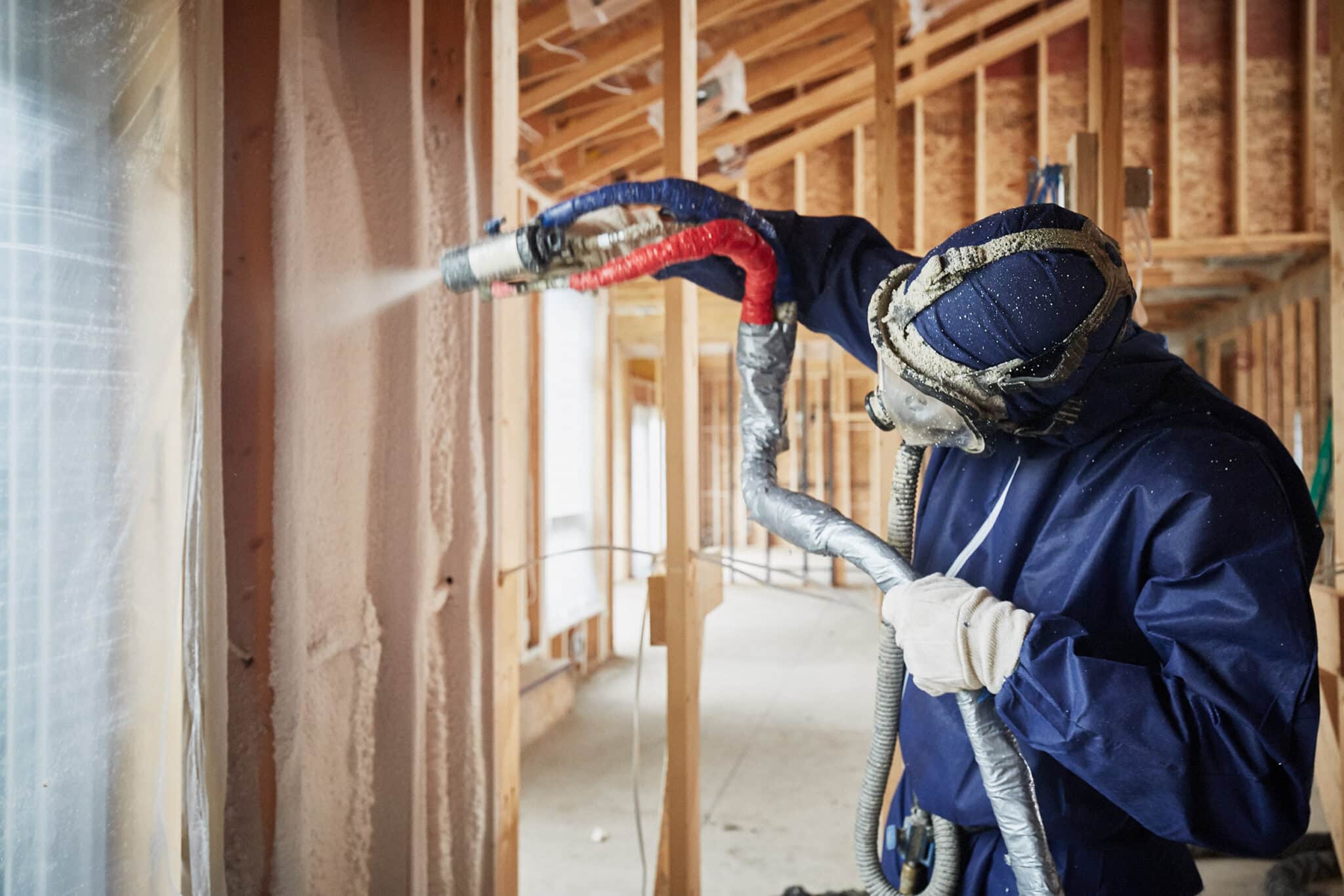 Key Air Quality Measurements Before and After Spray Foam
|
Measurement |
Typical Before Spray Foam |
Typical After Spray Foam |
Health Impact |
|---|---|---|---|
|
Air changes per hour |
3-7 ACH |
1-2 ACH (controlled) |
Fewer outdoor pollutants |
|
Relative humidity |
Fluctuating (30-70%) |
Stable (40-50%) |
Reduced mold risk |
|
Airborne particulates |
500-1000+ μg/m³ |
100-300 μg/m³ |
Easier breathing |
|
Allergen levels |
Moderate-High |
Low |
Fewer allergy symptoms |
|
Radon (where present) |
Variable |
Reduced |
Lower cancer risk |
|
Temperature consistency |
Varies 5-10°F between rooms |
Varies 1-3°F between rooms |
Improved comfort |
Topic FAQ
Does spray foam itself release harmful chemicals into my home?
During installation, spray foam releases chemicals that require temporary evacuation (24-72 hours). Once properly cured, quality spray foam emits extremely low levels of chemicals—much lower than many common household items like new furniture or carpeting. Choose reputable installers who follow proper mixing and application procedures for the safest results.
Can spray foam help with my allergies?
Yes. By creating an airtight seal, spray foam significantly reduces the entry of outdoor allergens like pollen, dust, and mold spores. Many allergy sufferers report noticeable symptom improvement after spray foam installation, especially during high pollen seasons.
Will my house be too airtight with spray foam?
While spray foam creates a tight air seal, proper home design includes planned ventilation. Modern building science recommends “build tight, ventilate right.” Consider adding mechanical ventilation like ERVs or HRVs that provide fresh air while maintaining energy efficiency. This controlled approach is actually healthier than random air leaks.
Can spray foam prevent mold in my home?
Spray foam is highly effective at preventing the conditions that lead to mold growth. By stopping moisture movement through walls and maintaining consistent humidity levels, it creates an environment where mold struggles to grow. However, existing moisture problems should be fixed before installation.
How long do the air quality benefits of spray foam last?
The air quality benefits of properly installed spray foam typically last the lifetime of the home, often 25+ years. Unlike some insulation that can compress, degrade, or absorb moisture over time, quality spray foam maintains its air-sealing properties for decades.
Make the Right Decision
Spray foam insulation offers significant indoor air quality improvements by creating an effective barrier against pollutants, allergens, moisture, and outdoor air infiltration. While the upfront investment is higher than traditional insulation, the long-term health benefits make it worthwhile, especially for those with respiratory concerns or allergies. Consider your specific air quality goals, ventilation strategy, and budget when deciding if spray foam is right for your home. Remember that the best results come from professional installation combined with a whole-home approach to indoor air quality that includes proper ventilation and moisture control.