
The Ultimate Guide to Transforming Your Home Inside and Out
When planning a home upgrade, it’s crucial to start by understanding what residential construction and remodeling actually includes. This broad term refers to everything from building room additions and finishing basements to renovating kitchens, bathrooms, and living spaces. Whether you’re reconfiguring a layout or upgrading finishes, this process enhances functionality and adds value to your property. Professional remodeling improves structural integrity while tailoring design to your lifestyle. Homeowners often seek renovations not just to modernize, but to better suit their evolving needs. With the right strategy, residential projects can increase square footage, maximize natural light, and boost energy efficiency. Working with a knowledgeable contractor ensures proper permits, planning, and execution are handled without stress. From minor aesthetic changes to full-scale rebuilds, the ultimate goal of remodeling is to enhance comfort, usability, and resale potential. If your living space feels outdated or inefficient, these improvements can breathe new life into your home, creating a refreshed and welcoming environment.
Planning a Remodel That Matches Your Lifestyle
A successful redesign should not only look good, but also make your life better every day. Knowing how your family cooks, entertains, works from home, or lives will assist you decide how to remodel. You spa and open-concept living rooms or energy-efficient windows to lower your power expenditures. A separate office or a kitchen island that can be used for more than one thing can make your life easier. When you plan a project that really fulfills your needs, all of these things are important. Choosing finishes is only one part of a personalized redesign; it’s also a way to help you stick to your routines and long-term goals.
Trends in design that will last
Trends come and go, but some decisions will always be good. Open layouts, natural wood finishes, and eco-friendly materials are all very popular right now. Your makeover will still feel new years from now if you mix modern styles with classic design features. Neutral colors, simple cabinets, and a combination of textures are becoming more popular. Lighting design that takes into account the space’s needs is also very important for setting the mood and making it useful. When you choose features that are both stylish and useful, you can be confident you’re making smart investments. This is especially true when you use materials that last, like quartz, porcelain tile, or engineered hardwood.
Why energy efficiency should be a top priority
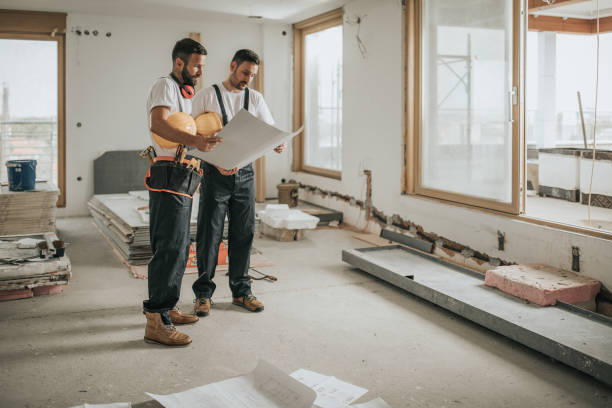
Making your home more energy-efficient will save you money in the long run and help the environment. Upgrades like greater insulation, high-efficiency HVAC systems, and LED lights cut down on energy use by a huge amount. Smart appliances and thermostats make use even better. Many homes don’t think about their windows and doors, but improving them can really help keep heat in. Solar panels cost more up front, but can save you considerably more money over time. Putting energy efficiency first not only helps the environment, but it also makes your home more appealing to purchasers, who are more and more looking for green features when they buy a home.
Making living spaces that can be used for more than one thing
Every square foot is important in modern dwellings. You can get the most out of your space with open designs and multipurpose sections. Flexibility is crucial, whether it’s a kitchen that can also be used as an office or a guest room with built-in storage and a Murphy bed. People are combining home offices with libraries, laundry rooms with mudrooms, and playrooms with study areas. A big part of it is creative cabinetry, custom shelves, and furnishings that can be changed. When you renovate, it’s important spending money on things that will make your space more flexible and able to change as your life changes.
Adding smart technology to remodeling
Smart home technologies used to be luxuries that were only available in the future. Now they are becoming standard. Smart lighting, security systems, thermostats, and voice-activated assistants can all make your home safer and more convenient. Even gadgets in the kitchen and bathroom can now link to the internet. Programmable ovens, motion-sensor faucets, and applications that track energy use are all useful enhancements. While you’re rebuilding, think about hardwiring systems and making connections better. This forward-thinking strategy makes sure that your home stays compatible with new technology. Adding these elements in a smart way makes your home more comfortable to live in every day and makes it more appealing to buyers.
Beautiful and strong materials
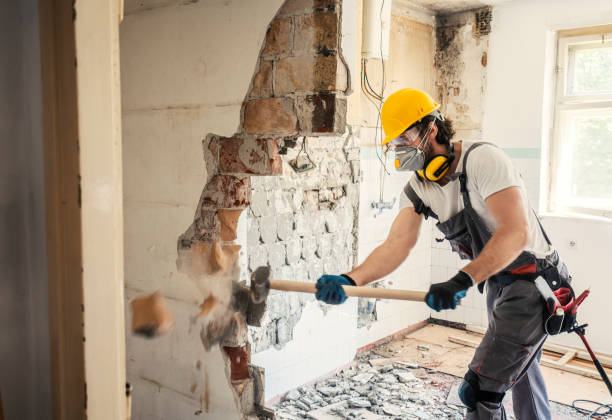
Choosing the appropriate materials is very important for a remodel that will last. Natural stone, quartz, hardwood, and porcelain tile are all beautiful and long-lasting. You need finishes that can handle dampness, scratches, and stains in places like kitchens and bathrooms that get a lot of use. Materials that don’t need a lot of upkeep and work well cut down on the need for regular maintenance. Buying good things now will save you money in the long run since they will need fewer maintenance and work better over time. Color, texture, and finish are also important. Choose materials that not only last a long time but also match the look you want.
How to Make a Smart Budget for a Remodel
A budget that makes sense is the most important part of any renovation job. It helps keep things from happening that you didn’t expect and makes sure that every dollar is spent on purpose. Include expenditures for goods, labor, permits, and unexpected charges. Choose where you want to spend a lot of money, like on cabinets or smart appliances, and where you want to save. It’s always a good idea to have a 10 to 15 percent buffer for problems that come up. If you plan your money wisely, you can stay inside your comfort zone while making modifications that will have a big impact. Talking to a professional like Little Residential Construction may help you understand prices and make sure your budget stays on track with your goals.
Getting the Most Value Out of Remodeling Strategically
Some enhancements provide you a better return on your investment than others. Kitchens, bathrooms, and improvements to the curb appeal are always among the best. Small changes, like new paint or new hardware, can sometimes make a big difference. Even if you plan to stay for a long time, you should always think about how you will sell the house in the future. Timeless designs, neutral colors, and high-quality finishes help keep things popular. Functional enhancements, such as a better plan flow or more storage, can make something seem much more valuable. When you redesign your home, you need think about more than just what you like. You should also think about what will make your property stand out in the market.
What You Should Know About Planning and Getting Permits
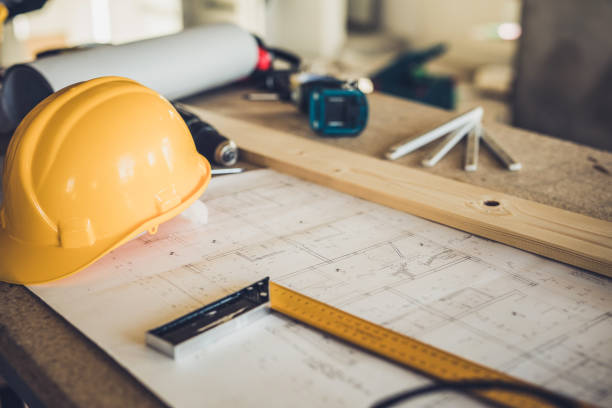
Understanding building standards and permits is an important element of any renovation project. You could require permission from the local government before you start, depending on the size of the project. You usually need permission from the government to make structural alterations, replace electrical systems, or completely redo plumbing. If you hire a licensed contractor, you can be sure that the right steps are taken. They will take care of scheduling inspections, sending in paperwork, and following safety rules. If you don’t do this step, you could get fined or have trouble selling your home. Getting the right permits gives you piece of mind and protects your investment by making sure everything is built to code.
Why Why It’s Important to Work with a Trusted Contractor
Even if you have a good idea, the quality of your renovation experience typically depends on who you employ. A good contractor who can communicate well makes the whole process easier, from planning to building. They set up timetables, deal with subcontractors, fix problems, and make sure everything is up to your requirements. You should base your recruiting decision on reputation, experience, and openness. Little Residential Construction is an example of a contractor that combines skilled work with good customer service. Having the proper professional on your side keeps things on track, saves you money by avoiding mistakes, and makes sure the final product is what you wanted.
Making Room for Affordable Kitchen Renovations
When considering kitchen upgrades, homeowners often assume it has to break the bank. However, affordable kitchen renovations are very much possible with smart planning. Simple changes like refacing cabinets, upgrading hardware, and installing modern lighting can dramatically update the space without a full gut job. Open shelving, peel-and-stick backsplash tiles, and energy-efficient appliances are cost-effective solutions that still feel fresh and functional. Prioritize upgrades that improve daily function—like more prep space or improved storage. A great kitchen doesn’t need to be expensive, just well-designed. A contractor with remodeling expertise can help you make stylish, lasting choices that align with your financial comfort.
Conclusion
Home renovation is more than a project—it’s a journey to transform your daily living. Whether you’re expanding square footage, updating dated finishes, or seeking more energy-efficient features, every decision you make plays a part in creating a space that supports your lifestyle. By investing in strategic improvements and working with skilled professionals, you can significantly boost comfort, function, and property value. From small updates to full-scale remodels, thoughtful planning is key. Companies like Little Residential Construction are here to guide you through the process, ensuring quality results that align with your vision. A well-executed remodel not only reflects your personal style—it’s a smart investment in your home’s future.