
Types of Forceps Used as Surgical Instruments
When it comes to precision, control, and efficiency in the operating room, surgical instruments play an essential role. Among these, forceps types stand out as a versatile and indispensable tool used globally by surgeons across a wide range of medical fields. Forceps have been specifically designed to grasp, hold, or manipulate tissues and objects during surgical procedures, ensuring an optimal outcome.
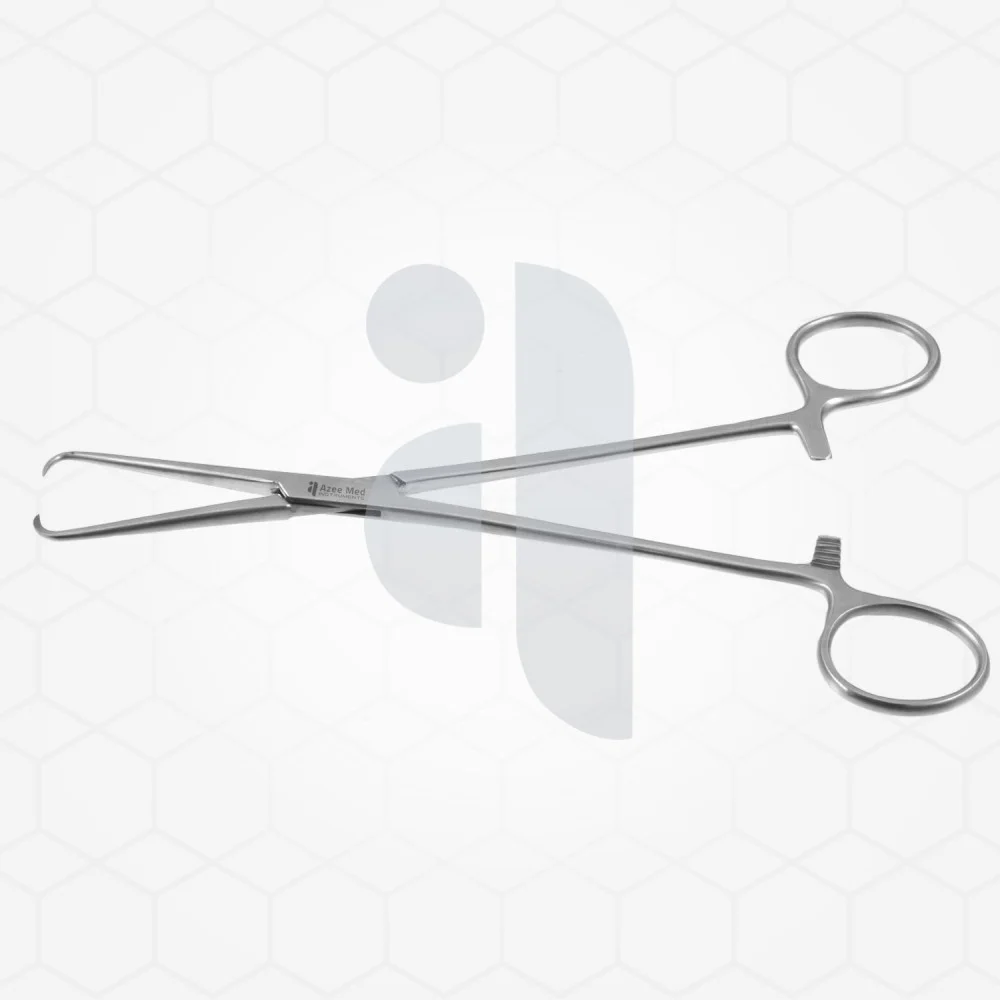
The Purpose and Role of Forceps in Surgery
Forceps serve as a surgical extension of the surgeon’s hands, offering precision and minimizing direct contact with tissues or objects. Their functionality allows surgeons to perform intricate tasks such as clamping arteries, removing foreign bodies, or suturing wounds. Unlike other surgical tools, forceps are unique because of their versatility. Their designs range from fine and delicate for microsurgery to sturdy and robust for orthopedic procedures, making them suitable for a vast array of medical applications.
Broad Classification of Forceps
Forceps can be broadly categorized into two primary types — non-locking and locking. Non-locking forceps are often referred to as thumb forceps. They are held like tweezers and rely on manual pressure to provide grip. On the other hand, locking forceps, also known as hemostats or clamps, have a ratchet locking mechanism that allows them to stay in place without requiring constant manual pressure. This basic distinction lays the foundation for the vast array of specialized forceps available today.
Thumb Forceps
Thumb forceps and jewelry forceps are commonly used for grasping and holding tissues, and their design resembles tweezers. They are typically held between the thumb and forefinger, which provides the surgeon with precise control. These forceps are often employed in procedures requiring meticulous manipulation, such as suturing. Tissue forceps, which are a subtype of thumb forceps, have teeth at their tips to enhance their grip on tissues. This makes them useful for holding thick or slippery tissue, such as skin or connective tissue, without causing significant damage. Another key variation of thumb forceps is the dressing forceps. Unlike tissue forceps, they lack teeth but have serrated tips, making them suitable for handling dressings or delicate materials. Their design reduces the risk of trauma to fragile tissues and materials, which is crucial in surgeries involving soft or sensitive areas.
Hemostatic Forceps
Hemostatic forceps, commonly referred to as clamps, are primarily designed to control bleeding during surgery. These locking forceps have a ratchet mechanism that allows them to remain affixed to blood vessels without requiring continuous pressure. One widely used example is the Kelly forceps, which are versatile due to their medium-sized design. They are often utilized for clamping larger blood vessels or manipulating tissues. Similarly, Mosquito forceps are a smaller variant of hemostatic forceps that excel in delicate procedures. Due to their lightweight and slender design, they are frequently used in vascular or pediatric surgeries, where precision in managing tiny blood vessels is crucial. Hemostatic forceps are instrumental in maintaining a clear surgical field by controlling bleeding and providing visibility for the surgeon.
Allis and Babcock Forceps
Allis and Babcock forceps are specialized varieties of locking forceps designed for specific tasks. Allis forceps have teeth in the jaws, which allow them to securely grasp and hold tissues. This makes them a valuable tool for procedures that require steady traction. They are often used for gripping connective tissues or organs such as the uterus during gynecological surgeries. Babcock forceps, on the other hand, are designed with a loop-shaped tip that lacks teeth. This unique design ensures that tissues can be held delicately, minimizing the risk of injury. Babcock forceps are ideal for holding tubular structures such as intestines or fallopian tubes, where delicate handling is paramount to avoid perforation or tearing.
Specialized Forceps for Specific Applications
Beyond general use, certain types of forceps are tailored for highly specific procedures. For example, Bayonet forceps are uniquely angled, enabling surgeons to access deep or hard-to-reach areas while maintaining a clear field of vision. This design is particularly advantageous in ENT (ear, nose, and throat) surgeries. Kocher forceps are another specialized type, equipped with interlocking teeth. These make them suitable for firmly gripping dense tissues, such as fascia or tendons, during orthopedic procedures. Meanwhile, obstetric forceps, used in assisting childbirth, are larger and specifically designed to safely guide the baby’s head during delivery.
The Importance of High-Quality Forceps in Surgical Outcomes
Forceps are more than just tools; they are an extension of the surgeon’s hands. The effectiveness of forceps can directly influence the success of a procedure. Poorly crafted or improperly used forceps can lead to tissue damage, unnecessary trauma, or procedural complications. Therefore, the design, material, and mechanical integrity of forceps are critical considerations. High-quality surgical instruments not only ensure a better patient outcome but also enhance the surgeon’s efficiency and confidence during the operation.
Advancements in Forceps Design
Over time, forceps have undergone significant advancements, incorporating new materials and ergonomic improvements. Stainless steel remains the gold standard due to its durability, resistance to corrosion, and sterilization properties. However, disposable plastic forceps are increasingly employed in certain contexts, such as emergency settings or situations requiring single-use instruments. Additionally, modern forceps often feature ergonomic designs to reduce hand fatigue, enabling surgeons to work for extended periods without compromising precision.
Closing Thoughts
Forceps are an integral part of almost every surgical procedure, ranging from general surgeries to highly specialized fields. Their versatility, precision, and functionality make them indispensable in ensuring successful surgical outcomes. Understanding the types of forceps and their distinct roles highlights the complexity and sophistication of modern medical instruments. With advancements in design and technology, forceps continue to evolve, offering surgeons an even greater degree of control and reliability. For healthcare professionals, selecting the appropriate forceps is not merely a choice but a critical step in delivering optimal patient care.