
Uncovering Truths: Professional Investigations
Investigations are the art and science of revealing what is hidden, reconstructing events from fragments, and turning suspicion into clarity. Whether conducted in the realm of corporate compliance, criminal justice, private disputes, or journalistic inquiry, professional investigations rely on methodical techniques, ethical judgment, and a blend of intuition and evidence-based practice. This article explores the landscape of contemporary professional investigations: the principles that guide them, the tools used by practitioners, the legal and ethical frameworks that constrain them, and the practical skills that lead to reliable outcomes.
Foundations of a Professional Investigation
At the core of every professional investigation lies a structured approach: defining objectives, assessing scope, collecting information, analyzing evidence, and reporting findings. Clear objectives keep the inquiry focused and defensible; uncertainty about purpose can lead to wasted resources and compromised results. For instance, distinguishing whether an investigation seeks to verify a specific allegation, identify a policy violation, or gather intelligence for preventive measures changes everything from interview strategy to chain-of-custody requirements.
Scoping is equally crucial. A narrow scope can miss context needed to interpret evidence, while an overly broad scope can overwhelm investigators and slow down resolution. Effective investigations therefore map the terrain early: identify stakeholders, potential sources of information, likely timeframes, and legal boundaries. This mapping often includes a preliminary risk assessment to prioritize lines of inquiry and allocate resources efficiently.
Information collection demands meticulous attention to detail and adherence to legal and ethical standards. Investigators must employ a variety of techniques such as interviews, forensic analysis, electronic data retrieval, and document review, all while maintaining an unbroken chain of custody. The integrity of evidence is paramount, as any contamination or mismanagement can render findings inadmissible or questionable. Moreover, leveraging technology and data analytics tools can enhance the depth and accuracy of information gathered, especially in complex cases involving large volumes of digital evidence. For professional support, Lauth Investigations offers experienced austin private investigators who specialize in handling complex investigations with precision and discretion.
Analysis integrates disparate pieces of evidence into a coherent narrative that accurately reflects the facts uncovered. Professionals need critical thinking skills to identify patterns, inconsistencies, or corroborations, often triangulating data from multiple sources. This phase also involves corroborating witness statements against physical evidence and contextual information to distinguish between facts, assumptions, and potential biases. Throughout, investigators must remain objective, carefully documenting their reasoning processes to support transparency and allow for peer review or legal scrutiny.
Legal and Ethical Boundaries
Investigations operate within legal and ethical limits that vary by jurisdiction and context. Laws governing privacy, surveillance, electronic communications, and employment set hard parameters. Ethics guide decisions when laws are silent or ambiguous—ensuring fairness, avoiding conflicts of interest, and protecting vulnerable parties. Professional codes of conduct for lawyers, private investigators, auditors, and journalists provide complementary standards.
Consent, proportionality, and transparency are common ethical anchors. Consent matters in interviews and searches, unless law enforcement warrants or legal exigencies apply. Proportionality ensures investigative measures are appropriate to the suspected harm or risk; an invasive search should be reserved for serious allegations. Transparency about process and limitations helps maintain credibility, though full disclosure may not always be possible if it jeopardizes sources or evidence collection.
Investigative Techniques and Tools
Modern investigators combine traditional techniques—interviews, document review, surveillance—with digital forensics, data analytics, and open-source intelligence (OSINT). Interviews remain indispensable for gathering context, testing narratives, and eliciting admissions, but must be planned carefully: question sequencing, rapport-building, and documentation practices all influence reliability. Well-documented interviews strengthen findings and protect against later allegations of misconduct.
Digital forensics has become central as so much activity occurs online or leaves digital traces. Proper handling of electronic evidence requires specialized tools and strict chain-of-custody protocols: imaging drives, preserving metadata, and analyzing logs without altering original files. Data analytics can surface patterns in financial records, communications, or access logs that would be impossible to spot manually, while OSINT taps public datasets, social media, and archive services to corroborate or refute claims.
Surveillance and Physical Evidence
Physical surveillance and evidence collection continue to play roles in fraud, insurance, and certain criminal investigations. Tailored surveillance—whether stationary observation, vehicle following, or opportunity-based monitoring—must comply with local laws against stalking, trespass, and unlawful recording. Evidence such as photographs, video, receipts, and physical artifacts must be timestamped, preserved, and logged to maintain admissibility.
Interviews: The Human Element
Interviews bridge human memory and verifiable facts. Skilled investigators create an environment that reduces stress and promotes candidness. Open-ended questions invite narrative, while targeted follow-ups test consistency. Cognitive interview techniques help witnesses retrieve more accurate memories, and documenting interviews by audio, video, or contemporaneous notes preserves nuance that a written summary might miss.
Managing Evidence and Documentation
Meticulous documentation distinguishes a credible investigation from a speculative one. Every piece of evidence, every step taken, and every decision made should be recorded in a way that withstands scrutiny. Standard practices include maintaining evidence logs, preserving original formats, hashing digital files to verify integrity, and using tamper-evident containers for physical items. Clear documentation supports legal defensibility and aids decision-makers who rely on the investigative report.

Report writing deserves special attention: it translates complex findings into understandable conclusions and recommendations. A well-crafted report states facts, evaluates credibility, outlines methods and limitations, and offers actionable recommendations. Avoiding speculation and clearly separating observed facts from interpretation enhances clarity and reduces misinterpretation by readers who may lack investigative training.
Assessing Credibility and Corroboration
Assessing credibility requires weighing consistency, plausibility, motive, and corroborating evidence. No single indicator proves truth; instead, a mosaic of mutually reinforcing elements builds confidence. A consistent timeline corroborated by documents, third-party witnesses, and digital records is far more persuasive than an isolated testimony. Similarly, financial trails can corroborate patterns of behavior that direct testimony alone might not reveal.
Corroboration is not just about matching details; it also involves evaluating the reliability of sources. Sources with a history of bias, financial interest, or cognitive impairment require careful handling. Conversely, neutral third-party records—bank statements, timestamps, access logs—often carry significant weight. A balanced approach uses both human testimony and objective records to form a robust evidentiary picture.
Technology: Opportunities and Risks
Technology expands investigative reach but also introduces complexity and risk. Artificial intelligence and machine learning can accelerate document review, flag suspicious patterns, and prioritize leads. Geolocation and metadata analysis can place subjects at relevant locations. However, reliance on automated tools demands skepticism: algorithms can inherit biases from training data, and false positives can misdirect investigations if not validated by human analysts.
Privacy-enhancing technologies and encryption complicate access to needed information. Legal processes such as subpoenas and mutual legal assistance treaties remain essential for obtaining protected data. Investigators must stay abreast of technological evolution and court rulings that affect admissibility, ensuring that tools are used lawfully and that findings are explained in ways a judge, jury, or client can understand.
Cross-Disciplinary Collaboration
Complex investigations often require teams with diverse expertise: legal counsel, forensic accountants, IT specialists, subject-matter experts, and trained interviewers. Collaboration enables a holistic view—financial anomalies can be interpreted by an accountant, while an IT expert translates log files into timelines. Effective communication across disciplines ensures that technical findings are integrated into a coherent narrative that decision-makers can act upon.
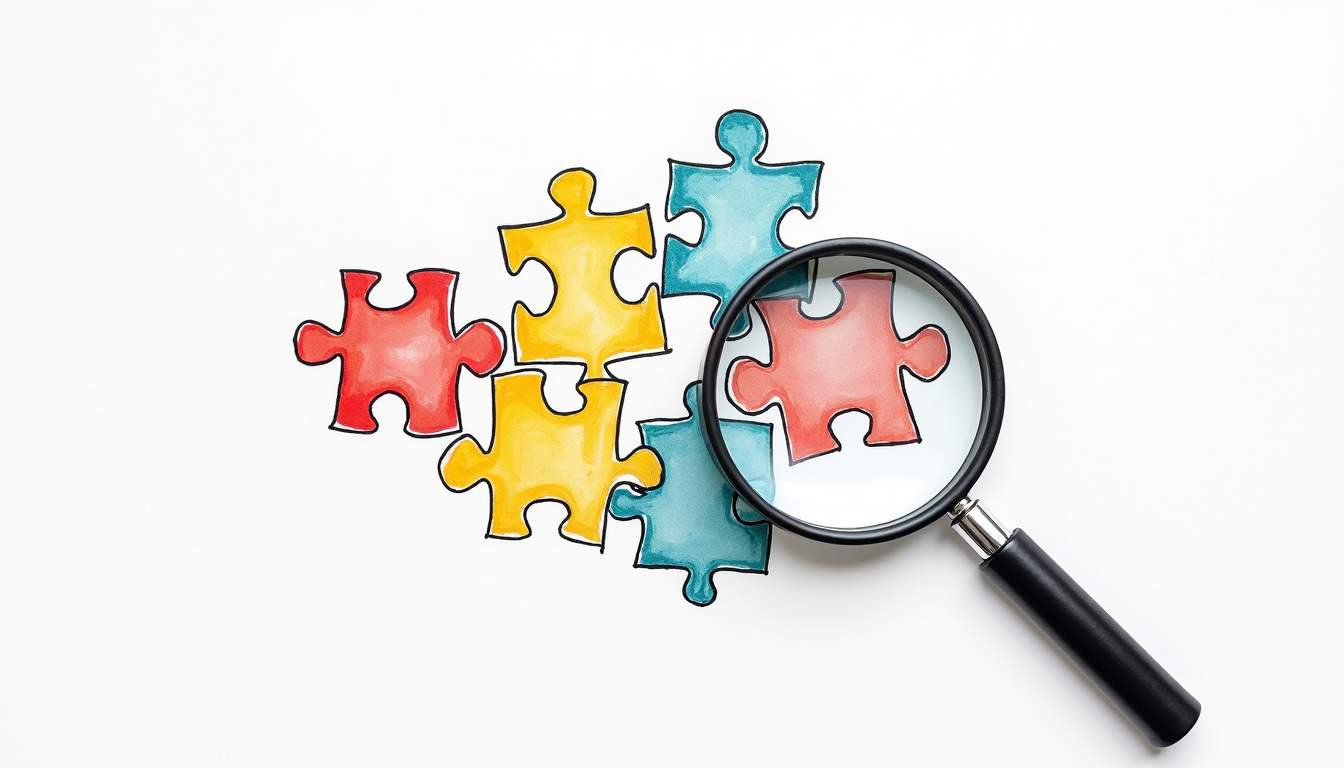
Project management principles are useful to coordinate tasks, set milestones, and manage budgets. Regular checkpoints keep the inquiry on track and allow for scope adjustments as new evidence emerges. Confidentiality and information-sharing protocols protect sensitive material while enabling the right experts to access what they need.
Reporting Findings and Making Recommendations
The conclusion of an investigation is not just a recounting of events; it is a practical bridge to resolution. Findings should be presented with clear statements about what is known, what is probable, and what remains uncertain. Recommendations should be actionable—policy changes, disciplinary steps, security upgrades, or referrals to law enforcement—and prioritized based on risk and feasibility.
Presentation matters. Executive summaries provide decision-makers with quick insight, while detailed annexes preserve the evidentiary record for legal or regulatory review. Recommendations tied to specific evidence and potential impact are more likely to be implemented than vague advice. Including a discussion of limitations and alternative explanations demonstrates impartiality and enhances credibility.
Building Institutional Capacity and Preventing Recurrence
Investigations offer opportunities to learn and prevent future issues. Root-cause analysis identifies systemic weaknesses—gaps in controls, cultural issues, training deficiencies—that enable misconduct or errors. Addressing these root causes often produces more durable outcomes than reactive punishment alone. Preventive measures might include stronger policies, enhanced oversight, staff training, or technical controls such as multi-factor authentication and improved recordkeeping.
Investing in institutional capacity—training investigators, establishing clear reporting channels, and maintaining evidence preservation protocols—reduces response time and improves the quality of future investigations. A proactive stance, where issues are detected and addressed early, often saves organizations from more serious consequences later.
Closing Thoughts: The Value of Rigor and Integrity
Professional investigations balance skepticism with fairness, rigor with compassion, and technical skill with sound judgment. They serve multiple purposes: uncovering truth, protecting rights, preventing harm, and informing better decision-making. When conducted with adherence to legal standards and ethical principles, investigations not only resolve specific incidents but also strengthen trust—between organizations and stakeholders, between authorities and the public, and between professionals and the people they serve.
Maintaining that trust requires continual learning. As laws, technologies, and societal expectations evolve, so must investigative practice. Ongoing training, interdisciplinary collaboration, and commitment to procedural integrity ensure that professional investigations remain effective tools for uncovering truths and promoting accountability.