
Understanding the Real Benefits of Microbial Restoration Services
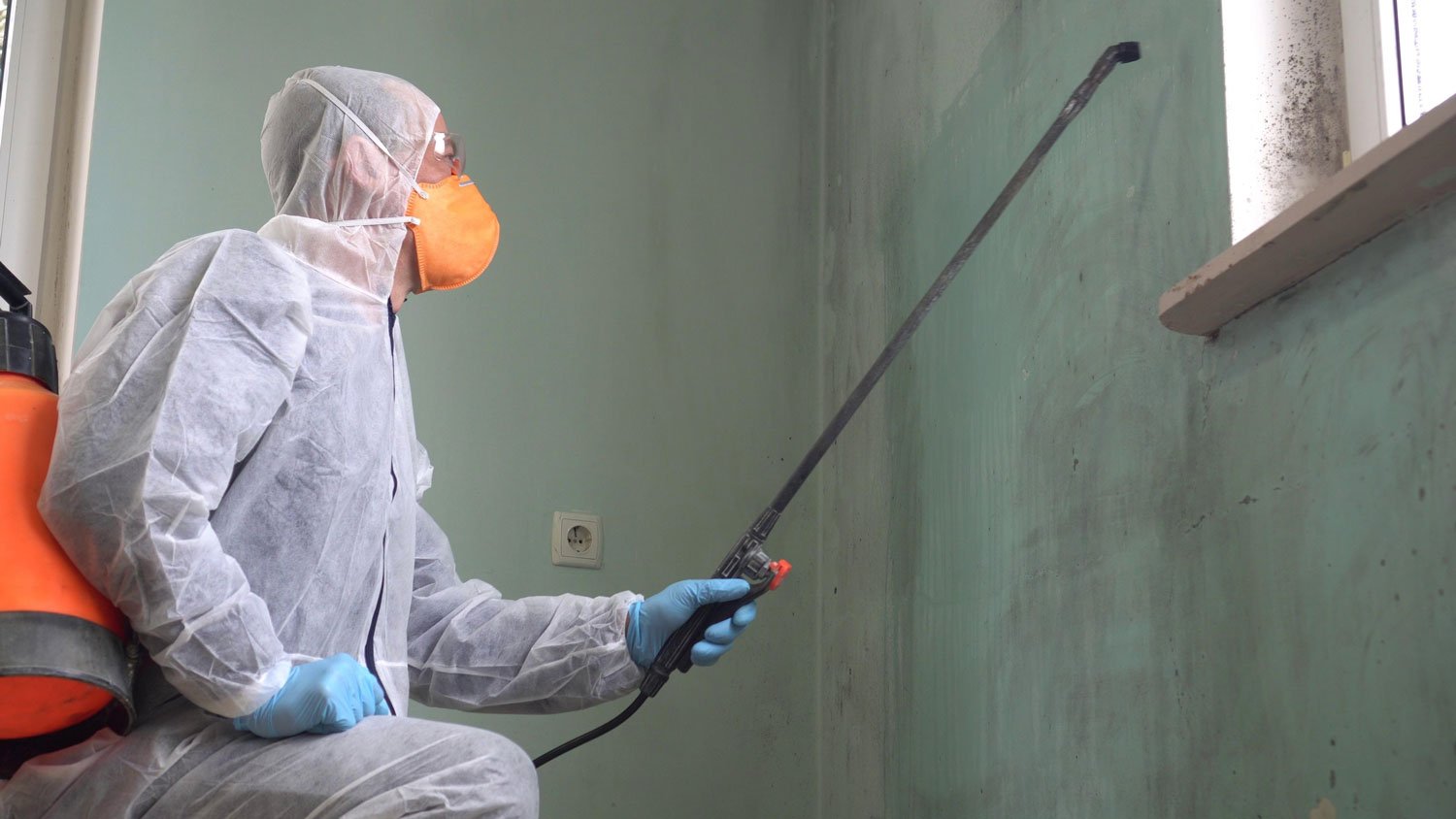
The real benefits of microbial restoration services extend far beyond just cleaning a visible stain on a wall. The primary advantage is the complete removal of a hidden threat to both a home’s structural integrity and its occupants’ health. Professionals don’t just treat the surface; they identify and address the underlying moisture source, contain the affected area to prevent cross-contamination, physically remove the contaminated materials, and filter the air to eliminate airborne spores. This comprehensive approach is what truly restores a safe living environment.
Many people underestimate the resilience of microbial growth like mold, thinking a little bleach will solve the problem. This article, based on industry-standard practices, will break down what professional microbial restoration actually involves and why it’s a necessary service for protecting your most significant investment.
More Than Just Mold What Is Microbial Growth?
While “mold” is the word most people use, “microbial growth” is a more accurate term that includes a wider range of microorganisms like fungi, bacteria, and mildew that can flourish in damp environments. Mold is a type of fungus that spreads by releasing microscopic spores into the air. When these spores land on a surface with moisture and a food source (like drywall, wood, or even dust), they can begin to grow.
The visible growth you see on a surface is often just the tip of the iceberg. Mold develops root-like structures called hyphae that can grow deep into porous materials. This is why simply spraying the surface is ineffective; it doesn’t kill the hidden parts of the colony. In the damp climate of the Pacific Northwest, these issues are particularly common, with a significant percentage of homes experiencing some form of moisture problem that can lead to microbial growth.
The Health Benefits A Safer Indoor Environment
One of the most compelling reasons to use professional services is to protect the health of the people living in the home. According to health organizations, exposure to mold spores can cause a variety of health issues, especially for sensitive individuals.

These can include:
- Allergic reactions like sneezing, runny nose, and skin rash.
- Asthma attacks in people with asthma.
- Irritation of the eyes, skin, nose, throat, and lungs.
A professional remediation process is designed to remove these health threats. By setting up containment and using HEPA-filtered air scrubbers, they prevent spores from spreading during the removal process. This ensures that once the job is done, the indoor air quality is returned to a normal, healthy state.
Bonus Tip: If members of your household are experiencing persistent, unexplained allergy-like symptoms that seem to improve when they leave the house, it could be a sign of hidden microbial growth. It’s worth checking less-visited areas like crawl spaces, attics, and behind large appliances for any signs of leaks or musty odors.
The Property Benefits Protecting Your Investment
Beyond the health concerns, unchecked microbial growth can cause serious physical damage to a home. Mold feeds on organic materials, so it literally eats away at things like drywall, wood studs, and subflooring. Over time, this can lead to rot and structural failure, resulting in extremely expensive repairs.
Furthermore, a history of mold can significantly impact a home’s value. During a real estate transaction, home inspectors are trained to look for signs of current or past water damage and microbial growth. Evidence of a poorly handled mold problem can scare off potential buyers or lead to a major reduction in the selling price. Professional restoration provides a permanent solution and often comes with documentation that proves the problem was handled correctly, which can be a valuable asset when it’s time to sell.
Professional Restoration vs a DIY Approach
The difference between a professional process and a typical DIY attempt is huge, primarily because of the specialized knowledge and equipment involved. A DIY job can inadvertently make the problem much worse.
A Look at the Methods
|
Task |
DIY Method |
Professional Method |
|---|---|---|
|
Assessment |
Visual inspection only. Misses hidden growth. |
Use of moisture meters and thermal imaging cameras to find the full extent of the moisture problem. |
|
Containment |
Typically none. Spores are spread throughout the home during cleaning. |
Physical barriers (6-mil plastic) and negative air pressure machines (air scrubbers) to completely isolate the work area. |
|
Removal |
Spraying with bleach or store-bought chemicals. Often ineffective on porous surfaces and can release spores. |
Physical removal of contaminated materials, HEPA vacuuming, and sanding or treating of semi-porous materials like wood studs. |
|
Air Filtration |
Opening a window, which can actually draw spores further into the house. |
Continuous use of commercial-grade air scrubbers with HEPA filters to capture airborne spores released during the process. |
Bonus Tip: Never use a regular household vacuum to clean up mold. It does not have a fine enough filter and will simply suck up the spores from the surface and shoot them out the exhaust, spreading them all over the house.
Things to Consider Before Making a Decision
When you discover microbial growth, choosing the right company to handle it is key. You are not just hiring a cleaning service; you are hiring a health and safety contractor.
First, verify their certifications. The most recognized certification in the industry is from the IICRC as an Applied Microbial Remediation Technician (AMRT). This proves the technicians have been trained in the proper protocols for safe and effective removal.
Second, ask about their process for post-remediation verification. Reputable companies will recommend or even require a third-party indoor environmental professional to conduct a clearance test after the work is done. This involves air and surface sampling to provide unbiased, scientific proof that the remediation was successful and the area is safe. A company that is confident in its work will welcome this kind of verification.
Common Questions About Microbial Restoration
Is all black mold the dangerous “toxic mold”?
No. Many types of mold are black in color. While Stachybotrys chartarum (often called “toxic black mold”) is a concern, all types of mold can cause health effects and should be removed professionally. The removal process is the same regardless of the mold’s color or species.
Will the musty smell go away after the service?
Yes. The musty smell is caused by microbial volatile organic compounds (MVOCs), which are gases produced by mold. A thorough remediation process that removes the mold will also eliminate the source of the odor.
Do I need to move out of my house during the process?
For the safety of the occupants, it is usually recommended to vacate the property during the remediation process, especially if the affected area is large or within the main living space.
Can you paint over mold?
No. Painting over mold does not kill it. The mold will continue to grow underneath the paint and will eventually reappear. The contaminated material must be physically removed.
How can I prevent mold from coming back?
The only way to prevent mold from returning is to control moisture. A key part of the professional restoration process is identifying the source of the water intrusion (a leaky pipe, poor ventilation, a foundation crack) so that it can be repaired.
A Healthier Home Is a Restored Home
The real microbial restoration benefits are about creating a healthy and safe home for the long term. It’s a scientific process that addresses the problem at its source, removes the immediate threat, and prevents future issues. By choosing a certified professional, homeowners can be confident that the air they breathe is clean and their property is protected.
Getting a Professional Microbial Assessment
If you’ve discovered or suspect microbial growth in your home, the first step is a professional assessment to understand the full scope of the issue. A certified company like Prestige NW Restoration has AMRT-certified technicians who can use advanced tools to identify the source of the problem and recommend a safe course of action. They can create a detailed plan to restore a healthy indoor environment. For a professional consultation, they can be reached at (360) 334-3624 or by email at [email protected].
Reviewer: Matthew Moore brings over 15 years of experience in residential renovation marketing. The review provided helped shape this content to better connect with homeowners seeking reliable, high-quality restoration and home improvement services.