
What Are the Common Signs That Indicate Brake Issues?
Your car’s brake system is one of the most important safety features in your vehicle. It’s responsible for stopping the car and ensuring you and others are safe while driving. However, like all parts of a car, the brake system can experience wear and tear over time. It’s essential to know when your brakes are having trouble so you can fix them before they become a serious issue.
In this blog, we’ll explore the common signs that indicate brake issues. We’ll look at how to recognize these signs early, and what actions to take when you notice them. Whether you’re a new driver or have been driving for years, this information can help keep you safe on the road.
Why It’s Important to Recognize Brake Issues Early
Before we get into the common signs of brake issues, it’s important to understand why you should pay attention to any changes in how your car stops.
Brakes are designed to bring your car to a stop quickly and safely. If they aren’t working properly, it could increase your stopping distance, reduce your control over the car, and in the worst case, lead to an accident. That’s why it’s critical to recognize any warning signs early and get your brakes checked.
Note: Ensure your car’s brakes are always functioning properly with Car Brake Repair in Abu Dhabi. Whether it’s a simple adjustment or a full repair, Alibaba Motor offers high-quality service that guarantees your safety on the road. Trust our experts to deliver fast, reliable brake solutions. Book your brake check now and drive with confidence!
1. Squeaking or Squealing Noises
One of the most common signs of brake issues is a squeaking or squealing sound when you press the brake pedal. You might hear these noises when you apply the brakes lightly, or they may happen only when you’re stopping at low speeds.
Why Do Brakes Squeak?
There are several reasons your brakes might squeak:
- Worn Brake Pads: Brake pads have a metal indicator that makes a high-pitched sound when they become too thin. This is a signal that it’s time to replace them.
- Brake Pad Dust: Over time, brake pads create dust that can accumulate between the pads and the rotor, causing a squeak.
- Moisture: Sometimes, after rain or wet conditions, the brakes may squeak due to moisture on the brake pads or rotors. This usually goes away once the car has been driven for a while.
- Quality of Brake Pads: Cheap or low-quality brake pads may also cause squeaking noises.
What To Do If Your Brakes Are Squeaking
If your car is making squeaking or squealing noises when braking, it’s best to get your brakes checked by a professional. If the pads are worn down, they need to be replaced to prevent further damage to the brake system.
2. Grinding Noises
A much more serious sound than squeaking is grinding. If you hear a loud, metallic grinding noise when you apply the brakes, it means that your brake pads are completely worn down. When this happens, the metal parts of your brakes are rubbing against the metal rotors, which can cause significant damage to both components.
Why Do Brakes Grind?
When the brake pads wear out completely, there is no longer a protective layer between the brake rotor and the caliper. As a result, the metal of the caliper and rotor comes into direct contact, creating a grinding sound. This is a clear sign that your brakes need immediate attention.
What To Do If Your Brakes Are Grinding
If you hear grinding noises, stop driving and get your car to a repair shop as soon as possible. Continuing to drive with this issue can lead to costly repairs, as grinding can damage both the rotors and the brake pads.
3. Vibration or Pulsation in the Brake Pedal
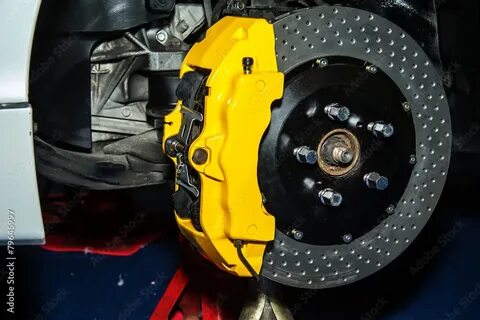
If you feel vibrations or a pulsing sensation in the brake pedal when you press it, this could indicate that something is wrong with your brake system. The issue might not be with the brake pads themselves, but with the brake rotors.
Why Do Brakes Pulsate?
Vibrations in the brake pedal are often caused by warped rotors. Rotors can become warped due to heat, heavy braking, or general wear over time. When the rotors are uneven, they cause the brake pads to make uneven contact with the surface, leading to a pulsation when you apply the brakes.
What To Do If You Feel Vibrations in the Pedal
If you feel a vibration when braking, it’s best to have your car inspected. A mechanic will check the rotors and may need to either resurface them or replace them if they are severely warped.
4. Soft or Spongy Brake Pedal
If your brake pedal feels unusually soft or spongy when you press it, it could be a sign of a serious brake issue. Under normal circumstances, the brake pedal should feel firm and responsive. If it feels weak or sinks to the floor, this can indicate a problem with the brake fluid or the brake system.
Why Do Brakes Feel Soft or Spongy?
There are several reasons your brake pedal might feel soft:
- Low Brake Fluid: One of the most common reasons for a soft brake pedal is low brake fluid. If the fluid level is low, it reduces the hydraulic pressure needed for the brakes to work effectively.
- Air in the Brake Lines: Air trapped in the brake lines can also cause the pedal to feel soft. This is usually a result of leaking brake lines or brake fluid that hasn’t been properly bled from the system.
- Brake Fluid Leaks: Leaks in the brake system can lead to low fluid levels, which can cause a spongy brake pedal.
- Worn Brake Components: Issues like worn-out master cylinders or brake calipers can also affect the firmness of your brake pedal.
What To Do If Your Brake Pedal Is Soft
If you notice a soft or spongy brake pedal, it’s important to have your brake system checked immediately. Low brake fluid, air in the brake lines, or a leak can significantly reduce your car’s ability to stop.
5. Car Pulling to One Side When Braking
If your car pulls to one side when you apply the brakes, it could be a sign that there is an issue with your brake system. This can be caused by uneven brake pad wear, problems with the brake calipers, or issues with the brake fluid.
Why Does the Car Pull to One Side?
Here are a few possible reasons why your car might pull when braking:
- Uneven Brake Pad Wear: If the brake pads on one side of your car are more worn than the other, it can cause the car to pull to that side when you brake.
- Sticking Brake Caliper: If a brake caliper becomes stuck or doesn’t release properly, it can cause uneven braking force on one side, making the car pull.
- Brake Fluid Issues: If there is an issue with the brake fluid, it can affect the braking force on one side of the car.
What To Do If Your Car Pulls to One Side
If your car pulls to one side when braking, take it to a repair shop right away. The mechanic will check the brake pads, calipers, and brake fluid to identify the cause of the problem and make the necessary repairs.
6. Warning Lights on the Dashboard
Many modern cars are equipped with sensors that monitor the performance of your braking system. If there’s a problem, a warning light may appear on your dashboard. This could be a Brake Warning Light, ABS Warning Light, or a Check Engine Light.
Why Do Warning Lights Appear?
Warning lights appear when the car’s sensors detect a problem with the brake system. For example:
- The Brake Warning Light could indicate low brake fluid or a general brake system issue.
- The ABS Warning Light might appear if there’s an issue with the Anti-lock Braking System.
- The Check Engine Light can sometimes signal a problem with the brake system, especially if it’s related to sensors or electrical components.
What To Do If the Warning Light Comes On
If a brake-related warning light appears, don’t ignore it. Pull over safely and get your car inspected by a professional mechanic as soon as possible. Ignoring warning lights can lead to more serious problems down the line.
7. A Burning Smell
A burning smell while driving, especially after heavy braking or long drives, is another warning sign of brake issues. This could indicate that the brake pads or other components are overheating.
Why Does a Burning Smell Happen?
Brake pads can overheat if they are worn out or if you’ve been using them too much, especially on long descents or when driving in heavy traffic. Overheating brakes can lead to permanent damage, so it’s important to address this issue quickly.
What To Do If You Smell Burning
If you notice a burning smell after heavy braking, pull over to a safe location and inspect the area around the wheels for any signs of smoke or excessive heat. If the smell continues, get your car to a repair shop immediately.
Conclusion: Stay Safe by Paying Attention to Your Brakes
Your car’s brakes are essential for your safety on the road, so it’s important to pay attention to any signs of trouble. Whether it’s squeaking, grinding, or a soft brake pedal, early detection can help you avoid dangerous situations and expensive repairs.
For More Insightful Articles Related To This Topic, Feel Free To Visit: topicterritory.