
What Are the Signs Your Septic Tank in Ellabell Needs Pumping?
Living with a Septic Tank in Ellabell isn’t usually something you think about until something smells wrong—literally. Most homeowners don’t keep septic schedules on the fridge, so problems sneak up slowly. When they do, they bring mess, stress, and sometimes expensive repairs. Knowing the early signs helps you act before your yard turns swampy or your drains fight back. Here’s a down-to-earth guide to spotting trouble before it hits full force.
1. Slow Drains That Seem to Get Worse
A single sluggish Gomorrah can just be a clog, but when every drain starts dragging, it’s frequently your septic tank soliciting attention. You may notice water moping in the hogshead or the kitchen Gomorrah taking ever to clear. It creeps up over days, perhaps weeks, until it becomes insolvable to ignore. This retardation generally means the tank is too full to accept further wastewater. Pumping beforehand prevents those slow rainspouts from turning into backups.
2. Gurgling Sounds in Your Plumbing
Your toilet should flush still, not rumble like it’s offended. When you start hearing bubbly gurgles after showers or flushes, that’s trapped air escaping because wastewater is n’t moving through the system duly. It can feel like your plumbing is trying to talk to you, and actually, it is. These noises frequently gesture at a septic tank approaching capacity. Ignoring them means you risk bigger issues, like sewage creeping back into your ménage rainspouts. Gurgles are generally an early and dependable warning.

3. Bad Odors Inside or Outside the House
Nothing cautions a homeowner briskly than the unmistakable trace of sewage.However, around the yard, or especially near the drain field, If you catch foul smells near cesspools. Septic odors escape when the tank is full or floundering to break down waste. In Ellabell’s sticky climate, smells hang in the air longer, making the problem harder to overlook. When the stink shows up constantly, pumping is overdue.
4. Standing Water Around the Drain Field
after every flush.However, it’s nearly always a sign your septic tank is n’t recycling wastewater rightly, If you spot standing water in that area on a dry day. The soil gets impregnated, and water has nowhere to go but over. This is n’t just messy; it’s unsafe. Wastewater rising to the face means the system is overfilled. Pumping the tank helps keep your yard from turning into a swamp.
5. Greener Grass in Just One Area
It sounds great—lush, bright green grass without effort. But when that green patch sits directly above your septic drain field, it’s not lawn magic. It’s wastewater leaking below the surface and fertilizing the area like crazy. In Ellabell’s warm seasons, the color difference can be dramatic. A tank that’s too full pushes liquid waste into the soil before it’s treated. Pumping restores the balance so the entire yard grows evenly instead of showing a neon-green warning sign.
6. Frequent Toilet Backups
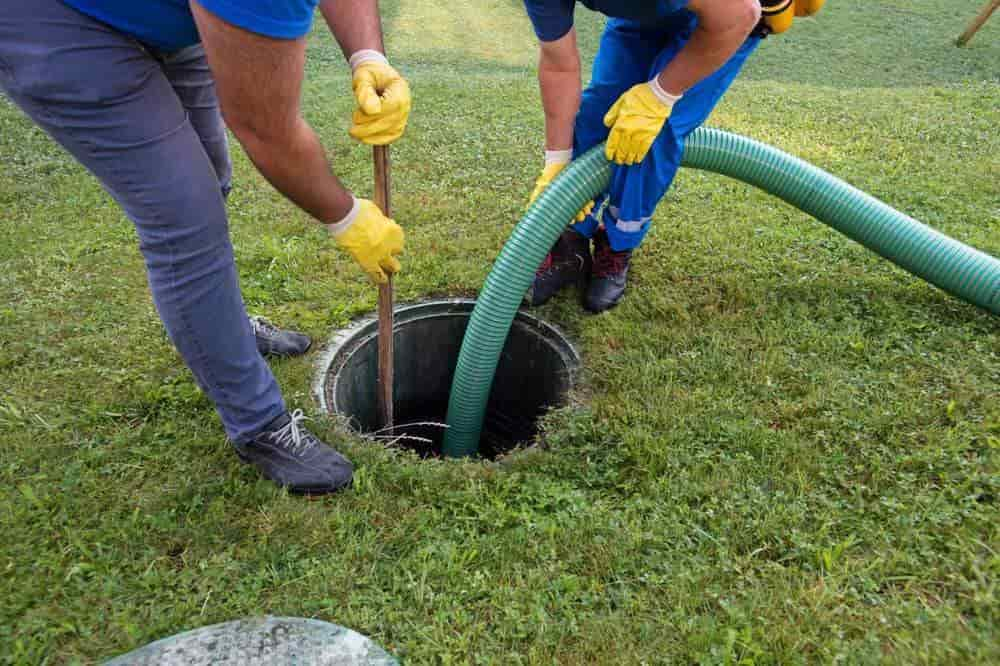
A toilet that backs up once is annoying. A toilet that backs up twice in a week is a problem. If plunging isn’t solving anything and everything seems to bubble or spit water back at you, the issue is rarely inside the toilet itself. A full septic tank leaves nowhere for waste to go, so it sits in the line and eventually pushes back into your home. Don’t wait until raw sewage appears. Backup patterns almost always signal the need for pumping.
7. You Can’t Remember the Last Time It Was Pumped
Sometimes the clearest sign is a simple calendar check. If you’re scratching your head trying to remember the last service date, it’s probably time. Most homes need pumping every three to five years, though large families or garbage-disposal heavy homes may need it sooner. In Ellabell, soil type and weather can also speed up the schedule. Waiting for physical symptoms risks pricey repairs. A tank that hasn’t been pumped in years is always living on borrowed time.
8. Unusually High Nitrate Levels in Well Water
Still, routine testing matters, if your home uses well water. Elevated nitrate situations do n’t show up as smells or tastes, so homeowners frequently miss this sign until the figures come back from the lab. When a septic system gets too full, it can blunder pollutants into girding groundwater, including wells. That puts your family at risk.However, pumping the tank is a pivotal first step toward guarding your water source and health, If you’ve had a recent shaft in nitrates.
9. Toilets and Sinks Bubbling During Heavy Water Use
Running the washing machine should n’t beget the restroom to burp.However, your septic system is floundering to handle high- volume water inflow, If it does. When wastewater ca n’t travel freely, it forces air through the plumbing, creating those strange bubbles. This is frequently amid-stage warning — further critical than slow rainspouts but not yet a full backup.However, laundry, or dishwashing, If you notice this washing during showers.

10. Your Yard Smells Worse After Rain
Ellabell gets its fair share of downpours, and rain can reveal septic issues fast. When a tank is overloaded, added rainwater saturates the soil and forces odors upward. If your yard smells sour or sewage-like after storms, the septic system is likely overwhelmed. It may also mean your drain field is beginning to fail. Pumping the tank is the first line of defense and often prevents long-term damage. Those rainy-day smells should never be ignored.
Conclusion
Catching septic problems early saves money, stress, and your yard from disaster. Most signs start small—strange sounds, slower drains, a yard that looks a little too green—before turning into something messy. Listening to these early warnings keeps your system healthy and your home comfortable. When in doubt, schedule an inspection or a pump-out before things escalate. Proper care protects your property, especially when paired with maintenance options like hydro jetting septic field, helping your system stay dependable for years.