
What to Expect During a Professional Aircon Service Visit
As the temperatures rise and the summer months approach, ensuring your air conditioning system is in top shape becomes essential. A professional aircon service visit is more than just a routine check; it’s a comprehensive process designed to keep your unit running efficiently, extend its lifespan, and provide you with reliable cooling when you need it most. But what exactly happens during a professional aircon service? Understanding the process can help you prepare for the visit and appreciate the value of regular maintenance.
Scheduling and Preparing for the Service
Before the technician arrives, you’ll typically schedule an appointment based on your convenience and the company’s availability. Many service providers offer flexible scheduling options, including same-day or next-day visits, especially during peak seasons. This adaptability is particularly beneficial during sweltering summer months when air conditioning systems are under heavy use, and any malfunction can lead to discomfort. Some companies even provide online booking systems that allow you to select your preferred time slot, making the process even more user-friendly.
Preparation on your part is minimal but helpful. Clearing the area around your indoor and outdoor units ensures the technician can access all necessary components without obstruction. If your air conditioning system is integrated with other home systems, informing the technician beforehand can help them prepare the right tools and parts. Additionally, it’s a good idea to check if there are any specific access codes or security measures for your property that the technician should be aware of, ensuring a smooth entry and exit during their visit.
What Information to Have Ready
Having certain details at hand can streamline the service process. This includes the make and model of your aircon unit, any warranty information, and a brief description of any issues you’ve noticed, such as unusual noises, inconsistent cooling, or increased energy bills. Providing this information helps the technician diagnose problems more efficiently. You might also want to note the last time the system was serviced, as this can provide valuable context regarding its maintenance history and any recurring issues that may need to be addressed.
Furthermore, if you have made any recent changes to your home, such as renovations or the addition of new appliances, it’s wise to mention these to the technician. Such alterations can impact your air conditioning system’s performance, and being transparent about them can lead to more effective troubleshooting. Keeping a record of past service appointments, including any repairs or parts replaced, can also be beneficial, as it allows the technician to quickly assess the system’s condition and make informed recommendations for future maintenance or upgrades. For expert assistance and reliable maintenance, don’t hesitate to visit Aircon Servicing website to ensure your system continues running efficiently.
Initial Inspection and System Assessment
Once the technician arrives, the first step is a thorough inspection of your air conditioning system. This initial assessment is crucial to identify any visible signs of wear, damage, or potential problems. A well-executed inspection not only helps in diagnosing existing issues but also aids in preventing future breakdowns, ensuring that your system operates at peak efficiency throughout the hot months.
Checking the Outdoor Unit
The outdoor condenser unit is exposed to the elements and can accumulate dirt, leaves, and debris that hinder performance. The technician will inspect the fins and coils for dirt buildup, physical damage, or corrosion. They may also check the fan motor and blades to ensure they are functioning correctly and not obstructed. Additionally, the technician will assess the refrigerant lines for any signs of leaks or insulation wear, as these can significantly impact the system’s efficiency and cooling capacity. Proper airflow around the outdoor unit is also crucial, so the technician may recommend trimming back any nearby vegetation that could impede airflow.
Inspecting the Indoor Unit
Inside your home, the technician examines the evaporator coil and air filters. Dirty filters restrict airflow and reduce efficiency, so they are cleaned or replaced as needed. The evaporator coil is checked for dirt and mold, which can affect air quality and cooling performance. Furthermore, the technician will evaluate the condensate drain line to ensure it is clear and functioning properly, as a clogged drain can lead to water damage and increased humidity levels in your home. They may also inspect the ductwork for any leaks or blockages, which can compromise the overall efficiency of your air conditioning system and lead to uneven cooling throughout your space.
Cleaning and Maintenance Procedures
Cleaning is a significant part of the service visit. Over time, dust, dirt, and other contaminants accumulate in the system, reducing its efficiency and potentially causing damage. Regular maintenance not only prolongs the life of your HVAC system but also ensures that it operates at peak performance, providing you with the comfort you expect in your home. Additionally, neglecting these cleaning procedures can lead to costly repairs down the line, making it essential to prioritize routine service visits.
Filter Cleaning or Replacement
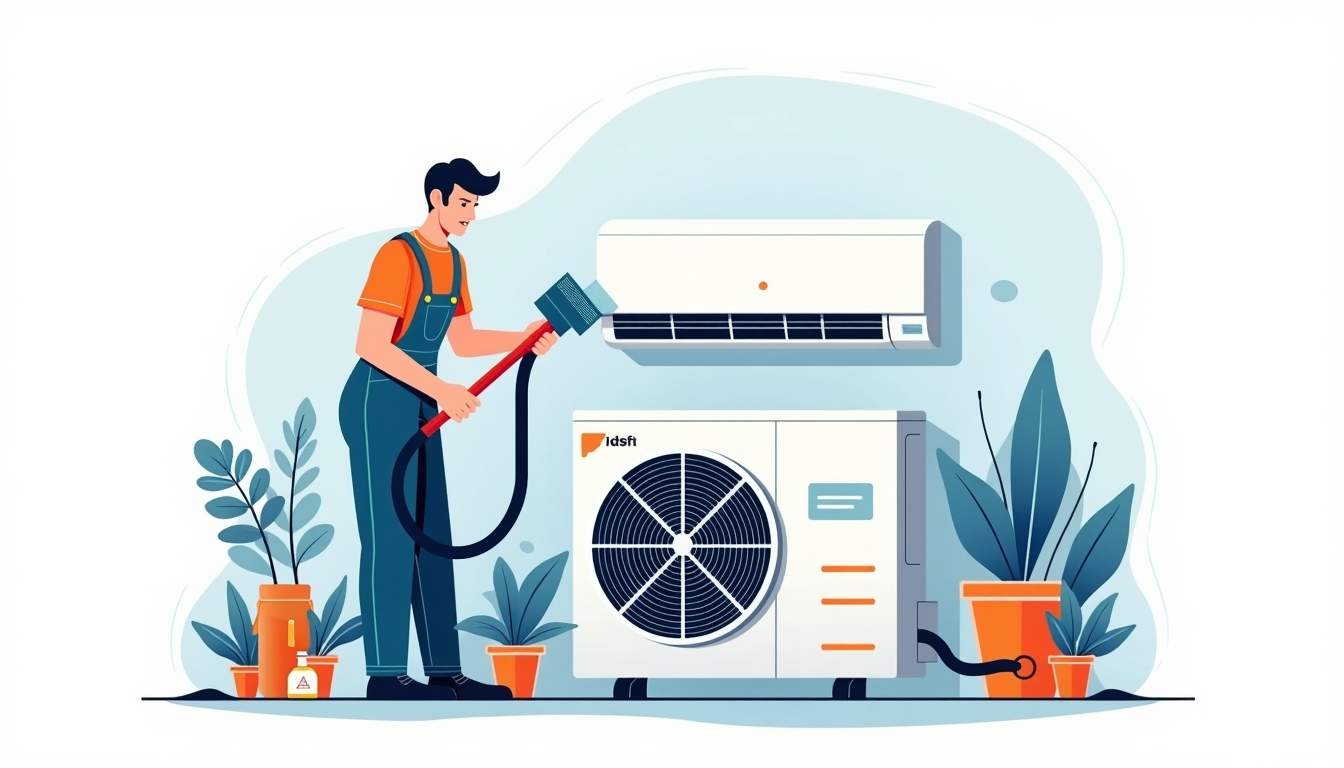
Air filters play a vital role in maintaining indoor air quality and system efficiency. The technician will either clean reusable filters or replace disposable ones. Regular filter maintenance can prevent dust buildup in the system and improve airflow. It’s important to note that the frequency of filter changes can vary based on factors such as the type of filter, the presence of pets, and the overall air quality in your environment. Homeowners should check their filters monthly and replace or clean them as needed to ensure optimal performance.
Coil Cleaning
Both the evaporator and condenser coils need to be clean for optimal heat exchange. The technician uses specialized cleaning solutions and tools to remove dirt and grime from the coils. This process helps the system cool your home more effectively and reduces energy consumption. Dirty coils can lead to higher energy bills and increased wear on the system, so keeping them clean is crucial. In addition to regular cleaning, technicians may also inspect the coils for signs of corrosion or damage, which can indicate the need for further repairs or replacements.
Clearing the Drain Line
Air conditioners produce condensation that drains away through a pipe. Over time, this drain line can become clogged with algae or debris, leading to water leaks or damage. The technician will flush the drain line to ensure it is clear and functioning properly. This step is vital not only for preventing water damage but also for maintaining the overall efficiency of the cooling system. If the drain line is not cleared regularly, it can lead to a buildup of moisture, creating an environment conducive to mold growth, which can pose health risks to occupants. Regular inspections and maintenance of the drain line can help mitigate these issues and keep your indoor air quality safe and healthy.
System Performance Checks
After cleaning and basic maintenance, the technician conducts a series of tests to ensure your air conditioning system is operating efficiently and safely.
Refrigerant Level Check
The refrigerant is the substance that absorbs heat from your home and releases it outside. Low refrigerant levels can cause poor cooling and increase energy consumption. The technician uses gauges to check the refrigerant pressure and may recharge the system if necessary. It’s important to note that refrigerant leaks should be repaired before recharging.
Electrical Component Inspection
Electrical connections and components are examined for signs of wear, corrosion, or damage. Loose or faulty wiring can cause system failures or safety hazards. The technician will tighten connections and replace any damaged parts to ensure safe operation.
Thermostat Calibration
The thermostat controls your air conditioning system based on your temperature settings. The technician will verify that the thermostat is calibrated correctly and functioning as intended. This helps maintain consistent indoor temperatures and prevents unnecessary energy use.
Addressing Repairs and Recommendations
If the technician identifies any issues during the inspection or performance checks, they will discuss the necessary repairs with you. This may include replacing worn-out components, fixing refrigerant leaks, or addressing electrical problems.
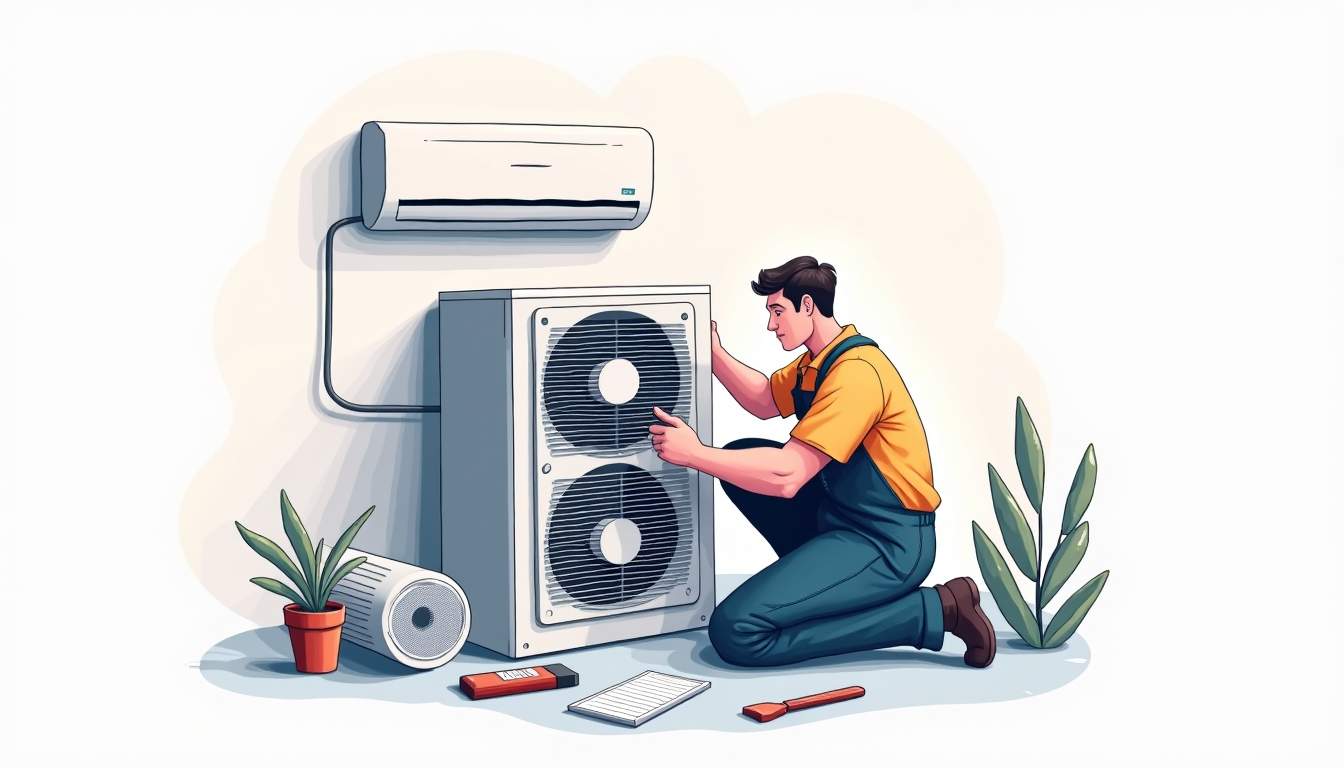
In addition to repairs, the technician may offer recommendations to improve your system’s efficiency or extend its lifespan. This could involve upgrading to a programmable thermostat, sealing ductwork, or scheduling more frequent maintenance visits.
Cost Estimates and Scheduling Repairs
Professional technicians typically provide a clear estimate for any recommended repairs before proceeding. This transparency allows you to make informed decisions about your air conditioning system. If repairs are needed, scheduling them promptly can prevent further damage and ensure your system remains reliable.
Final Testing and Customer Walkthrough
Once maintenance and any necessary repairs are complete, the technician will run the air conditioning system through a final series of tests. This ensures that all components are working correctly and that the system is cooling effectively.
Before concluding the visit, the technician often walks you through the work performed, explaining any findings, repairs, or recommendations. This is a great opportunity to ask questions about your system’s operation, maintenance tips, or energy-saving strategies.
Benefits of Regular Professional Aircon Service
Scheduling regular professional aircon service visits offers numerous benefits beyond just keeping your home cool. Routine maintenance helps catch small issues before they become costly repairs, improves energy efficiency, and extends the lifespan of your system.
Moreover, a well-maintained air conditioning system contributes to better indoor air quality by reducing dust, mold, and allergens circulating in your home. This can be especially important for households with children, elderly members, or individuals with respiratory conditions.
Energy Savings and Environmental Impact
An efficiently running air conditioner uses less electricity, which translates to lower utility bills. Additionally, reducing energy consumption helps minimize your environmental footprint by lowering greenhouse gas emissions associated with power generation.
Peace of Mind and Comfort
Knowing that your air conditioning system has been professionally serviced provides peace of mind, especially during extreme weather conditions. You can trust that your home will remain comfortable and that your system is less likely to break down unexpectedly.
Conclusion
A professional aircon service visit is a comprehensive process that involves inspection, cleaning, maintenance, testing, and sometimes repairs. Understanding what to expect during the visit can help you prepare and appreciate the value of regular maintenance.
From clearing debris around the outdoor unit to checking refrigerant levels and calibrating the thermostat, each step plays a crucial role in ensuring your air conditioning system operates efficiently and reliably. Regular professional servicing not only enhances performance and energy efficiency but also extends the life of your unit and improves indoor air quality.
Investing in professional aircon service is an investment in your comfort, health, and peace of mind. As summer approaches, scheduling a service visit can help you stay cool and comfortable all season long.