
What to Expect from a Full AC Chemical Maintenance
Air conditioning units are vital for maintaining comfort in homes and workplaces, especially during sweltering summer months. To keep these systems running efficiently and prolong their lifespan, regular maintenance is essential. One of the most effective ways to maintain an AC unit is through full chemical maintenance. This process involves a thorough cleaning and treatment of the system’s components using specialized chemical agents. But what exactly does a full AC chemical maintenance entail, and why is it important? This article explores everything you need to know about this service, what to expect during the process, and how it benefits your air conditioning system.
Understanding Full AC Chemical Maintenance
Full AC chemical maintenance is more than just a simple cleaning. It’s a comprehensive procedure designed to remove dirt, grime, mold, and other contaminants that accumulate inside the air conditioning system over time. These contaminants can impair the AC’s efficiency, reduce air quality, and even cause mechanical issues if left unchecked.
The maintenance involves using chemical solutions specifically formulated to break down and dissolve buildup on critical components such as coils, filters, drain pans, and ducts. Unlike standard cleaning, which might rely on water and basic detergents, chemical maintenance targets stubborn deposits and microbial growth that ordinary cleaning cannot fully address.
By employing chemical agents, technicians can restore the system’s cleanliness and functionality, ensuring optimal airflow, heat exchange, and overall performance. This type of maintenance is especially important for older units or those operating in environments prone to dust, pollution, or high humidity.
In addition to enhancing performance, full AC chemical maintenance can significantly extend the lifespan of the air conditioning system. Regularly scheduled chemical cleanings help prevent the wear and tear that can result from accumulated debris and corrosion, which can lead to costly repairs or even premature system failure. Moreover, a clean AC unit operates more efficiently, which can translate into lower energy bills and a reduced carbon footprint. Homeowners and businesses alike can benefit from understanding the importance of this maintenance as part of their overall HVAC care routine.
Furthermore, the process of chemical maintenance often includes a thorough inspection of the entire system. Technicians not only clean but also assess the condition of various components, identifying any potential issues before they escalate into major problems. This proactive approach can save time and money in the long run, as it allows for timely repairs and adjustments. Additionally, many service providers like SoCool offer warranties or guarantees on their chemical maintenance services, providing customers with peace of mind that their systems are in good hands. For more details on our comprehensive service packages, please see the following link: https://www.socool.sg/
The Key Components Treated During Chemical Maintenance
Evaporator and Condenser Coils
The evaporator and condenser coils are at the heart of the AC’s cooling process. Over time, these coils can become coated with dirt, dust, and grease, which acts as an insulating layer, reducing their ability to absorb and release heat effectively. Chemical cleaning solutions are applied to dissolve these deposits, restoring the coils’ thermal conductivity and improving energy efficiency.
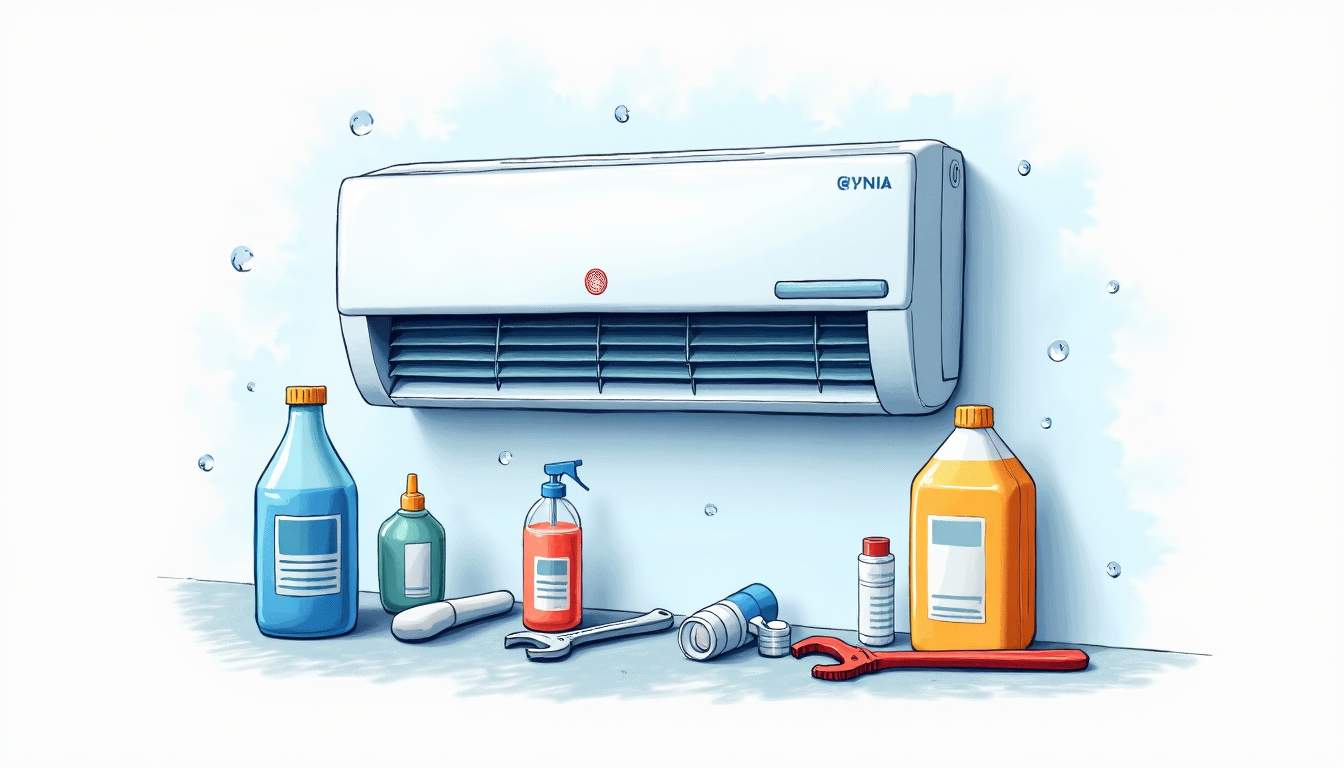
Technicians carefully apply coil cleaners that are safe for the metal surfaces but powerful enough to remove stubborn buildup. After the chemical treatment, the coils are rinsed thoroughly to remove any residue, preventing corrosion or damage.
Air Filters and Drain Pans
Air filters trap airborne particles, but they can become clogged with dust and debris, limiting airflow and straining the system. During chemical maintenance, filters are either cleaned with specialized solutions or replaced if necessary. This step ensures that the air circulating through the system is clean and free of allergens or pollutants.
Drain pans collect condensation from the evaporator coils, but they can also harbor mold and mildew if not cleaned regularly. Chemical agents are used to sanitize these pans, preventing unpleasant odors and potential water damage caused by clogged drains.
Ductwork and Vents
Though not always included in every chemical maintenance package, cleaning the ductwork and vents can significantly improve indoor air quality. Dust, mold spores, and other contaminants can accumulate inside ducts, circulating throughout the building whenever the AC runs. Chemical treatments can be applied to disinfect and deodorize the duct system, reducing allergens and improving overall air freshness.
The Step-by-Step Process of Full AC Chemical Maintenance
Initial Inspection and Assessment
The process begins with a thorough inspection of the entire air conditioning system. Technicians assess the condition of the coils, filters, drain pans, and ducts to identify areas with heavy buildup or damage. This evaluation helps determine the appropriate chemical agents and cleaning methods to use.
During this stage, any signs of wear or mechanical issues are noted, allowing for timely repairs that can prevent costly breakdowns later on.
System Shutdown and Safety Precautions
Before starting the chemical cleaning, the AC system is powered down to ensure safety. Technicians take precautions to protect electrical components and surrounding areas from chemical exposure. Proper ventilation is also established to prevent the buildup of fumes during the cleaning process.
Application of Chemical Cleaners
Using specialized sprays, foams, or liquids, technicians apply chemical cleaners to the coils, filters, and other targeted components. These chemicals are designed to break down dirt, grease, mold, and other residues without damaging the system’s materials.
The application may involve letting the chemicals sit for a specified period to maximize their effectiveness, followed by scrubbing or agitation if necessary.
Rinsing and Removal of Residue
After the chemical agents have done their work, the treated components are rinsed with water or other neutralizing solutions to remove all chemical residues. This step is crucial to prevent corrosion or chemical buildup that could harm the system over time.
Technicians ensure that all moisture is drained properly to avoid water accumulation that could lead to mold growth.
Sanitizing and Deodorizing
In many cases, a final treatment with sanitizing chemicals is performed to kill any remaining bacteria, mold spores, or fungi. This step helps eliminate odors and improves the overall hygiene of the air conditioning system.
System Testing and Final Inspection
Once cleaning and chemical treatments are complete, the AC system is restarted and tested to ensure it is functioning correctly. Airflow, temperature regulation, and noise levels are checked to confirm that the maintenance has restored optimal performance.
The technician may also provide recommendations for ongoing care or necessary repairs discovered during the maintenance.
Benefits of Full AC Chemical Maintenance
Improved Energy Efficiency
Dirty coils and clogged filters force the air conditioner to work harder, consuming more electricity. Chemical maintenance cleans these components thoroughly, allowing the system to operate more efficiently. This can lead to noticeable reductions in energy bills and a smaller environmental footprint.
Extended Equipment Lifespan
Regular chemical cleaning prevents the buildup of harmful deposits that can cause corrosion or mechanical wear. By maintaining the system’s cleanliness, chemical maintenance helps extend the life of your air conditioning unit, delaying the need for costly replacements.
Enhanced Air Quality
Removing mold, bacteria, and dust from the AC system improves the quality of the air circulating indoors. This is particularly beneficial for individuals with allergies, asthma, or other respiratory conditions, creating a healthier living or working environment.
Reduced Repair Costs
By identifying and addressing issues early during chemical maintenance, costly repairs can often be avoided. Keeping the system clean reduces the likelihood of breakdowns caused by clogged components or microbial damage.
How Often Should Full AC Chemical Maintenance Be Performed?
The frequency of chemical maintenance depends on several factors, including the age of the AC unit, environmental conditions, and usage patterns. For most residential systems, a full chemical cleaning once every 1 to 2 years is recommended to maintain peak performance.
Commercial or industrial units operating in dusty or humid environments may require more frequent treatments. Additionally, if occupants notice musty odors, reduced cooling efficiency, or increased energy bills, it may be time to schedule chemical maintenance.
Choosing a Professional Service for Chemical Maintenance
Because chemical maintenance involves handling specialized cleaning agents and working with sensitive HVAC components, it’s important to hire trained and experienced professionals. Certified HVAC technicians understand the correct procedures, safety protocols, and environmental regulations necessary for effective and safe chemical cleaning.
When selecting a service provider, look for companies with strong reputations, positive customer reviews, and transparent pricing. A reputable technician will also provide a detailed report of the maintenance performed and any recommendations for future care.
Precautions and Considerations
While full AC chemical maintenance offers many benefits, it’s essential to ensure that the chemicals used are environmentally friendly and safe for indoor air quality. Some harsh chemicals can leave residues or emit fumes that may be harmful if not properly managed.
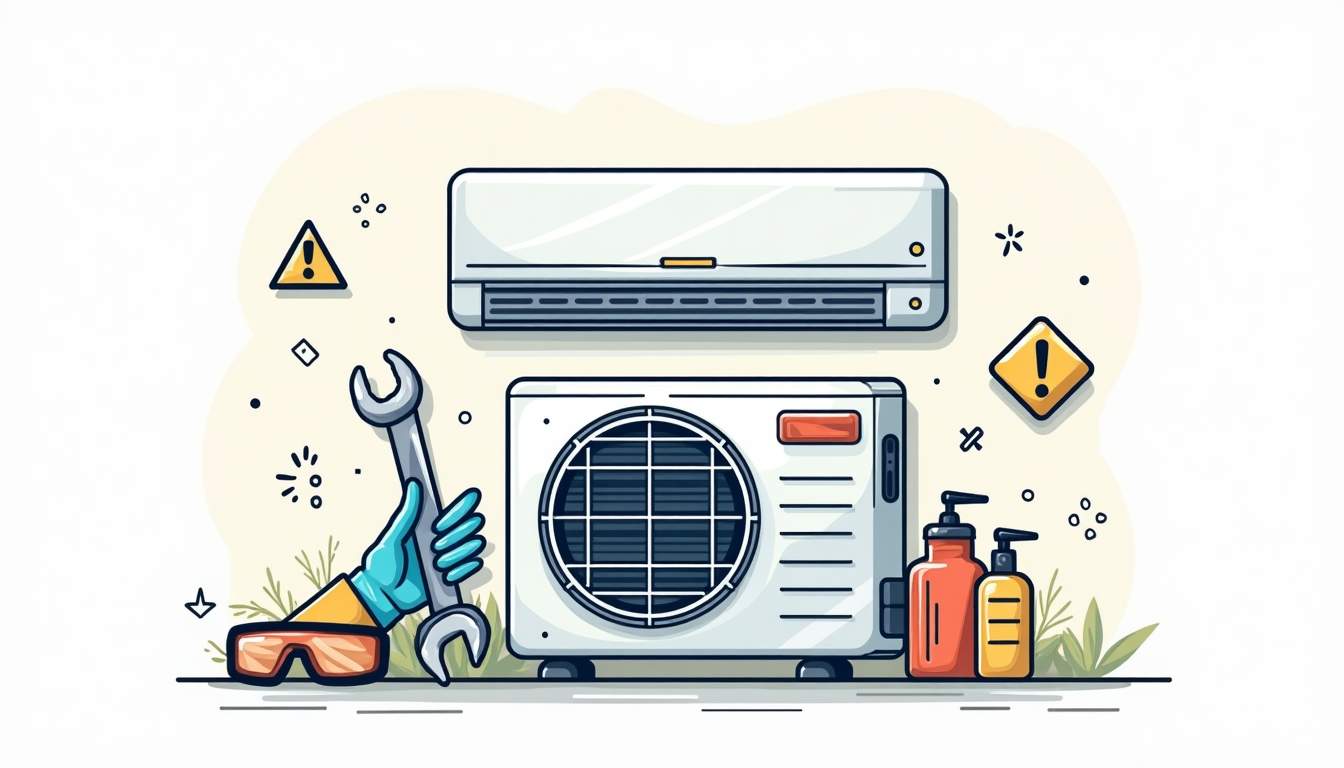
Homeowners and business managers should discuss any concerns about chemical use with their service provider and inquire about the types of products being applied. Additionally, it’s advisable to ventilate the area well during and after the maintenance procedure.
Conclusion
Full AC chemical maintenance is a vital service that goes beyond routine cleaning to deeply cleanse and protect your air conditioning system. By removing stubborn deposits, sanitizing components, and restoring efficiency, this maintenance helps ensure your AC unit runs smoothly, saves energy, and delivers clean, comfortable air.
Scheduling regular chemical maintenance with a trusted HVAC professional can prevent unexpected breakdowns, improve indoor air quality, and extend the life of your investment. Whether for a residential or commercial system, understanding what to expect from this service empowers you to make informed decisions about your air conditioning care.