
When Should You Schedule Tick Spraying in New Canaan for Best Results?
Ticks are not only annoying—they are a significant threat to human and pet health. In properties such as New Canaan, where outdoor lifestyles, forest environments, and rich greens are the norm, tick infestations can quickly become an ongoing issue if not monitored. Lyme disease, babesiosis, and other diseases transmitted by ticks are increasingly prevalent, and active tick control is a mandatory aspect of creating and sustaining a healthy and secure environment.
The big question homeowners often ask is: “When is the best time to schedule tick spraying in New Canaan?” Timing is critical because ticks have specific life cycles, and treatments are most effective when applied at certain stages. Below, we’ll explore ten key factors that determine the best time to spray and why a strategic schedule ensures maximum protection for your property and family.
1. Understanding Tick Life Cycles
Ticks have four major stages: egg, larva, nymph, and adult. Each stage has varying habits of feeding as well as activity. For example, nymphs will be active late in spring and early summer, whereas the adults will appear in autumn and early spring. Spraying should be synchronized with these stages to interrupt the reproducing cycle and stop the population from flourishing. In New Canaan, where wooded backyards are just the right ticks’ breeding ground, targeting the larval and nymphal stages is especially essential since these are the ticks that are most likely to bite man and pet.
2. Early Spring: The First Line of Defense
Spring is one of the best seasons to plan tick spraying in New Canaan. As temperatures rise, ticks emerge and begin to hunt for hosts. Spraying during early spring kills adult ticks that have overwintered in leaf litter or tall grass. Removing them prior to egg laying significantly minimizes the tick population for the remainder of the year. Homeowners who get an early treatment typically experience fewer tick encounters during the remainder of the summer months, which is why spring treatments are an important part of successful tick management.
3. Late Spring to Early Summer: Nymph Activity Targeting
The nymph stage is most hazardous to human health. Nymph ticks are tiny, roughly the size of a poppy seed, and bites usually go undetected. This is why they are the major vectors of Lyme disease in Connecticut. Spraying between May and June prevents the nymphs from reaching peak activity. Because nymphs are more difficult to spot, the targeted spraying of their populations provides a measure of protection for families, children, and pets that spend time outdoors during these months.
4. Summer Maintenance Sprays
As of midsummer, many families in New Canaan are already host to backyard barbecues, pool parties, and play sessions with pets. Alas, ticks are still active at this time, particularly in shaded or moist areas. A summer spray is a maintenance application to maintain low populations. Though less necessary than spring sprays, summer spraying is especially useful for heavily landscaped properties, wildlife use, or pets that spend much time outdoors. It provides an ongoing barrier against reinfestation during the most active outdoor months.
5. Fall Sprays: Lowering Next Year’s Population
Ticks do not vanish when it gets cooler. Actually, the adult ticks are very active during the fall as they go in search of host animals to feed on before winter. If not treated, these adults will oviposit which hatch the next spring and repeat the cycle. A fall spray interferes with this process and decreases the population of ticks that overwinter. A majority of specialists suggest integrating spring and fall sprays for optimal long-term effects, particularly in areas with dense forests of New Canaan.
6. Weather Factors for Maximum Effects
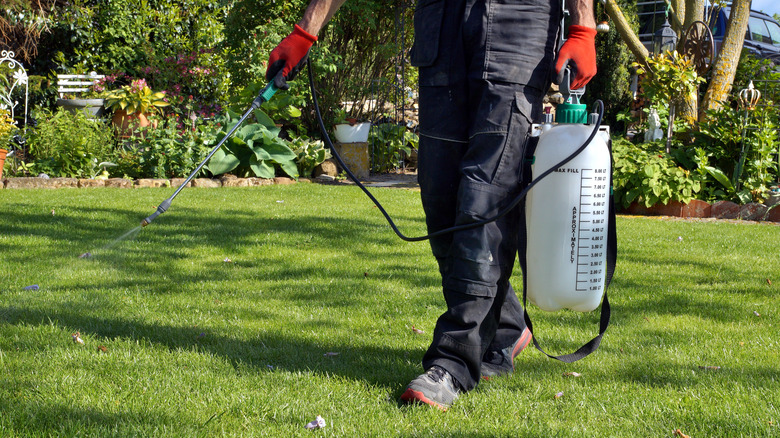
Weather significantly contributes to the efficacy of tick spraying. Sprays work best in dry weather since rain might flush the treatment away before it has a chance to absorb completely into the vegetation. Also, tick action increases during mild, wet weather—weather typical of New Canaan spring and summer. Spraying when the weather is dry and temperatures are moderate guarantees optimal coverage and efficacy. Professional services pay close attention to weather reports to assist homeowners with the ideal days for application.
7. Busy Times for Outdoor Activities
When booking tick spraying, it’s also advisable to take your family’s life into account. If you have outdoor events, gardening work, or children and pets who spend a lot of time playing outdoors, coordinate spraying with these times of heavy outdoor use. For example, a spray timed just before summer camp or a scheduled family event can bring extra reassurance. Preemptive spraying prior to maximum times for outdoor activity decreases the likelihood of tick bites and the stress that accompany them.
8. New Canaan Individualized Spraying Schedules for Homes
All homes in New Canaan are not created equal. Some have sunny, open backyards, but others about dense forests or wetlands that welcome wildlife and offer optimal tick habitats. Homes with deer traffic, for instance, pose a greater risk because deer are frequent tick hosts. Professional tick spray services usually develop individualized spraying schedules according to your landscape, presence of wildlife, and level of tick activity. This individualized treatment means your property gets the appropriate treatment at the appropriate time.
9. Complementing Spraying with Other Prevention
Tick spraying is most effective when it’s used alongside other prevention methods. Minor landscaping changes—such as mowing grass short, clearing leaves, and installing gravel barriers—decrease tick habitats. Pet treatments, including veterinarian-recommended tick preventives, provide an additional layer of protection. Scheduling spraying in conjunction with these other efforts boosts performance and guarantees complete tick control. For instance, spraying subsequent to yard cleanups can be most effective because ticks have fewer areas to hide. Combining these measures guarantees your tick control plan is proactive and long-term.
10. Consistency Is Key: Why One Spray Isn’t Enough
Most homeowners err by believing a single spray annually is adequate. As a matter of fact, tick populations recover fast because they have a multi-stage life cycle. Regular spraying during the year—spring, summer, and fall—provides overlapping protection that interferes with breeding cycles and reduces population growth. Professional New Canaan services typically suggest a minimum of three treatments annually for long-lasting protection. Homeowners who stick to a routine regime report the best outcomes, with fewer ticks and less threat of tick-borne disease.
Conclusion
Ticks are more than just a seasonal nuisance—they are an actual health risk for families and pets in New Canaan. Having tick spraying done at the optimal times is what makes the difference in decreasing their numbers and protecting your property. By targeting the critical periods of early spring, late spring through early summer, and fall, homeowners can break up the tick life cycle and mitigate extensive infestations. Weather patterns, lifestyles, and property also contribute significantly to the creation of the optimal schedule.
A yearly-round, consistent method that incorporates early interventions, maintenance and tick spraying service, and combined preventive measures guarantees the optimal outcome. If you love to host outdoor gatherings, gardens, or just want to have peace of mind during outdoor play for your children and pets, professional tick spraying adapted to New Canaan’s climate provides effective protection. The best time to spray is not one season, but rather an orchestrated effort throughout the year, so your house remains safe, comfortable, and tick-free.