
Which Gas Is Filled in Car Tyres and Why It Matters for Your Car
Tyres are one of the most important components of any vehicle, yet many drivers rarely think about what actually goes inside them. Understanding which gas is filled in car tyres can help you make more informed decisions about safety, fuel efficiency, handling, and long-term performance. Whether you drive a compact car, an SUV, or a high-performance vehicle, tyre pressure and the type of gas used play a crucial role in your daily driving experience.
While air has traditionally been the standard for tyre inflation, nitrogen has grown increasingly popular in recent years. But does the gas you choose really make a difference? And how does it tie in with factors such as your tyre’s load capacity and tyre speed rating? Let’s explore these questions in detail.
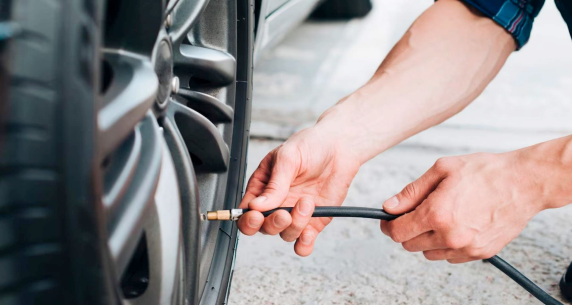
What Gas Is Commonly Used in Car Tyres?
When we talk about which gas is filled in car tyres, the most common answer is regular air—the same air around us. Standard air contains:
- 78% nitrogen
- 21% oxygen
- 1% other gases (argon, CO₂, etc.)
This blend works sufficiently well for most vehicles. However, because air includes oxygen and moisture, tyres inflated with regular air may experience varying pressure levels as temperatures change.
In contrast, pure nitrogen, which is now used by many drivers, is considered more stable due to its dry and non-reactive properties. Nitrogen is especially preferred for high-performance vehicles, luxury cars, racing vehicles, and situations where precise tyre pressure is crucial.
Why Do Some Drivers Choose Nitrogen?
The growing interest in nitrogen raises a key question: Does nitrogen actually improve tyre performance? Here’s why many drivers choose nitrogen inflation:
- More Stable Pressure
Nitrogen molecules are larger and less prone to leaking through rubber, resulting in more consistent pressure over time.
- Reduced Moisture
Since nitrogen inflation is moisture-free, it reduces internal corrosion on the rim and stabilizes pressure better during temperature fluctuations.
- Improved Tyre Life
By maintaining a more stable pressure, nitrogen can help reduce irregular wear patterns and improve long-term tyre health.
- Better for High-Speed or High-Temperature Conditions
Drivers with high-performance cars or those who regularly drive at higher speeds may benefit from nitrogen’s stability.
While nitrogen is beneficial, it is important to note that both air and nitrogen work effectively when tyre pressure is properly maintained.
When Should You Prefer Air Instead of Nitrogen?
Although nitrogen offers advantages, regular air remains completely safe and practical for everyday use. You may prefer air if:
- You want a cost-effective option (air is usually free).
- You prefer the convenience of topping up pressure at any petrol pump.
- You don’t drive long distances or at consistently high speeds.
The key factor is not the gas itself, but maintaining proper tyre pressure at all times.
How Gas Type Affects Tyre Pressure and Performance
Understanding which gas is filled in car tyres matters because tyre pressure directly affects:
- Fuel efficiency
- Braking distance
- Handling and stability
- Tyre lifespan
- Comfort
Both under-inflation and over-inflation can lead to safety risks. Under-inflation causes excessive friction, reducing fuel economy and increasing the risk of blowouts. Over-inflation may result in reduced grip, uneven wear, and a harsh driving experience.
Whether you use air or nitrogen, always check your tyre pressure every two weeks or before long trips.
Connection Between Gas Type and Tyre Speed Rating
Many drivers don’t realize that the gas used inside tyres can influence how well the tyre performs according to its tyre speed rating. This rating indicates the maximum speed a tyre can safely sustain under ideal conditions.
Common tyre speed ratings include:
- S (180 km/h)
- H (210 km/h)
- V (240 km/h)
- W (270 km/h)
- Y (300 km/h)
Tyres designed for higher speed ratings require extremely stable internal pressure to maintain structural integrity. In such cases, nitrogen offers an advantage because it maintains tyre pressure more consistently at high speeds and in extreme temperatures.
High-performance vehicles and SUVs with high tyre speed rating values often benefit more from nitrogen inflation.
Does the Gas Affect Fuel Efficiency?
Yes, indirectly. Proper tyre pressure reduces rolling resistance, which means your vehicle uses less fuel. Since nitrogen maintains pressure more consistently, it can help improve fuel efficiency over time. However, air can provide the same benefit—as long as tyre pressure is monitored regularly.
Impact on Safety and Handling
The gas used inside tyres impacts safety primarily through pressure stability. Properly inflated tyres offer:
- Better grip
- Smoother handling
- Shorter braking distance
- Lower chances of blowouts
This is especially important for high-speed highway driving. When considering which gas is filled in car tyres, nitrogen may give an added layer of safety for drivers who cover long distances or frequently travel at high speeds.
Availability and Cost Comparison
- Air: Free or minimal cost; available everywhere.
- Nitrogen: Usually available at premium tyre shops; cost varies but is typically higher than air.
If convenience is your priority, air remains a great option. If performance and long-term tyre health matter most, nitrogen may be worth considering.

Does Nitrogen Replace the Need for Regular Tyre Checks?
Absolutely not.
Even with nitrogen-filled tyres, you must regularly:
- Check pressure
- Inspect for cuts or punctures
- Monitor tread wear
- Maintain alignment and balance
Gas type doesn’t replace good tyre maintenance practices.
Conclusion
Understanding which gas is filled in car tyres is essential for making informed decisions about vehicle safety and performance. Both air and nitrogen offer unique advantages, and your choice should depend on your driving habits, vehicle type, and performance needs. For vehicles with high tyre speed rating requirements, nitrogen may provide more stability, especially during high-speed or long-distance driving.
For drivers seeking tyres that deliver superior performance, long life, and excellent grip—regardless of the gas used—Vredestein Tyres offers a premium range of innovative and reliable solutions. Their high-quality engineering ensures that your tyres perform at their best, giving you confidence and safety on every journey.