
Why FRP Scaffolding Is the Preferred Choice for Food and Pharmaceutical Industries?
In industrial environments where hygiene, safety, and compliance are non-negotiable, equipment selection plays a critical role in operational efficiency and regulatory approval. When it comes to scaffolding in high-sensitivity sectors like food processing and pharmaceutical manufacturing, FRP Scaffolding for Sale in Saudi Arabia has become the standout choice for companies prioritizing performance and safety. With Affix Gulf Scaffolding Manufacturing LLC providing solutions tailored to these industries, FRP scaffolding offers distinct advantages over traditional materials such as steel or aluminum.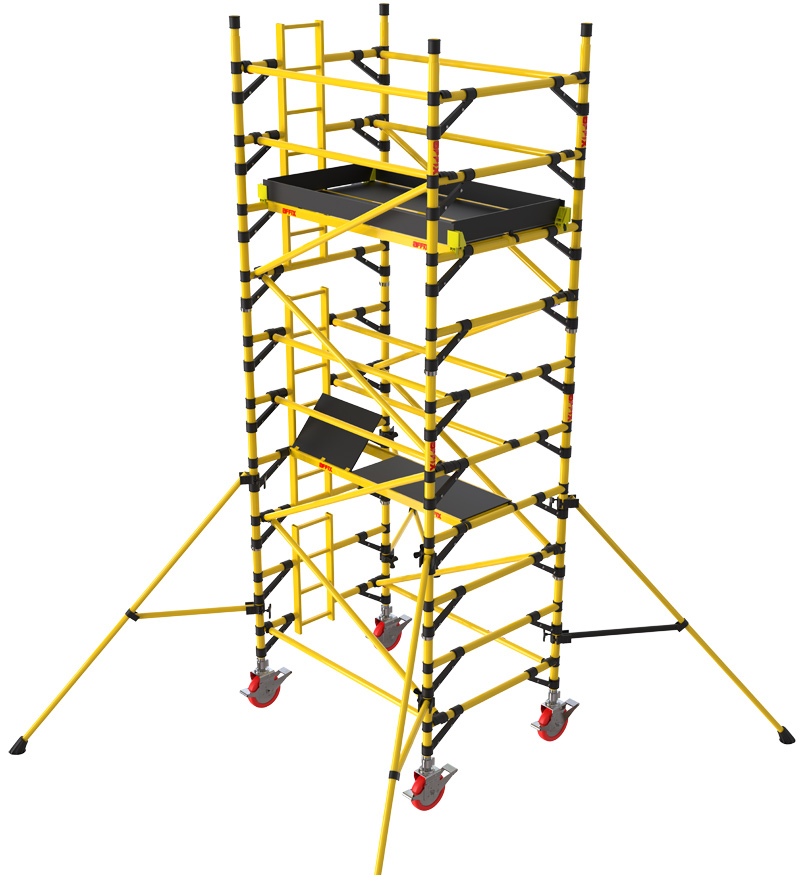
The Unique Demands of Food and Pharmaceutical Industries
Both the food and pharmaceutical sectors operate under strict hygiene and safety requirements. Production facilities in these industries must adhere to rigorous standards to prevent contamination, ensure product quality, and maintain worker safety. The choice of scaffolding directly impacts these goals.
Key industry-specific demands include:
-
Non-contamination – Any material used must not shed particles, corrode, or react with chemicals.
-
Easy sanitation – Surfaces must withstand frequent cleaning and sterilization processes.
-
Durability in harsh cleaning environments – The material must resist corrosion from cleaning agents, disinfectants, and high-pressure washes.
-
Non-conductivity – For safety in environments with sensitive electrical systems or equipment.
These operational realities create a unique set of requirements where FRP scaffolding excels.
What is FRP Scaffolding?
FRP, or Fiber Reinforced Plastic, is a composite material combining a polymer matrix with glass fibers for enhanced strength and durability. The result is a lightweight, non-corrosive, and high-performance material ideal for environments where both strength and hygiene are critical.
Unlike steel, FRP does not rust, and unlike aluminum, it offers higher resistance to chemical corrosion. It is inherently non-conductive, which is an additional safety feature in facilities with electrical equipment.
Why FRP Outperforms Traditional Scaffolding in Food and Pharma Facilities?
- Corrosion Resistance: Traditional scaffolding materials like steel can rust, especially when exposed to moisture, cleaning agents, or acidic environments. In contrast, FRP scaffolding resists corrosion even after prolonged exposure to harsh cleaning chemicals or saline environments.
- Non-Conductive Properties: Electrical hazards are a concern in many processing plants. FRP’s non-conductive nature greatly reduces the risk of electrical accidents, which is especially important in pharmaceutical facilities with sensitive lab equipment.
- Lightweight Yet Strong: FRP scaffolding is significantly lighter than steel, making it easier and faster to assemble, disassemble, and transport within a facility. Despite its light weight, it retains an impressive load-bearing capacity.
- Chemical Resistance: Food and pharmaceutical production often involves strong sanitizing agents like sodium hypochlorite, hydrogen peroxide, or specialized detergents. FRP maintains structural integrity even under repeated chemical exposure.
- Low Maintenance: Because it resists corrosion, FRP scaffolding requires minimal upkeep compared to steel, which needs regular painting, or aluminum, which can oxidize.
Compliance with Industry Standards
In food and pharmaceutical manufacturing, meeting hygiene and safety standards is not optional—it’s mandatory. FRP scaffolding supports compliance in several ways:
-
Meets GMP (Good Manufacturing Practices) requirements for materials in cleanroom or controlled environments.
-
Supports HACCP (Hazard Analysis and Critical Control Points) protocols by reducing contamination risks.
-
Complies with OSHA safety standards for safe scaffolding use.
FRP Scaffolding in Food Industry Settings
The food industry requires scaffolding that will not compromise the safety of consumable products. This includes environments such as:
-
Dairy processing plants
-
Beverage bottling facilities
-
Meat and poultry processing units
-
Packaged food manufacturing
Benefits in food facilities:
-
Can be steam cleaned without damage
-
Does not react with food-grade cleaning chemicals
-
No risk of metallic contamination in food products
FRP Scaffolding in Pharmaceutical Applications
Pharmaceutical production environments are even more sensitive to contamination risks. Cleanrooms, laboratories, and manufacturing zones require materials that can withstand repeated sanitization without degrading.
Advantages in pharma facilities:
-
Non-porous surface resists bacterial growth
-
Easy to wipe and sanitize between shifts
-
Maintains mechanical integrity in sterile environments
-
Supports sterile maintenance operations without introducing foreign particles
Key Advantages of FRP Scaffolding
Here’s a clear look at why FRP scaffolding is leading in the food and pharmaceutical sectors:
-
Corrosion-proof – Withstands cleaning agents and moisture without rusting.
-
Non-conductive – Enhances electrical safety in sensitive environments.
-
Lightweight – Easier to transport, assemble, and dismantle.
-
High strength – Supports heavy loads while being lighter than steel.
-
Chemical resistant – Handles harsh sanitizers without structural damage.
-
Low maintenance – No repainting, rust removal, or special upkeep.
-
Hygienic – Smooth, non-porous surfaces prevent microbial growth.
Cost Efficiency in the Long Run
While the initial cost of FRP scaffolding may be higher than steel or aluminum alternatives, its long-term value is undeniable. With minimal maintenance, longer service life, and reduced downtime for cleaning, FRP scaffolding often results in lower total ownership costs.
Companies avoid frequent replacements, repainting, and expensive repairs. Additionally, its lightweight nature reduces labor costs during assembly and disassembly.
Safety Benefits for Workers
Worker safety is a top priority in any industrial setting. FRP scaffolding offers:
-
Slip-resistant surfaces for better footing
-
Reduced risk of electrical shock
-
Lightweight components that lower the risk of lifting injuries
-
Stability and strength for working at height with confidence
Environmental Impact and Sustainability
FRP scaffolding contributes to sustainable operations by:
-
Lasting longer, which reduces material waste
-
Requiring fewer replacements, lowering manufacturing impact
-
Being recyclable in specialized facilities
For companies with sustainability targets, choosing FRP scaffolding supports both operational and environmental goals.
Maintenance Practices for FRP Scaffolding
While FRP scaffolding requires far less maintenance than traditional materials, some best practices ensure its longevity:
-
Regular visual inspections for cracks or damage
-
Gentle cleaning with non-abrasive tools
-
Proper storage to avoid unnecessary exposure to extreme conditions
How FRP Transforms Facility Operations?
Consider a beverage manufacturing plant in Saudi Arabia transitioning from steel to FRP scaffolding. After six months of use:
-
Cleaning times reduced by 30% due to easier sanitization.
-
Corrosion-related downtime was eliminated.
-
Worker satisfaction improved thanks to lighter handling.
-
Overall maintenance costs dropped significantly.
This mirrors the experience of many food and pharmaceutical companies adopting FRP solutions.
Why Choose Affix Gulf Scaffolding Manufacturing LLC?
When quality, compliance, and reliability matter, Affix Gulf Scaffolding Manufacturing LLC delivers solutions built specifically for the unique demands of the food and pharmaceutical industries. Our FRP scaffolding systems are engineered for maximum durability, safety, and hygiene, ensuring your facility meets the highest operational standards. We focus on:
-
Supplying scaffolding built with premium-grade FRP materials
-
Providing designs that meet strict hygiene and safety requirements
-
Offering reliable delivery and support across Saudi Arabia
-
Ensuring every product meets international safety and quality benchmarks
With Affix Gulf Scaffolding Manufacturing LLC, you’re choosing a partner committed to the highest levels of safety, hygiene, and operational efficiency.