
Why Homeowners in Denver County Are Switching to Spray Foam
Homeowners in Denver County are increasingly replacing traditional insulation materials with spray foam due to its superior energy efficiency, air-sealing capabilities, and long-term savings. With Denver’s variable weather, ranging from hot summers to cold winters and dry air, the limitations of older insulation materials like fiberglass and cellulose have become evident. Spray foam solves these issues by forming an airtight, moisture-resistant barrier that not only provides better insulation but also contributes to reducing energy costs over time.
Spray foam has become a popular choice for those looking to improve their home’s energy efficiency and create a more comfortable living environment. This article will explore why so many homeowners in Denver County are making the switch to spray foam insulation, compare it to other common types of insulation, and provide the technical details and considerations homeowners should be aware of before making the transition.
Performance Comparison by Insulation Type
When comparing spray foam insulation to other common types such as fiberglass and cellulose, there are notable differences in key areas such as R-value, air sealing ability, moisture resistance, and lifespan. Below is a breakdown of these critical features.
|
Feature |
Spray Foam (Closed Cell) |
Fiberglass Batts |
Cellulose |
|
R-Value per Inch |
6.0–7.0 |
2.9–3.8 |
3.2–3.8 |
|
Air Sealing Capability |
Excellent (Airtight Seal) |
Poor |
Moderate |
|
Moisture Resistance |
High |
Low |
Moderate |
|
Lifespan |
30–50 years |
10–25 years |
20–30 years |
|
Mold/Mildew Resistance |
High |
Low |
Moderate |
|
Installation Surface Types |
Any (walls, attics, etc.) |
Flat/open surfaces |
Enclosed cavities |
|
Initial Cost |
High |
Low |
Moderate |
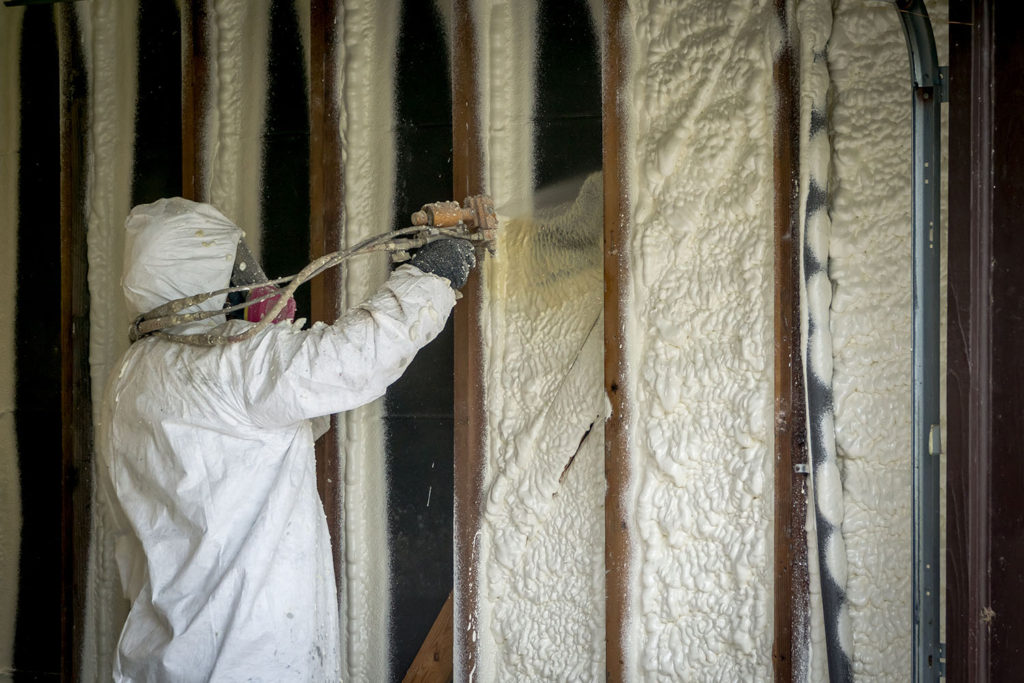
Understanding the Performance Differences
Spray foam insulation delivers superior thermal protection by forming a seamless layer that fills every gap and crack, unlike traditional insulation materials. This creates an airtight seal, significantly reducing air leakage and moisture infiltration. The high R-value per inch ensures that spray foam provides more effective insulation than fiberglass or cellulose, which require thicker layers to achieve similar levels of thermal protection. In homes where energy efficiency and comfort are a priority, spray foam offers a clear advantage.
Energy and Air Efficiency Gains
In addition to its superior thermal resistance, spray foam insulation offers excellent air sealing properties. By expanding upon application, spray foam fills small cracks, seams, and gaps, preventing drafts and minimizing heat loss. In Denver County, where temperatures can fluctuate drastically between summer and winter, effective insulation is crucial for maintaining a comfortable indoor environment without excessive energy use. Without proper insulation, HVAC systems have to work harder to maintain the desired temperature, leading to higher energy consumption and increased utility bills.
Spray foam’s ability to form an airtight seal also reduces the risk of moisture accumulation in areas like attics and crawl spaces, preventing mold growth and enhancing indoor air quality. With energy costs rising and environmental concerns growing, homeowners are becoming more conscious of the long-term benefits of energy-efficient solutions like spray foam.
Bonus Tip: Homeowners can reduce their monthly energy bills by up to 30% after spray foam installation, especially when combined with air sealing and other energy-efficient upgrades.
How Does Spray Foam Compare to Other Insulation Materials?
Spray foam has several benefits over fiberglass and cellulose insulation when it comes to energy efficiency and durability. Here’s a closer look at these comparisons:
|
Property |
Closed Cell Spray Foam |
Fiberglass Insulation |
Cellulose Insulation |
|
Airflow Resistance |
Blocks air leaks completely |
Does not block airflow completely |
Blocks some airflow |
|
Moisture Resistance |
Excellent moisture barrier |
Absorbs water easily |
Absorbs water and loses insulating properties |
|
Energy Efficiency |
Higher energy savings |
Lower energy savings |
Moderate energy savings |
|
Installation Complexity |
Requires professional installation |
Easy DIY options |
Easy DIY options |

Technical Details and Properties
For those interested in the specifics, the properties of closed-cell spray foam are impressive. This material is not only effective at insulation but also adds structural integrity to the building envelope. Below is a quick reference table that outlines some key technical details about closed-cell spray foam.
|
Property |
Closed Cell Spray Foam |
|
Density |
1.7 to 2.0 lbs/ft³ |
|
Perm Rating (Moisture) |
< 1 (vapor barrier) |
|
Expansion Ratio |
Up to 30:1 |
|
Application Temperature |
40°F to 120°F |
|
Curing Time |
8 to 24 hours |
|
R-Value per Inch |
6.5 (avg.) |
Market Trends in Denver County
In recent years, the demand for spray foam insulation in Denver County has seen significant growth. According to local data, the adoption of spray foam has been particularly strong in both new construction and energy retrofits. Here are some of the latest trends:
- In 2024, over 41% of new residential construction permits in Denver County specified spray foam insulation.
- The demand for air-sealing solutions rose 18% year-over-year, particularly in older homes that are being retrofitted to improve energy efficiency.
- Increased energy code enforcement is driving more builders and contractors to adopt spray foam as a standard material in both new builds and renovations.
These trends suggest that homeowners are increasingly aware of the cost savings and environmental benefits that come with making the switch to spray foam insulation.
Things to Consider Before Making a Decision
While spray foam insulation offers several advantages, there are also important factors to keep in mind before making the switch. Here are a few things to consider:
- Budget: Spray foam comes with a higher upfront cost compared to fiberglass or cellulose insulation. However, the energy savings over time often outweigh the initial expense. Homeowners typically see a return on investment within 3 to 5 years.
- Existing Insulation: Spray foam cannot be installed over old, ineffective insulation. In many cases, old insulation must be removed before the foam can be applied.
- Ventilation Planning: Because closed-cell foam is so effective at air sealing, it’s important to ensure your home has proper ventilation to maintain indoor air quality.
- Climate Fit: Denver’s dry and fluctuating temperatures are ideal for spray foam, but it’s important to ensure that the foam is applied properly to avoid issues like shrinkage in extreme cold.
Bonus Tip: Conducting an energy audit before installation helps identify the most critical areas to address and maximizes the impact of spray foam.
Common Questions About Spray Foam in Denver County
- Does spray foam work in older homes?
Yes, spray foam is effective in both new construction and older homes. It can be particularly beneficial when retrofitting attics, crawl spaces, and rim joists, which are common problem areas in older homes. - Is spray foam safe?
Once cured, spray foam is completely inert and safe. However, proper installation requires personal protective equipment (PPE) and adequate ventilation to avoid exposure to fumes during the application process. - How long does it last?
Spray foam insulation can last up to 50 years without significant degradation, making it one of the most durable insulation options available. - Is spray foam environmentally friendly?
While spray foam is made from petrochemical products, many manufacturers are now using more eco-friendly blowing agents that have a low global warming potential (GWP). Additionally, the energy savings achieved with spray foam can help offset the environmental impact.
FAQ
How does spray foam affect resale value?
Homes with high-efficiency insulation, such as spray foam, tend to attract higher offers due to the perceived long-term savings on energy bills and the increased comfort of the home.
Can spray foam be installed in winter?
Yes, spray foam can be installed in colder weather, though special materials rated for low temperatures must be used to ensure proper application.
Will I need to vacate during installation?
Yes, typically for 24 to 48 hours. The curing process produces fumes that require time to dissipate, and it’s best to avoid exposure during this time.
Is spray foam noisy?
Spray foam helps dampen sound due to its dense structure, offering additional noise reduction benefits in homes, especially in urban environments.
Can I install spray foam myself?
While DIY kits are available, incorrect application can cause problems such as uneven coverage or damage to property. Professional installation is recommended for the best results.
Ready to Achieve Consistent Comfort and Energy Savings?
Are you ready to improve your home’s efficiency and comfort? Contact RIB Spray Foam to learn how spray foam insulation can significantly reduce heat loss and lower energy bills for homes in Denver County. Our team is experienced in providing tailored insulation solutions for every type of property, ensuring a high-quality, lasting result.
RIB Spray Foam is a trusted insulation contractor serving Denver County and surrounding areas. Specializing in residential spray foam applications for attics, walls, crawl spaces, and new constructions, RIB Spray Foam delivers long-term energy efficiency and enhanced climate control for homes of all sizes.
Contact:
RIB Spray Foam
Phone: (970) 645-8077
Email: [email protected]
Reviewer:
Grace Walker has been in the spray foam business for 9 years and provided suggestions that helped refine this article’s focus on brand development and simple, consistent marketing efforts.