
Why Insulation Helps Cut Down Noise in Bothell, Wa
Insulation effectively cuts down noise in homes by absorbing sound waves and creating a barrier that stops them from passing through walls, floors, and ceilings. As sound energy attempts to travel through an insulated structure, the insulation’s material properties either trap the vibrations or resist their transfer. Denser materials and those that completely fill a space, like spray foam, are particularly good at this because they leave no gaps for sound to sneak through. This makes insulation one of the most practical solutions for creating a quieter home environment. Homeowners looking to improve comfort and reduce unwanted noise can benefit greatly from professional insulation services in Bothell, WA, which provide expert installation and high-performance materials designed to enhance both energy efficiency and acoustic control.
For residents in growing communities like Bothell, where ambient noise from traffic, construction, and neighbors is common, understanding how to manage sound is a key part of home comfort. This article explains the science behind acoustic insulation and offers guidance for homeowners looking to reduce unwanted noise.
How Different Insulation Types Handle Sound
The primary job of thermal insulation is to slow the transfer of heat, but the same physical properties also make it great at slowing the transfer of sound. Sound travels in waves, and when these waves hit a wall, they cause it to vibrate. Insulation works by either absorbing these vibrations or by being so dense that it’s difficult to vibrate in the first place.
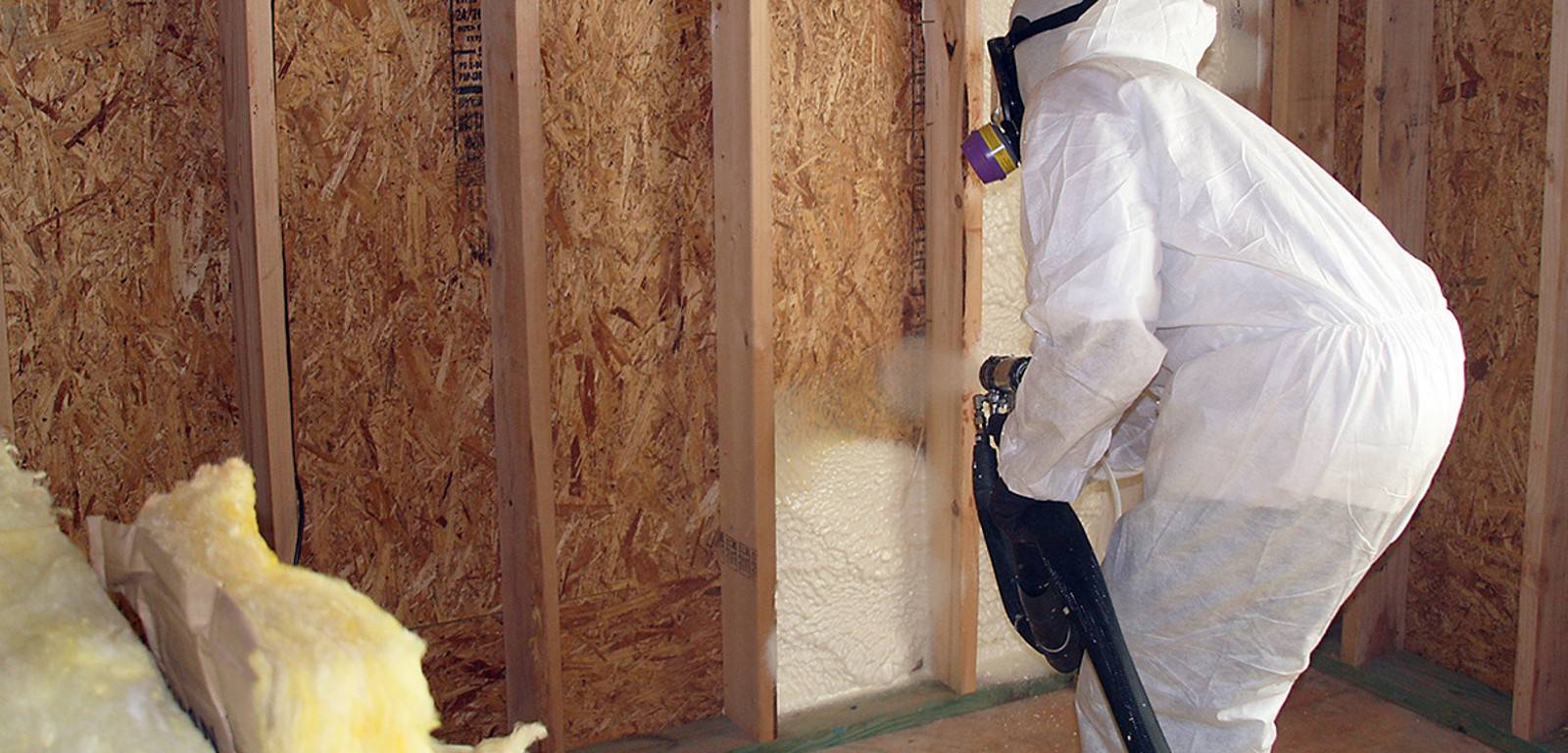
The Mechanics of Sound Dampening
There are two main ways insulation reduces noise:
- Sound Absorption: Materials with soft, porous, and irregular surfaces, like open-cell foam or cellulose, are excellent at absorbing sound. When sound waves enter these materials, they get trapped in the tiny pockets and fibers. The sound energy is converted into a very small amount of heat, effectively stopping the noise.
- Sound Blocking: Dense, heavy materials are good at blocking sound transmission. They create a physical barrier that reflects sound waves. Closed-cell spray foam, for example, forms a rigid, dense barrier within a wall cavity that resists vibration and stops noise from passing through to the other side.
A Comparison of Sound-Dampening Materials
Not all insulation materials are created equal when it comes to noise reduction. The structure and density of the material determine its effectiveness.
|
Insulation Type |
Sound Absorption |
Sound Blocking |
Key Advantage for Noise Control |
|---|---|---|---|
|
Open-Cell Spray Foam |
Excellent |
Good |
Expands to fill every gap, great for absorbing mid to high-frequency sounds like voices. |
|
Closed-Cell Spray Foam |
Good |
Excellent |
Its rigid, dense structure is highly effective at blocking low-frequency noise like traffic. |
|
Blown-In Cellulose |
Very Good |
Good |
Dense packing fills cavities well, and the paper fibers are naturally good at absorbing sound. |
|
Fiberglass Batts |
Fair |
Fair |
Provides some sound dampening, but gaps in installation can let sound pass through easily. |
Bonus Tip: For a home theater or music room, combining different materials can be very effective. Using a dense material like closed-cell spray foam in the walls and a more absorptive material on interior surfaces can help control both incoming and outgoing sound.
Common Noise Problems and Insulation Solutions in Bothell
Applying this information to a local setting, living in a busy suburb like Bothell means dealing with specific types of noise. Whether it’s the steady hum of traffic from I-405 or the sounds of a bustling neighborhood, insulation can be targeted to address the source.
Reducing Exterior Noise
The most common complaint is noise from outside the home. Traffic, lawnmowers, and barking dogs can all disrupt a peaceful environment.
- Target Areas: Exterior walls are the first line of defense. Insulating them properly is the most important step. Attics and crawl spaces are also common entry points for sound.
- Best Solution: Closed-cell spray foam is often the top choice for exterior walls because it provides a superior air and sound barrier. By sealing all the tiny cracks and gaps in the building envelope, it stops airborne sound in its tracks.
Quieting Your Home’s Interior
Noise doesn’t just come from outside. Plumbing, home entertainment systems, and general household activity can create noise that travels between rooms and floors.
- Target Areas: Interior walls around bathrooms, laundry rooms, home offices, and bedrooms are great candidates for acoustic insulation. Insulating the spaces between floors can also dramatically reduce impact noise, like footsteps.
- Best Solution: Open-cell spray foam or dense-pack cellulose are excellent choices for interior walls. They are extremely effective at absorbing the frequencies of common household sounds.
Bonus Tip: When insulating between floors, pay special attention to sealing around ductwork, pipes, and electrical wiring. These penetrations are common pathways for sound to travel between levels of a home.
Things to Consider Before Making a Decision
Before investing in an insulation project for sound control, homeowners should evaluate their specific needs to choose the most effective strategy.
Identifying the Type of Noise
Is the noise you’re trying to block high-pitched, like voices, or low-frequency, like the rumble of a truck? Different materials excel at managing different frequencies.
- High-Frequency Sounds: These are easier to absorb. Materials like open-cell foam or cellulose work very well.
- Low-Frequency Sounds: These are harder to block and require dense, heavy materials. Closed-cell spray foam or specialized soundproofing products are more effective against these sounds.
Understanding STC Ratings
Sound Transmission Class (STC) is a rating of how well a building partition reduces airborne sound. A higher STC rating means better sound insulation. A standard uninsulated interior wall might have an STC of 30-35. By properly insulating that same wall, the STC rating can be increased to 50 or higher, which makes loud speech on the other side mostly inaudible.

The Role of Air Gaps
Sound travels through air. If there are any gaps or cracks in a wall, sound will find them. This is why materials that provide a complete air seal, like spray foam, are so effective for sound control. Even a 1% gap in the insulation coverage can result in a 10% or greater reduction in its sound-blocking performance.
Frequently Asked Questions About Acoustic Insulation
Can I add sound-dampening insulation to my existing walls?
Yes, it’s possible to add insulation to existing walls. Blown-in insulation, like cellulose or certain types of spray foam, can be installed through small holes drilled in the drywall. This is a much less invasive process than tearing down the walls.
Will acoustic insulation also improve my home’s energy efficiency?
Absolutely. All acoustic insulation materials are also excellent thermal insulators. When you insulate for noise control, you will also see a significant improvement in your home’s ability to maintain a comfortable temperature, which can lower your energy bills.
Which is better for soundproofing: open-cell or closed-cell spray foam?
It depends on the goal. Open-cell foam is generally better at absorbing sound, making it ideal for reducing echo and noise within a room or between rooms. Closed-cell foam is denser and better at blocking sound from passing through a wall, making it a great choice for exterior walls to block traffic noise.
Is soundproofing insulation a DIY project?
While installing fiberglass batts can be a DIY job, achieving effective sound control often requires professional installation. Materials like spray foam and dense-pack cellulose require specialized equipment and expertise to ensure there are no gaps.
Does adding insulation to the ceiling help with noise from upstairs?
Yes, insulating the ceiling is a very effective way to reduce both airborne noise (like voices or a TV) and impact noise (like footsteps) from the floor above. For best results, this is often combined with other techniques like using resilient channels to decouple the drywall from the ceiling joists.
Finding the Right Sound Control Solution
Creating a quieter home in Bothell starts with understanding the source of the noise and choosing the right materials to address it. While this guide provides a solid foundation, the technical details involved mean that getting professional advice can make a big difference. For homeowners in the Seattle area, the experts at Cascadia Spray Foam Insulation of Seattle can offer tailored recommendations. They can assess a home’s specific acoustic challenges and suggest the most effective insulation strategy. For a consultation, they can be contacted at (425) 386-3500 or by email at [email protected].
Reviewer: Olivia Thompson has spent 10 years working in spray foam insulation, helping companies grow their visibility. She reviewed this article and provided valuable suggestions on how to better align the content with the needs and expectations of customers, ensuring it resonates with the target audience.