
Why Plainfield, IL Homeowners Invest in Spray Foam Services
Spray foam services have become a preferred solution for improving home energy efficiency and indoor comfort in Plainfield, IL. Seasonal temperature swings, rising utility costs, and outdated insulation systems are driving both homeowners and commercial property owners to explore long-term, performance-focused upgrades.
This article explains why spray foam is being adopted in more homes and buildings across the area. It covers application methods, performance outcomes, and practical value comparisons.
Why Homeowners Choose Spray Foam Services in Plainfield
Residents are prioritizing home performance, energy savings, and comfort. Spray foam services in Plainfield, IL delivers results in all three areas through targeted installation strategies and measurable outcomes.
Year-Round Comfort Improvement
Spray foam helps maintain consistent temperatures in living spaces by reducing heat loss in winter and heat gain in summer. This insulation method supports uniform climate control across every room.
Long-Term Energy Savings
High R-values and strong air sealing reduce the load on HVAC systems. This leads to lower monthly energy bills and less mechanical strain over time.
Air Seal Solutions for Draft-Free Living
By sealing gaps around framing, plumbing, and electrical openings, spray foam stops air from leaking in or out of the home. This contributes to better indoor air control and fewer uncomfortable drafts.
Key Areas Where Spray Foam Makes the Most Impact
The location of spray foam installation plays a critical role in its effectiveness. Each zone of a building presents different insulation needs and energy-saving potential.
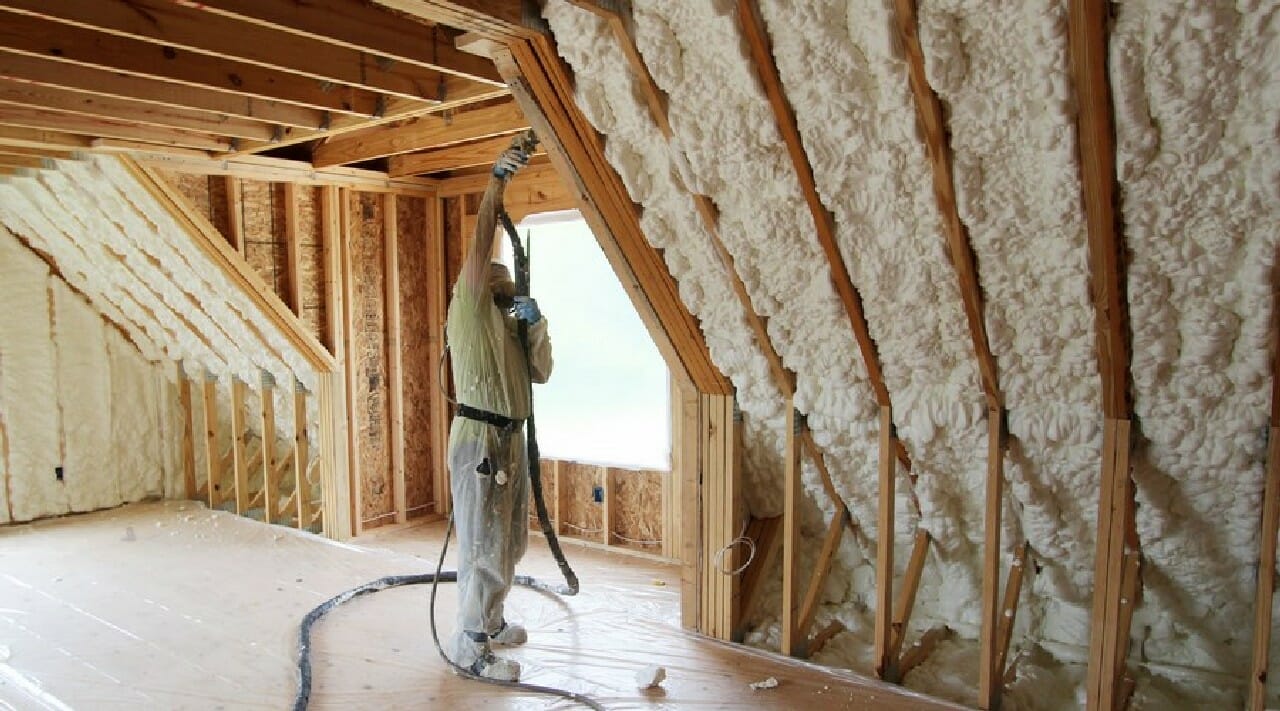
Attic Foam Options
- Roofline insulation: Closed-cell foam applied directly to the roof deck prevents heat buildup and supports HVAC units located in attic spaces.
- Floor-level insulation: Open-cell foam sprayed onto the attic floor helps contain conditioned air and improves ceiling comfort in the rooms below.
Wall Foam Insulation
- Interior walls benefit from spray foam’s sound-dampening properties and thermal protection.
- Exterior wall cavities receive a continuous insulation layer that reduces air infiltration and cold spots.
Crawl Space Foam Insulation
- Closed-cell foam strengthens crawl space walls and prevents ground moisture from entering the living space.
- Rim joists are common air leakage points that benefit from sealed, insulated coverage.
Foam Application Methods That Deliver Consistent Results
The success of residential spray foam services depends on correct product selection and proper application techniques. This section compares approaches based on building type and usage.
Open-Cell vs. Closed-Cell Foam
|
Foam Type |
Density |
R-Value per Inch |
Best Used For |
|
Open-Cell |
Low-density |
~3.7 |
Sound control, interior walls, vented attics |
|
Closed-Cell |
High-density |
~6.5 |
Crawl spaces, basements, unvented attics, rooflines |
New Construction vs. Existing Homes
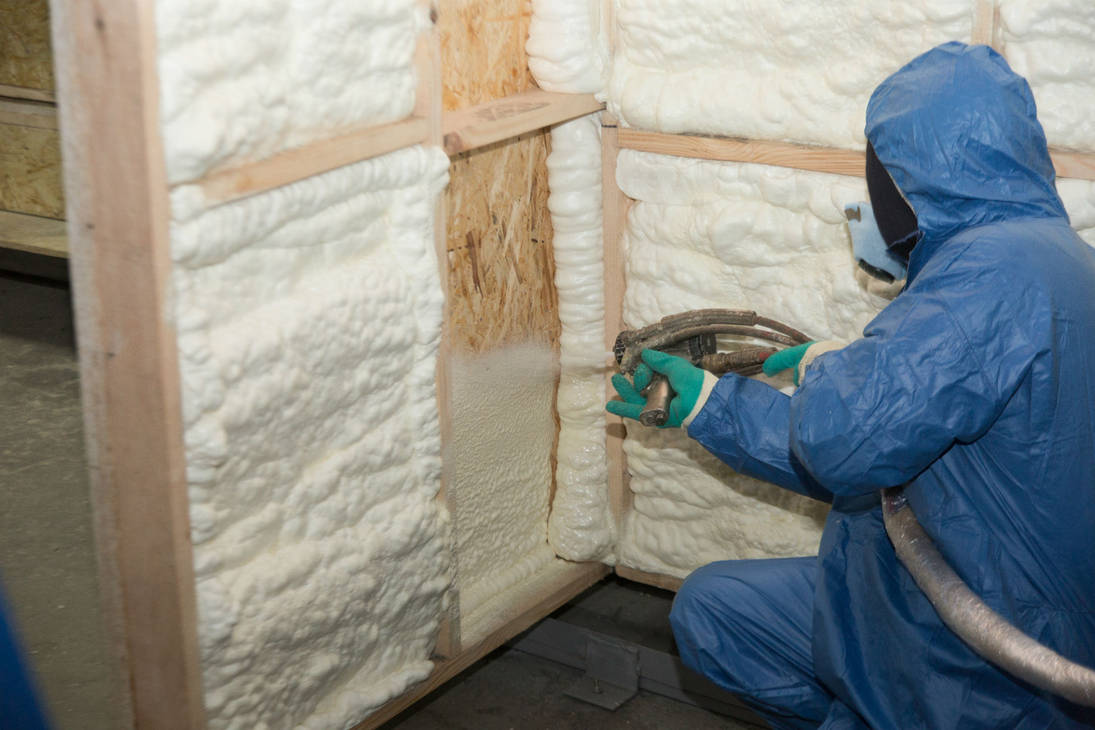
- New construction: Spray foam is applied directly into open wall cavities, roof decks, and rim joists before drywall is installed.
- Retrofits: Spray foam can be injected into closed wall cavities or applied from within attics and crawl spaces to improve existing insulation systems.
Building Insulation Options Compared
Choosing between insulation types requires understanding performance, installation complexity, and lifespan. Below is a comparison between spray foam and other common materials.
Spray Foam vs. Fiberglass
- Spray foam outperforms fiberglass in air sealing and moisture resistance.
- Fiberglass may degrade over time or settle, while spray foam adheres to surfaces and remains intact.
Spray Foam vs. Cellulose
- Cellulose is often used in blown-in attic applications but can absorb moisture and compress.
- Spray foam resists water and maintains its shape and performance.
Spray Foam vs. Rigid Foam Boards
- Rigid boards require cutting and sealing joints manually.
- Spray foam conforms to all shapes and seals without extra steps.
Spray Foam Benefits That Add Property Value
The choice to invest in spray foam services supports broader improvements in building performance and occupant satisfaction.
Consistent Room Temperatures
Rooms that used to feel too hot or cold become more stable with improved insulation coverage and air sealing.
Moisture Control
Spray foam’s closed-cell structure acts as a vapor barrier, reducing mold risk in basements and crawl spaces.
Extended Equipment Life
Less demand on HVAC systems leads to fewer repairs and longer equipment lifespan.
Better Sound Reduction
Open-cell spray foam helps quiet interior spaces by absorbing airborne sound between rooms and floors.
Common Questions About Spray Foam Services
Is spray foam suitable for humid summers and cold winters in Plainfield, IL? Yes. Closed-cell foam blocks moisture while delivering high thermal resistance, and open-cell foam supports air control in warmer months. Together, they handle the region’s seasonal extremes effectively.
Can spray foam insulation be used in brick or older homes? Yes. Spray foam can be applied to the interior side of masonry walls or injected into framed wall cavities behind plaster or drywall. It adapts well to uneven or non-standard framing.
Does spray foam support indoor air quality? Yes. By sealing out pollutants and allergens from entering through wall or roof gaps, spray foam contributes to healthier indoor environments. Once cured, it is chemically stable and inert.
How long does spray foam insulation perform? Spray foam is built to last for the lifetime of the structure. It does not degrade, sag, or shift once properly installed and cured.
Is there a risk of over-insulating or sealing too tightly? No. Proper installation includes balanced ventilation planning. When used with mechanical ventilation systems, spray foam supports both energy efficiency and indoor air exchange.
Ready to Achieve Energy-Efficient Indoor Performance?
Spray foam services give property owners in Plainfield, IL a reliable way to reduce energy use, improve indoor comfort, and support long-term structural performance. South Chicago Insulation provides high-quality spray foam solutions for attics, crawl spaces, and wall systems. Each project is approached with precision and proven field methods. Call (779) 803-8025 or email [email protected] to plan your building’s insulation upgrade.
Author
Bob Gasca attended his first spray foam training in 2007 and has continued to pursue yearly training to stay current with the latest technology and practices. He is a certified Spray Foam Master Installer through the SPFA and a member of the SPFA. Additionally, Bob serves as a Spray Foam Worldwide Ambassador, sharing information with spray foam professionals globally. Recently, he returned from a building science training, where he expanded his knowledge on how weather conditions affect home performance, helping him better diagnose and improve home health for families. Bob specializes in finding solutions to complex moisture and air infiltration issues.
Reviewer
Noah Gonzalez reviewed this article and drew on 9 years of experience to offer suggestions that make the guidance more directly useful for insulation contractors.