
Can a RazorGage Positioner Lower Labor Costs Effectively?
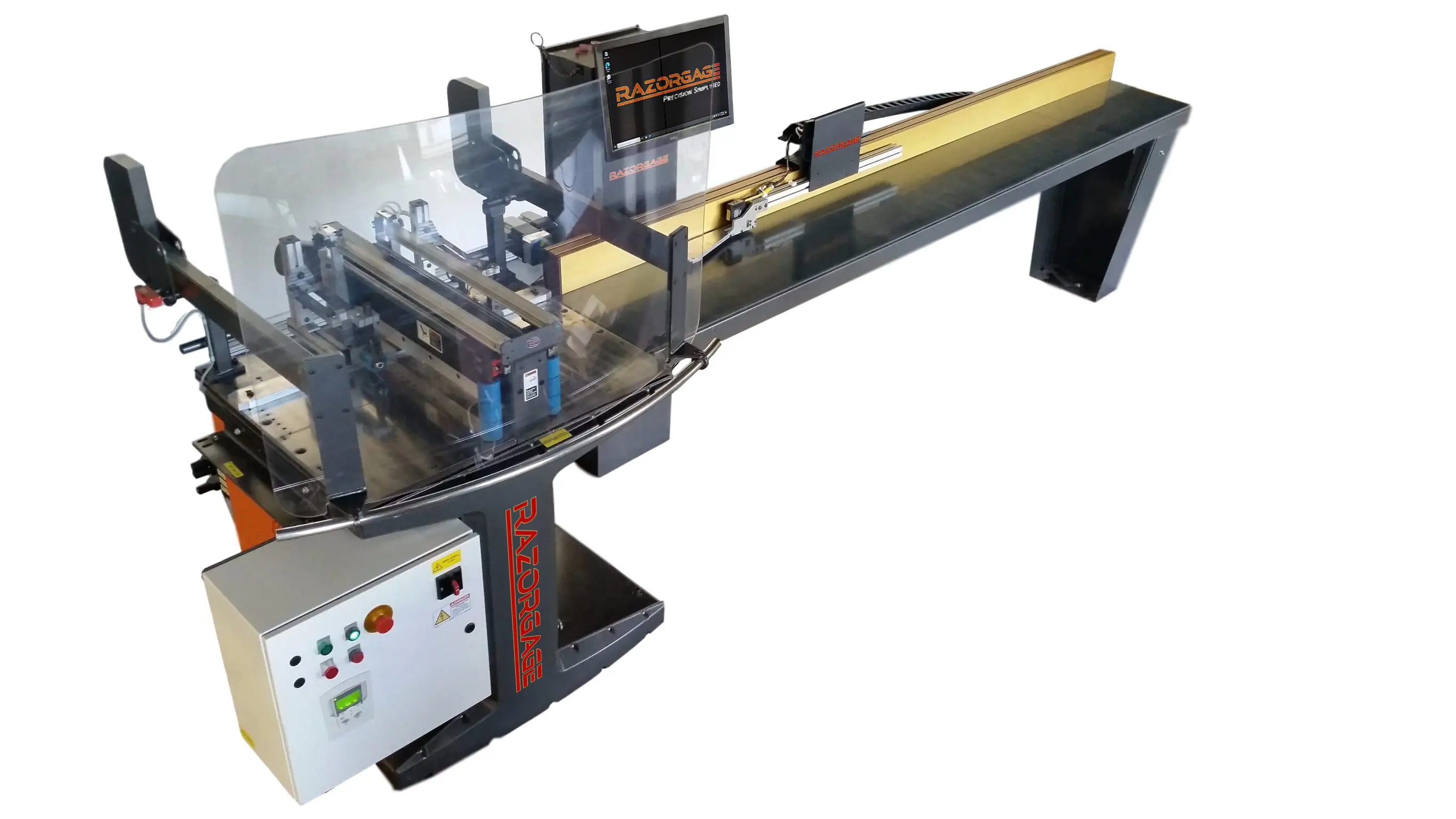
In the manufacturing and woodworking diligence, perfection and effectiveness are two critical factors that directly impact profitability. A RazorGage Positioner is frequently mentioned as a result for streamlining operations while potentially lowering labor costs. Companies that calculate on repetitive slice, measuring, and product tasks are always seeking tools that reduce time and labor expenditure without immolating quality. The central question becomes whether such a system truly delivers measurable reductions in pool costs while maintaining or indeed perfecting productivity.
The Link Between Automation and Labor Savings
Automation has become the foundation of ultramodern products. By integrating technology into slices and measuring processes, manufacturers can reduce reliance on homemade labor while achieving harmonious results. A positioner allows drivers to work briskly with smaller miscalculations, minimizing the need for a fresh labor force to oversee quality or correct crimes. Over time, this translates into smaller hours spent per design, performing in direct labor savings. The reduction in time- consuming tasks that formerly needed professed labor creates space for workers to concentrate on advanced- position liabilities rather than repetitious work.
Delicacy as a Cost- Saving Medium
Mortal error is one of the most common sources of waste in manufacturing. Indeed a small measuring mistake can lead to material loss, rework, and fresh labor costs. Situating technology ensures measures are precise down to fragments of a millimeter, significantly reducing miscalculations. While this enhancement in delicacy appears to be about material savings, it also directly ties into labor costs. Each avoided mistake represents hours saved from redoing a design, recalibrating outfit, or remanufacturing corridor. When multiplied over hundreds or thousands of cuts, the cost reduction becomes substantial.
Reduced Training Conditions
One challenge businesses face with labor is the investment of time and coffers demanded to train new workers. Traditional homemade measuring and slice bear a strong skill set, frequently acquired only after significant practice. Positioning systems simplify this process by making operations more intuitive and less reliant on times of experience. As a result, training time for new hires is drastically reduced. This advantage lowers the costs associated with onboarding and decreases the need for largely technical labor. Workers can come productively, which reduces time-out and accelerates product cycles.
Productivity Earnings from Streamlined Processes
Labor costs are n’t always about stipend; they’re frequently tied to how important an affair can be achieved per hour worked. Positioning systems streamline cutting processes, reducing the time it takes for workers to complete their tasks. Rather than manually conforming, measuring, and vindicating confines, drivers can calculate on the automated system to handle these ways in seconds. This effectiveness means the same number of workers can produce further affair within the same timeframe, effectively lowering labor costs per unit produced. When productivity rises without a commensurable increase in labor, cost effectiveness improves significantly.
Dropped Dependence on Skilled Labor
Certain manufacturing operations bear largely professed sloggers able to make precise measures and cuts constantly. professed labor tends to be more precious, and counting heavily on it can raise functional costs. A RazorGage Positioner reduces dependence on similar workers by furnishing delicacy and repetition through Automation. This does n’t exclude the need for professed labor entirely but allows companies to redistribute liabilities so that smaller, more expensive hours are spent on tasks that can be automated. The result is a more balanced pool with smaller high- pay envelope workers devoted to repetitious processes.
Enhanced Safety and Lower Threat Costs
Labor costs extend beyond stipend and training; they also include charges related to plant injuries. Homemade measuring and cutting increase the threat of accidents, particularly when workers are fatigued or rushing to meet deadlines. Automated positioning reduces the physical running needed for accoutrements and tools, lowering the liability of injury. A safer plant not only protects workers but also reduces costs tied to medical care, compensation, and time-out. Over time, these circular labor cost savings can add up, contributing to the overall effectiveness of the system.
Thickness Across Shifts and Brigades
In surroundings with multiple shifts or large brigades, maintaining harmonious quality and productivity is a challenge. Different workers may work at varying pets and skill situations, leading to inconsistencies that affect both material use and labor hours. Positioning systems exclude the importance of this variability by homogenizing measures and processes across drivers. With thickness erected into product, businesses avoid spending redundant labor hours correcting variations or training multiple workers to achieve the same results. This uniformity leads to a smoother workflow and lower overall labor costs.
Long- Term Cost effectiveness and ROI
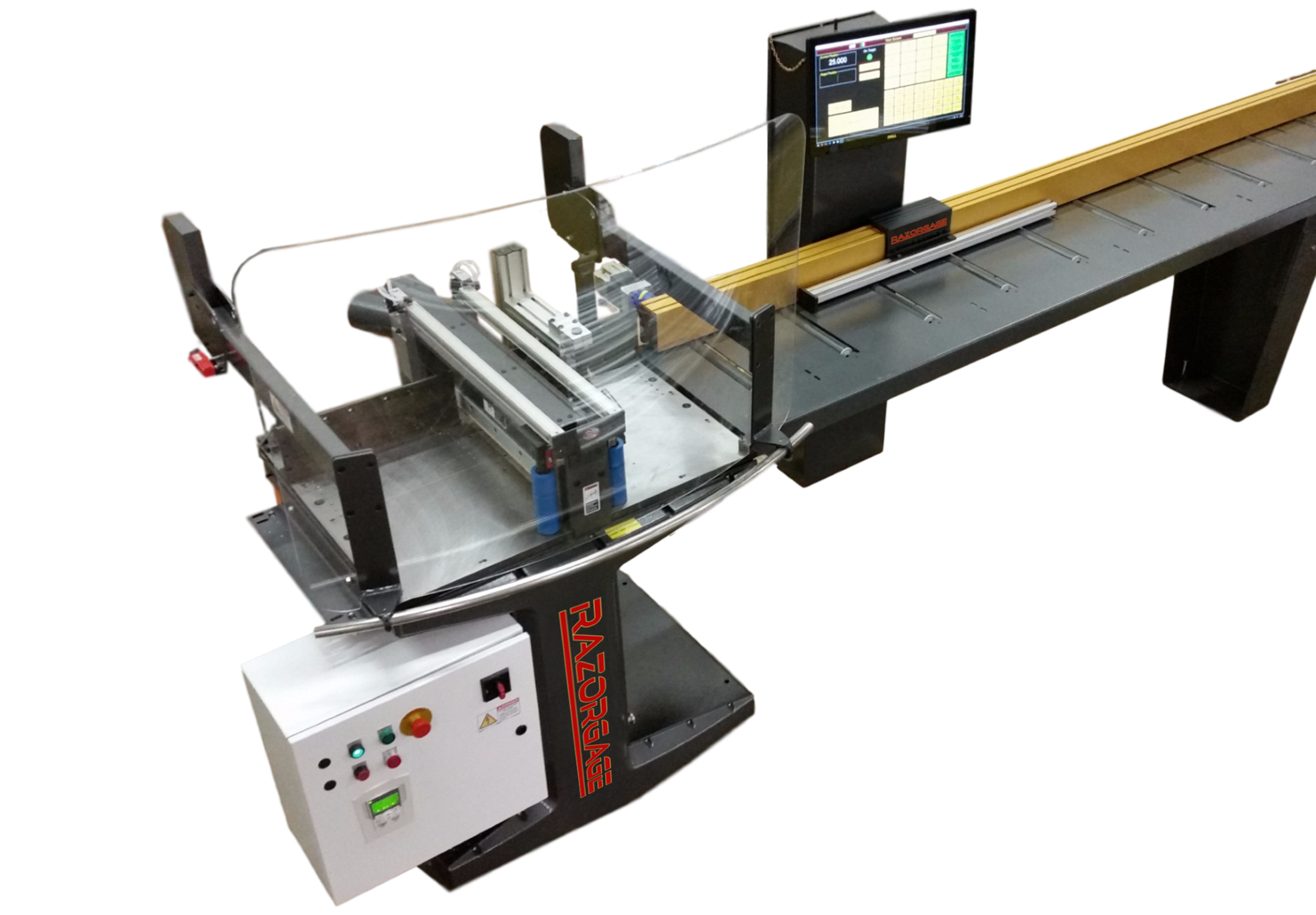
The original investment in Automation can feel significant, but the long- term savings frequently overweigh the outspoken expenditure. Labor costs are one of the most substantial recreating charges for manufacturing companies, so any tool that reduces these costs constantly over time delivers a strong return on investment. Positioners give benefits not only in day- to- day effectiveness but also in scalability. As product demands grow, labor costs do n’t rise proportionally because the system absorbs much of the fresh workload. This scalability ensures sustainable cost operation over the long term.
Integration with Broader Manufacturing Strategies
Labor savings can not be examined in insulation. To completely understand the effectiveness of a positioning system, it must be considered as part of a broader functional strategy. When combined with spare manufacturing principles, material optimization, and advanced planning, the benefits multiply. Labor costs fall not just because individual tasks take lower time, but because the entire product line becomes more effective. This integration reinforces the idea that cost reductions are most important when technology and strategy work together rather than performing singly.
Conclusion
Lowering labor costs is a multifaceted challenge that requires perfection, thickness, and effectiveness. A RazorGage Positioner addresses these requirements by reducing mortal error, minimizing training conditions, enhancing productivity, and dwindling reliance on expensive professed labor. While the outspoken cost may appear high, the long- term benefits in labor effectiveness and plant safety make it a compelling result for numerous manufacturing operations. When incorporated into a comprehensive product strategy, it helps businesses achieve lasting cost savings and better workflow. Eventually, success in reducing labor costs relies on espousing smarter styles, and one of the most effective approaches lies in Optimizing saws to align with ultramodern effectiveness norms.