How does immediate fire mitigation prevent permanent smoke and soot damage?
Immediate fire mitigation is the key to preventing permanent smoke and soot damage because it takes place within a critical 24 to 48-hour window. After a fire is extinguished, the acidic soot and smoke residue left behind begin to corrode, etch, and stain surfaces. A rapid response from professionals fire mitigation can neutralize and remove these residues before the damage becomes irreversible.
This quick intervention halts the destructive chemical process, saving materials that would otherwise be a total loss. Understanding the chemistry of fire damage shows why every moment counts in preventing a manageable cleanup from turning into a permanent problem.
The Corrosive Nature of Smoke and Soot
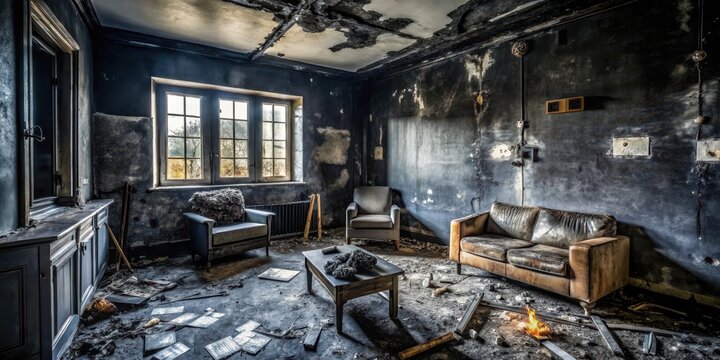
The primary reason for urgency after a fire is the chemical nature of the residue. Soot is composed of tiny particles of carbon and other unburned materials. Depending on what burned (plastics, wood, textiles), this soot can be highly acidic.
When these acidic particles settle on surfaces, they begin a chemical reaction. When combined with the natural humidity in the air, this reaction accelerates, creating a corrosive film. This film can:
- Etch Glass and Metal: Within minutes to hours, soot can cause permanent pitting and tarnishing on metal fixtures like faucets and doorknobs. It can also lightly etch glass in windows and mirrors.
- Stain Porous Surfaces: Materials like stone countertops, grout, and unfinished wood can absorb the soot, leading to deep, permanent stains that cannot be removed with surface cleaning.
- Discolor Plastics and Vinyl: The chemicals in soot can cause plastics, vinyl flooring, and appliance casings to yellow and become brittle. This damage is often irreversible.
Immediate mitigation is focused on neutralizing these acids and removing the soot before these reactions can cause permanent harm.

The Timeline of Permanent Damage
Because these corrosive reactions happen so quickly, the damage from smoke and soot follows a predictable schedule. This timeline illustrates why every hour counts.
|
Time After Fire |
Potential Permanent Damage |
|---|---|
|
Minutes to Hours |
Plastics begin to yellow. Highly porous materials like marble and stone can be permanently stained. Metals start to tarnish. |
|
Hours to Days |
Grout in bathrooms and kitchens can be permanently stained. Finishes on wooden furniture and flooring can be damaged. Vinyl may need to be replaced. |
|
Days to Weeks |
Metals will begin to corrode and rust. Glass can be permanently etched. The cost of restoration increases significantly as more items become unsalvageable. |
Acting within the first 48 hours is widely recognized in the restoration industry as the key to minimizing permanent damage and reducing the overall cost of the claim.
Core Strategies of Immediate Fire Mitigation
A professional fire mitigation team’s first actions are all geared toward stopping this ongoing damage.
Air Quality Control
The first thing to arrive on site is often a series of air scrubbers. These machines are immediately set up to begin filtering the air. They use HEPA filters to capture airborne soot and smoke particles. This has two benefits: it starts to improve the indoor air quality, making the site safer to work in, and it prevents loose soot particles from settling back onto surfaces that have already been cleaned.
Soot Removal and Surface Cleaning
The cleaning process is methodical and material-specific. It is not as simple as wiping things down with a wet cloth. In fact, using water incorrectly can smear the soot and drive it deeper into porous surfaces, making the problem worse.
- Dry Cleaning: The first step is to remove the dry, loose soot. Professionals use specialized tools like chemical dry cleaning sponges, which are designed to lift soot off surfaces without smearing it. They also use HEPA-filtered vacuums to carefully remove soot from upholstery and carpets.
- Wet Cleaning: After the loose soot is gone, technicians use a variety of cleaning agents formulated for specific materials. An alkaline cleaner might be used to neutralize the acidic soot on a hard surface, while a different, milder cleaner would be used for finished wood.
- The type of smoke also determines the cleaning method. A hot, fast-burning fire creates a dry, powdery soot that is easier to clean, while a slow, smoldering fire (often from plastics) creates a wet, greasy soot that requires specialized solvents.
Odor Removal
Smoke odor is caused by microscopic particles that penetrate deep into porous materials like wood, drywall, and textiles. Simply cleaning the surfaces will not remove the smell. Immediate mitigation starts the deodorization process early. This can involve:
- Thermal Fogging: This process uses a heated solvent to create a fine mist that mimics the behavior of smoke, penetrating into the same spaces to neutralize the odor-causing particles.
- Ozone or Hydroxyl Generation: These are advanced deodorization techniques that use oxidizing gases to break down the smoke molecules and eliminate the odor. These are typically used after the initial cleaning is complete.
What Homeowners Should Avoid After a Fire
For homeowners, the moments after a fire can be chaotic. Knowing what to do, and what not to do, can make a huge difference.
Do Not Attempt to Clean It Yourself
The biggest mistake a homeowner can make is to start wiping down walls or washing soot-covered items. Without the proper training and chemicals, they are very likely to make the damage worse. Soot is often oily, and smearing it can turn a cleanable surface into an unsalvageable one.
Prioritize Safety
A fire-damaged structure can have hidden dangers, including a compromised structure, electrical hazards from wet wiring, and respiratory risks from inhaling soot. Do not re-enter the property until it has been declared safe by the fire department or a restoration professional.
- Bonus Tip: Limit movement in the home as much as possible. Walking around kicks up soot particles, grinding them into carpets and spreading them to other areas.
Common Questions About Smoke and Soot Damage
Is smoke and soot damage really permanent?
Yes, if it is not addressed quickly. The chemical reactions that cause etching, staining, and corrosion are irreversible once they have occurred. The goal of mitigation is to stop these reactions before they happen.
Can clothes and fabrics with smoke damage be saved?
Many can be, but it requires specialized cleaning. Professional restoration cleaners use specific detergents and deodorizing processes to remove soot and smoke odor from textiles. This is not something that can be done in a home washing machine.
What about the smoke smell in my HVAC system?
This is a major concern. The HVAC system can circulate smoke and soot throughout the entire house. A key part of the mitigation process is to have the ductwork professionally cleaned and deodorized to prevent it from re-contaminating the house later.
How long does the mitigation process take?
The initial mitigation to prevent permanent damage usually happens within the first few days. The full restoration and rebuilding process can take weeks or months, depending on the extent of the fire.
If something looks clean, is it safe?
Not necessarily. Soot particles are microscopic, and the acidic residue can be invisible. A surface can look clean but still be contaminated. Professional cleaning ensures that these invisible residues are neutralized and removed.
The Importance of a Rapid Professional Response
Ultimately, immediate fire mitigation is a race against time. Every hour that passes allows acidic soot to cause more permanent damage. Intervening quickly with the right techniques and equipment allows a professional service to halt the corrosive process, clean the air, and save a significant amount of a home’s structure and contents from being a total loss. This rapid response is the single most important factor in a successful recovery.
For homeowners who have experienced a fire, no matter how small, acting fast is the best way to protect their property. A certified fire restoration company like Prestige NW Restoration can provide the immediate response needed to prevent permanent damage. For an urgent assessment and mitigation services, their team can be reached 24/7 at (360) 334-3624 or by email at [email protected].
Reviewer: Matthew Moore brings over 15 years of experience in residential renovation marketing. The review provided helped shape this content to better connect with homeowners seeking reliable, high-quality restoration and home improvement services.