
How Mineral Wool Insulation Can Extend the Life of Your Building in Framingham, MA
Mineral wool insulation extends the lifespan of residential and commercial structures by providing superior moisture management, fire resistance, and dimensional stability compared to organic alternatives. Mineral Wool Insulation in Framingham, MA offers a reliable solution for properties exposed to moisture and seasonal temperature changes. Unlike fiberglass or cellulose, which can absorb water and degrade over time, mineral wool is hydrophobic and inorganic, meaning it repels liquid water and does not provide a food source for mold or pests. This resilience protects the wooden framework of a house from rot and decay, ensuring that the structural integrity remains intact over time.
For homeowners in Framingham, preserving a property requires protecting it from high summer humidity and freezing winter dampness. Building science experts recognize that insulation serves as more than just a thermal blanket; it acts as a protective layer for the building envelope. By selecting a material that drains water effectively and withstands extreme heat, property owners actively prevent the common causes of structural failure, such as dry rot in rim joists and moisture entrapment in wall cavities.
How Mineral Wool Stays Durable Over Time
Understanding why mineral wool lasts longer involves examining its geological origins and manufacturing process. The material is created by spinning molten rock and steel slag into fine fibers, resulting in a product that shares the durability of stone rather than the fragility of glass or paper. This unique composition endows it with physical properties that enable it to withstand conditions that would destroy other types of insulation.
Hydrophobic Properties and Moisture Control
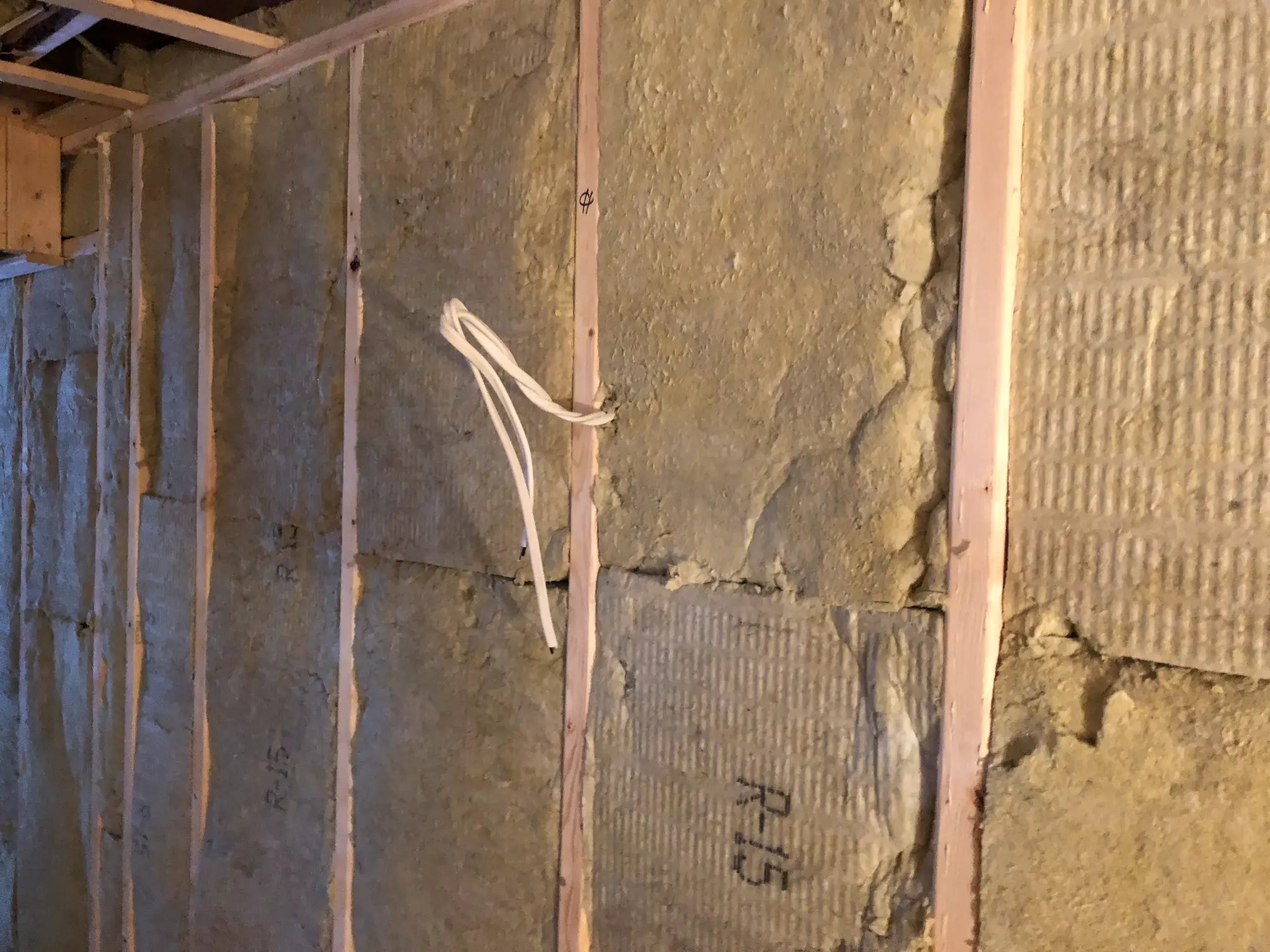
Water is the primary enemy of any wood-framed building, leading to expensive repairs if leaks or condensation occur within the walls. Mineral wool is naturally hydrophobic, which means it repels water at a molecular level instead of soaking it up like a sponge.
- Water beads up on the surface of the batting.
- The material maintains its R-value even if it gets temporarily wet.
- It allows water vapor to pass through, facilitating drying.
Preventing Wood Rot and Mold
When insulation holds moisture against wooden studs, it creates the perfect environment for fungi to digest the cellulose in the wood, leading to structural rot. Mineral wool quickly drains bulk water, allowing the framing to dry out before damage occurs. This is particularly beneficial in older Framingham homes where the vapor drive can shift dramatically between seasons.
Bonus Tip
Inspect the basement rim joists annually for signs of moisture. This area is critical for structural support and is a prime candidate for mineral wool installation due to its resistance to damp concrete environments.
Density and Airflow Reduction
The high density of mineral wool friction-fits into stud bays without the need for staples, reducing the chance of gaps that allow air to carry moisture into the walls. This tight fit acts as a secondary defense against airborne humidity.
Protecting Framingham Homes from Climate Stress
The local climate places significant stress on building materials through frequent freeze-thaw cycles and heavy precipitation. Insulation must be able to expand and contract with the building without losing its shape or effectiveness. Mineral wool remains dimensionally stable, meaning it does not slump or settle in the wall cavity over decades of service.
Fire Resistance for Structural Safety
One of the most profound ways mineral wool extends building life is by delaying structural collapse during a fire event. The material is non-combustible and can withstand temperatures exceeding 1,000 degrees Fahrenheit without melting or releasing toxic smoke.
- It acts as a firestop in wall cavities.
- The material protects load-bearing columns from heat damage.
- It buys valuable time for fire services to save the building.
Impact on Historic Renovations
Framingham possesses many historic properties constructed with balloon framing, which allows fire to travel quickly from the basement to the attic. Installing mineral wool acts as a fire block between floors, bringing these older structures closer to modern safety standards without altering their historic character.
Comparing Insulation Longevity Factors
Selecting the proper insulation is an investment in the property’s future viability. The table below compares how mineral wool stacks up against other common materials regarding factors that influence building longevity.
|
Feature |
Mineral Wool |
Fiberglass Batts |
Cellulose |
|---|---|---|---|
|
Moisture Response |
Repels water, drains freely |
Absorbs water, sags |
Absorbs water, mats down |
|
Mold Risk |
Low (Inorganic) |
Moderate (Paper backing) |
Moderate (Organic fibers) |
|
Fire Rating |
Non-Combustible |
Non-Combustible (melts) |
Treated (can smolder) |
|
Settling over Time |
Negligible |
Moderate |
High |
|
Pest Resistance |
High (Not a food source) |
Low (Nesting material) |
Low (Nesting material) |
|
Structural Protection |
High |
Low |
Low |
Things to Consider Before Making a Decision
While the benefits of mineral wool are clear, property owners must evaluate the specific needs of their project and budget. The material is heavier and denser than fiberglass, which can make it more challenging to install in overhead applications or odd-shaped attic spaces. Furthermore, the cost per square foot is typically higher, necessitating a calculation of long-term protection versus upfront expense.
Installation Complexity
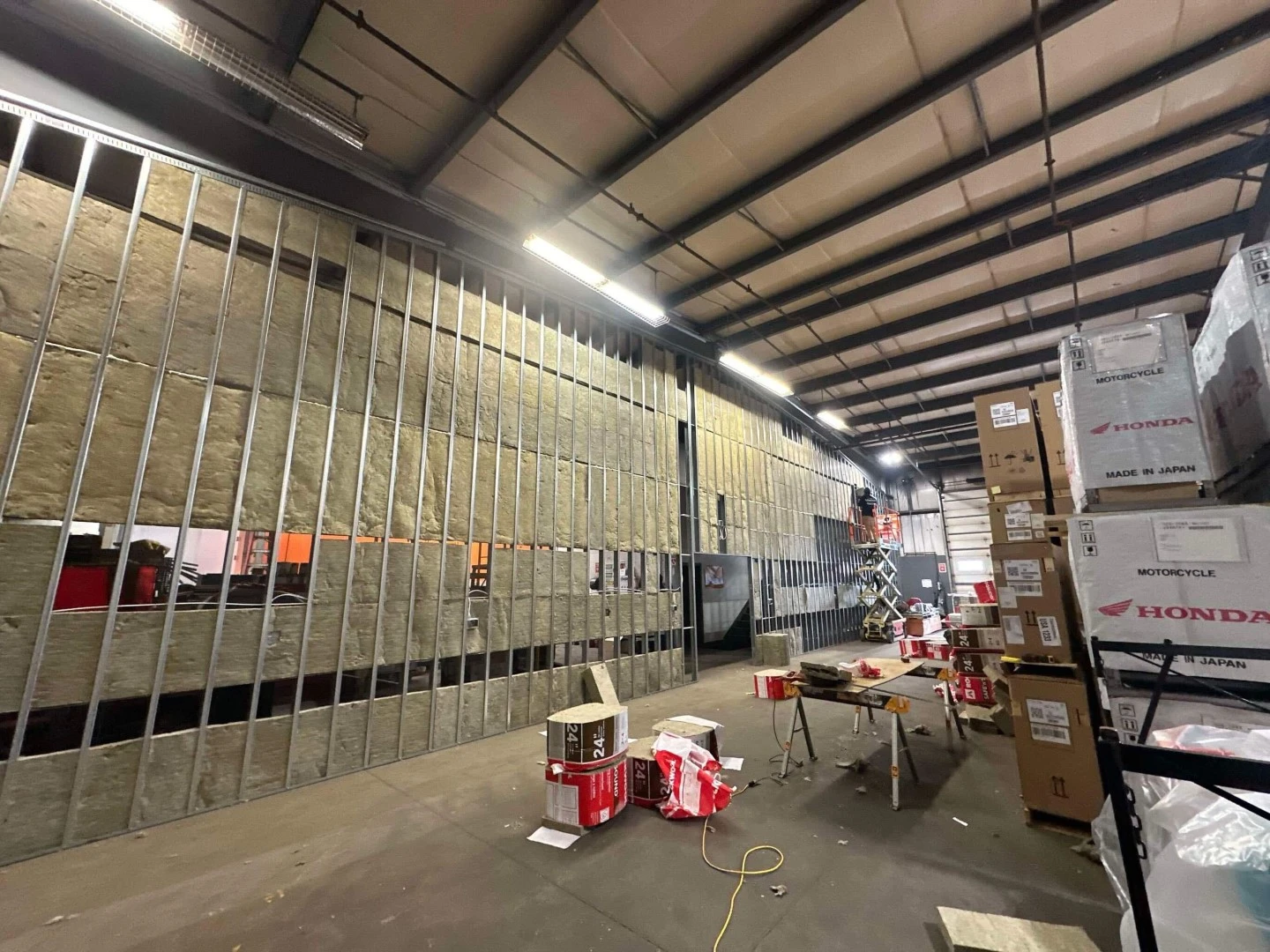
Mineral wool requires precise cutting with a serrated knife to fit around electrical boxes and plumbing pipes. Unlike softer foams or fiberglass that can be compressed, mineral wool must be cut to the exact size to function correctly.
- Requires specific protective gear due to fibers.
- Heavier bundles increase labor effort.
- Friction-fit requires standard stud spacing for best results.
Cost vs. Long-Term Value
The initial price tag for mineral wool is often higher than for standard batts, but the return comes in the form of avoided maintenance costs. By preventing rot and pest infestations, the insulation pays for itself by averting future structural repairs. For a “forever home” in Framingham, this upfront cost is often justified by the building envelope’s extended lifespan.
Conclusion
Mineral wool insulation serves as a guardian for buildings in Framingham, offering a robust defense against the specific threats posed by the New England environment. By effectively managing moisture, resisting fire, and deterring pests, it preserves the home’s wooden skeleton and prevents the slow degradation that compromises lesser materials. Property owners who prioritize the longevity and safety of their structure find that mineral wool provides a level of security and durability that standard insulation cannot match.
Taking the Next Step
For residents interested in protecting their investment, a professional assessment of the current building envelope is the most effective starting point. Experts can identify areas where moisture or heat loss threatens the structure and recommend appropriate solutions. Lamothe Spray Foam Insulation brings deep knowledge of building science and carpentry to every project, helping homeowners understand the best materials for their specific needs. They assist clients in creating durable, efficient homes that withstand the elements.
To discuss building protection strategies or schedule a site visit, interested parties can contact the team directly at (508) 847-0119. Alternatively, questions about services and estimates can be sent to [email protected]. Partnering with experienced professionals ensures the home remains safe and sound for generations.
Questions People Ask About Mineral Wool
Homeowners frequently have inquiries regarding the practical application and performance of rock-based insulation. Addressing these common concerns helps clarify why it is a preferred choice for durability.
Does mineral wool irritate the skin?
Yes, like fiberglass, mineral wool fibers can cause temporary itching and irritation during handling. Professional installers wear long sleeves, gloves, and respiratory protection to prevent contact. Once installed behind drywall, it poses no risk to occupants.
Is it soundproof?
Mineral wool is excellent for soundproofing due to its high density and fibrous structure. While its primary role in extending building life is structural protection, it also significantly reduces noise transfer between floors and rooms, improving quality of life.
Can rodents nest in mineral wool?
Rodents generally dislike mineral wool because it is abrasive and difficult to burrow through compared to fluffy fiberglass or cellulose. While no insulation is completely rodent-proof, mineral wool is a strong deterrent that helps keep pests out of the walls.
Does it require a vapor barrier?
In the Massachusetts climate, a vapor retarder is often required on the warm side of the insulation (interior) to manage moisture drive. However, because mineral wool does not have a kraft paper facing, builders typically apply a separate smart membrane over the studs.
How long does mineral wool last?
When undisturbed, mineral wool insulation lasts for the lifetime of the building. It does not decompose, shrink, or lose its thermal efficiency over time, making it a permanent solution for the structure.
Author: With over two decades of hands-on experience, Robert Lamothe, owner and lead installer of Lamothe Insulation, brings unparalleled expertise in spray foam insulation, carpentry, and building science. Since 2002, he has earned a reputation for precision, quality craftsmanship, and delivering energy-efficient solutions that stand the test of time. Lamothe Spray Foam Insulation is a family-owned and family-operated business, and Robert also owns the Goddard School of Auburn, an early childhood education school.
Reviewer: Ethan Taylor has 8 years of experience in spray foam insulation. He reviewed this content and suggested ways to simplify business outreach while maintaining trust and professionalism.